The Leap Second Is Going Away in 2027
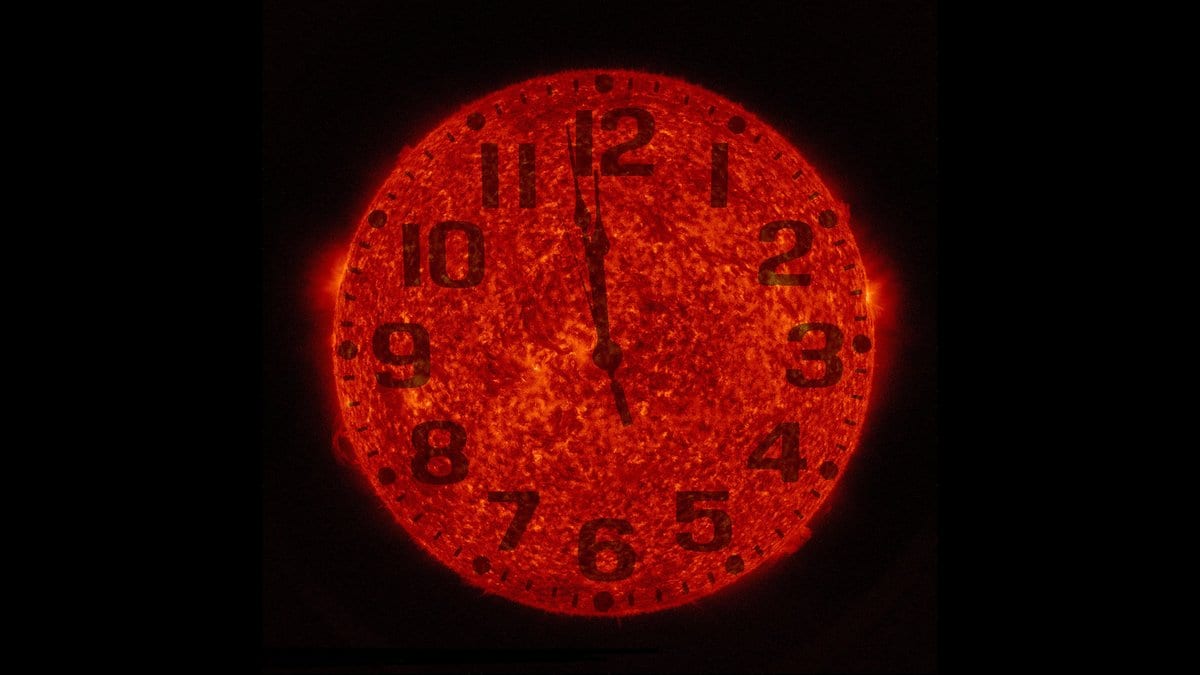
The body that defines the world's civil time has decided to stop adding leap seconds to it. The General Conference on Weights and Measures adopted Resolution 5, which makes continuous UTC effective on May 20, 2027.
The conference cites infrastructure needs as the reason for the decision. The resolution says that transportation, energy distribution, telecommunications and space projects need UTC to run without future adjustment, and that some operational software has to be designed around a fixed limit. It sets that limit at 3,600 seconds, or one hour. That is how far UTC may drift from UT1, the clock set by Earth's rotation, before any correction is made. The conference says the figure keeps UTC continuous for several centuries.
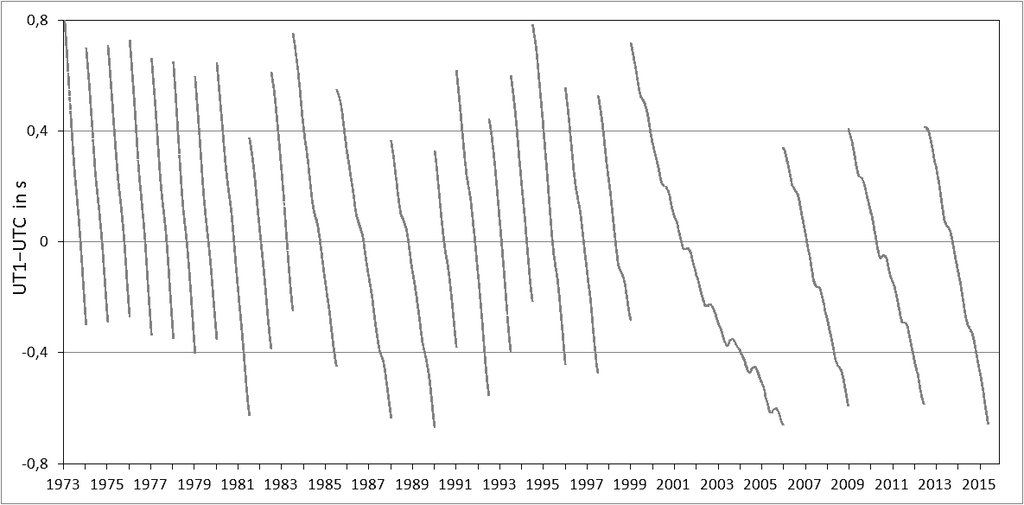
What the decision avoids is a correction nobody has ever made. Leap seconds have only ever been added. A negative leap second, a second taken out rather than put in, has never been applied. The resolution cites a March 2025 workshop organized by the Consultative Committee for Time and Frequency and the IERS, which monitors Earth's rotation. That workshop put the probability of needing one by 2035 at 30%.
The text records that a negative leap second is considered a high risk to critical systems that are largely unprepared. It adds that getting ready for it would require investment on the scale of what the same industries spent on the millennium bug.
The conference took the first half of this decision in 2022, when it resolved that the maximum difference would be raised and asked its international committee to write the text adopted now.
Radio time signals get a transition period. The resolution notes that an International Telecommunication Union rule allows the larger difference to be sent by radio until 2035, and no later than 2040, where existing equipment cannot be replaced earlier.