Restoration Is Moving on Land and Lagging in Water, UN Assessment Finds
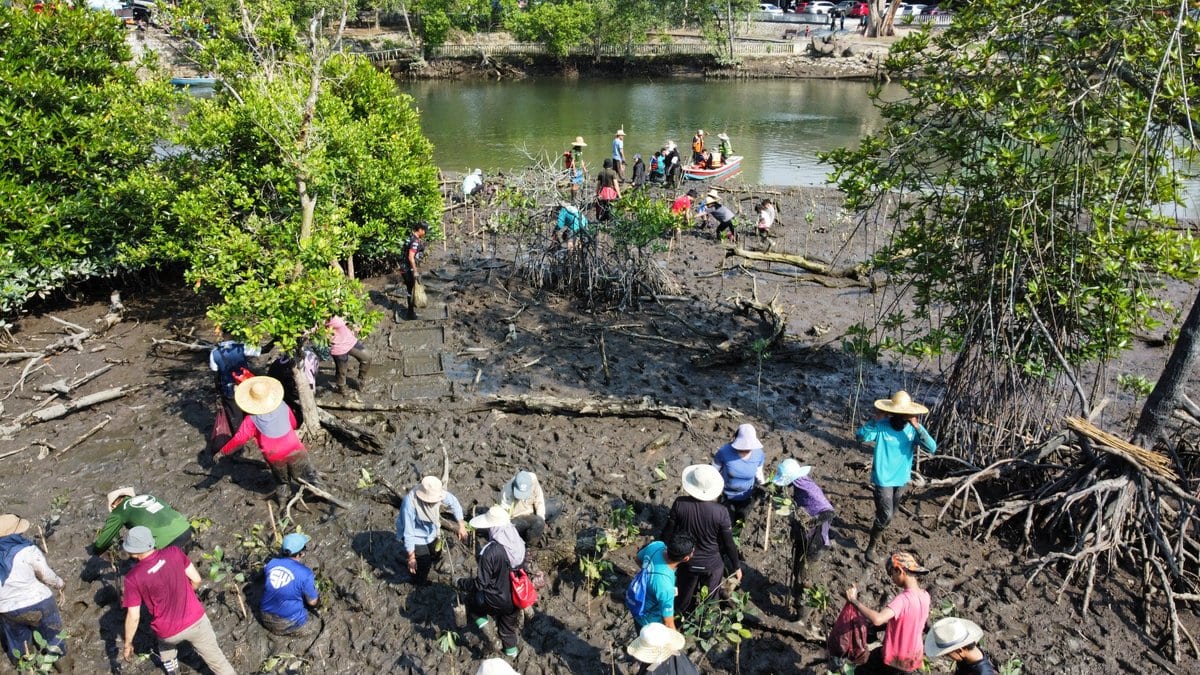
The Food and Agriculture Organization, the UN Environment Programme and the Secretariat of the Convention on Biological Diversity published a joint assessment Oct. 29, 2026, that counts 252 million hectares across 149 countries as under restoration, along with more than one million green jobs. The three bodies call that the largest documented global restoration effort so far.
The agencies describe the report as the first comprehensive global assessment of progress against commitments to restore around one billion hectares. It also tracks the Kunming-Montreal Global Biodiversity Framework target of putting 30% of degraded land, freshwater, marine and coastal ecosystems under effective restoration by 2030, and it arrives midway through the UN Decade on Ecosystem Restoration.
Almost all of the counted area is on land. The report puts restoration of land ecosystems at nearly half of that 30% target. Freshwater, marine and coastal ecosystems, which it says are degrading fastest, account for very little of the total: 11 million hectares of freshwater and 5.7 million hectares of marine and coastal area. It cautions that limited reporting on aquatic restoration may mean those two figures are underestimates.
Annual restoration finance needed by 2030, the report says, comes to US$296 billion, against US$64 billion today.
The next phase of the decade, the report argues, must move beyond individual projects toward what it calls restoration economies, able to sustain ecological recovery and livelihoods at scale.
"Yet, at the halfway point of the UN Decade on Ecosystem Restoration, we are still not restoring nature at the scale or speed required," said Inger Andersen, executive director of UNEP. The report was launched at the UN Biodiversity Conference in Yerevan.
The figures were compiled from government-endorsed data submitted through global reporting processes and from data that restoration initiatives reported to FAO's Framework for Ecosystem Restoration Monitoring.