Sheep Virus DNA Found in the Pages of Medieval Manuscripts
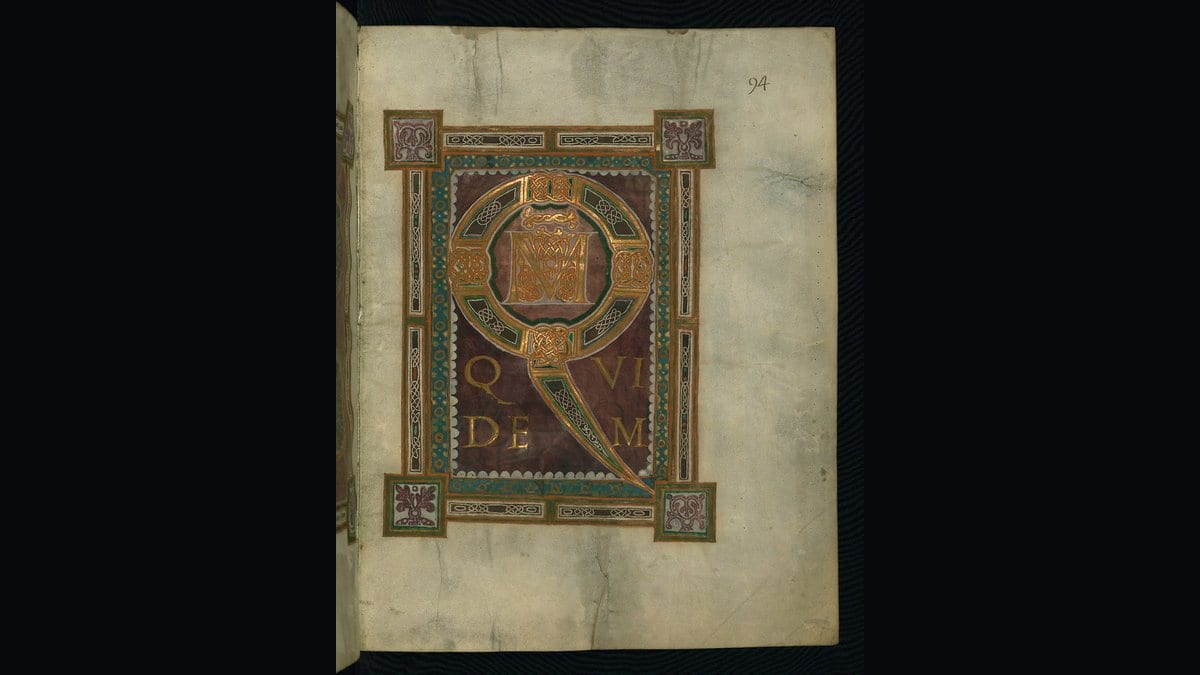
A team led from University College Dublin has sequenced 21 ancient genomes of sheeppox virus, a disease of sheep, several of them recovered from medieval parchment, the animal skin that manuscripts were written on. The paper was published on September 2 in Science Advances.
The genomes run from the Eurasian steppe Bronze Age, about 1700 BCE, to the Early Modern period in Western Europe, and include "multiple genomes obtained from medieval parchment," the authors write. They describe sheeppox virus as "a major livestock pathogen causing economic hardship through reduced production and death of vulnerable sheep."
From the 21 genomes, the team dated the wider virus family. "We estimate that major capripoxvirus lineages diverged ~11,500 to 3700 years ago," the authors write, an inference drawn from the genomes rather than a measured date. Capripoxviruses include sheeppox, goatpox and lumpy skin disease of cattle. The paper says that window overlaps known movements of sheep and developments in how they were raised.
The dataset supports sheeppox virus diverging first within the lineage leading to goatpox virus and lumpy skin disease virus, according to the paper, and gene inactivation events already known in sheeppox and goatpox appear in the team's earliest genomes.
The authors conclude that "the food security of Eurasian communities has been threatened by sheeppox for more than 3700 years."
The paper lists 36 authors, with Louis L'Hôte of University College Dublin as first author and Kevin G. Daly, also at UCD, as senior author. It runs in Science Advances volume 12, issue 36, under DOI 10.1126/sciadv.aeh3571.
Sources
- Science AdvancesPeer-reviewed