Ancient DNA Shows the American Cheetah Was No Cheetah at All
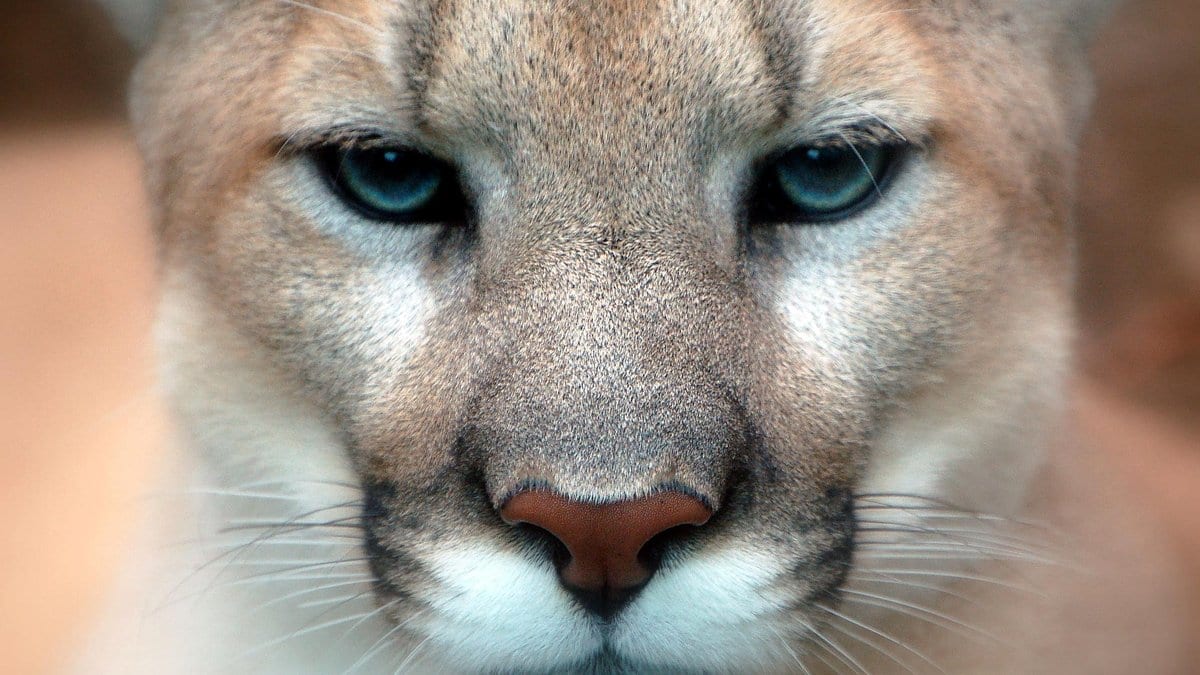
Researchers at the University of California, Santa Cruz, have sequenced nuclear paleogenomes from two fossils of Miracinonyx trumani (the extinct animal long called the American cheetah) and found it was a close relative of the puma, not the African cheetah. The paper, published Sept. 4 in Current Biology, places the divergence at roughly 2.6 million years ago and attributes the cheetah-like body shape to convergent evolution rather than common ancestry.
The work also overturns assumptions about where the animal lived and what it ate. Specimens from the Yukon, dating to about 31,000 years ago, extend the species' known range by over 20 degrees of latitude into the Arctic, well beyond what the fossil record had previously suggested, the authors report. Stable isotope analysis of that northern population puts it at an elevated trophic position consistent with eating anadromous fish such as salmon, while a Wyoming population dated to about 23,000 years ago showed the diet of a generalist terrestrial predator.
Lead author Molly Cassatt-Johnstone, a PhD candidate in UC Santa Cruz's Paleogenomics Lab, said the cats showed genetic traces of their polar lifestyle: "We found loss-of-function mutations in certain genes that regulate circadian rhythms, suggesting they may have adapted to the extreme light cycles of summers and winters in northern latitudes."
The genomes also showed low genetic diversity in both populations. Senior author Beth Shapiro, a professor at UC Santa Cruz, said the pattern did not resemble a sudden crash. "The decline was slow, not sudden, and that may be what left it unable to adapt when the climate shifted," she said.
Co-author Matthew Wooller of the University of Alaska Fairbanks described the ecological split as striking: "They're demonstrating uber-specialization at two ends of their range, while also feeding on two completely different food sources."
Sources
- Current BiologyPeer-reviewed