A Met Office Pilot Names the Species a Warm Spring Moves First
The Met Office on Oct. 5 named the eight trees, butterflies and flowers whose spring timing in southeast England shifts most as temperatures rise, the first results of a pilot it runs with the Woodland Trust in the New Forest and South Downs national parks.
According to the Met Office's release, plants, insects and birds evolved to keep their seasonal timings in step. When spring arrives earlier for some species but not others, that match can break down. Insects may appear before birds need them for their chicks, or flowers before their pollinators are active. The agency says the pilot is meant to give the parks evidence they can use in conservation and land management.
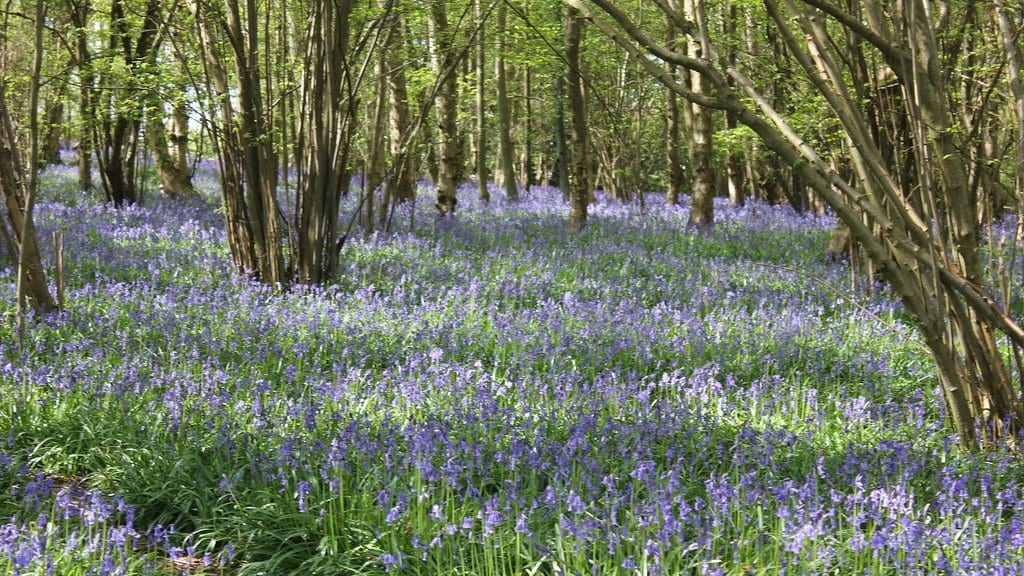
The pilot, Nature's Changing Seasons in National Parks, identified 24 priority species and picked out those most sensitive to warm spring temperatures. They are blackthorn, horse chestnut, silver birch and oak; the brimstone, peacock and holly blue butterflies; and the bluebell. The Met Office said its initial results show those species already emerging earlier in warmer years.
The project also modeled what further warming would do. The Met Office said a further 1°C could bring the holly blue butterfly out around seven days earlier than its current average, and 2°C around 14 days earlier. Across all the species analyzed, it put the shift at 9 to 19 days for 2°C of additional warming. Those are the pilot's own estimates and have not been through peer review.
The records behind the work come from the public. Volunteers log them through the Woodland Trust's Nature's Calendar platform: when trees come into leaf, when flowers bloom, when insects emerge and when birds arrive. The observations were combined with Met Office temperature records and local expertise from the parks.
Jessica Stacey, a senior climate scientist at the Met Office, said the approach could be scaled across protected landscapes throughout the UK with further investment. The pilot's funders are The Estée Lauder Companies UK & Ireland and the South Downs National Park Authority.