Rubber and Oil Palm Plots Hold Far Fewer Species Than the Sumatran Forest They Replaced
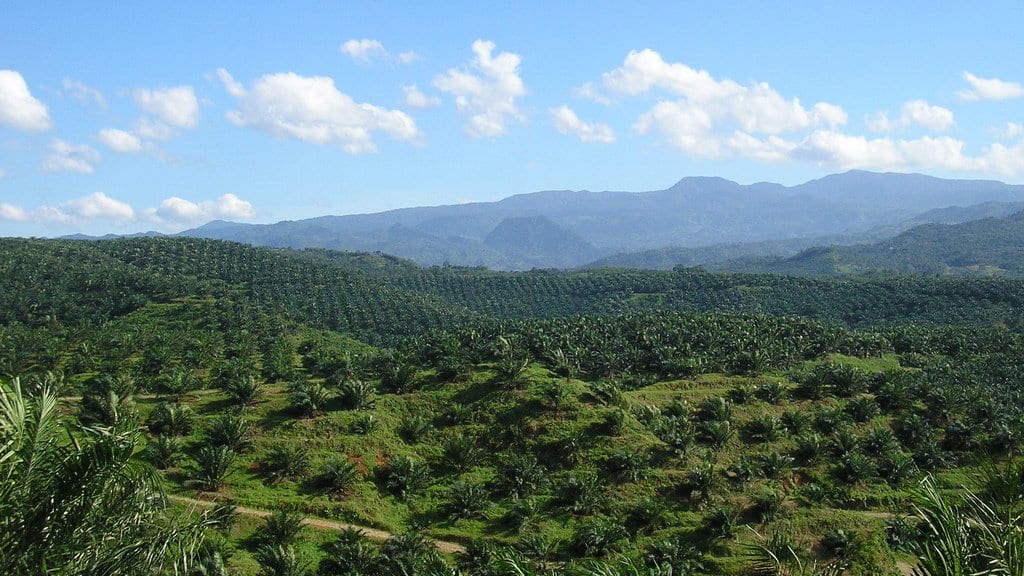
A survey of 24 groups of organisms, from trees and bats to soil bacteria, has measured what survives when Sumatran lowland rainforest is turned into a rubber or oil palm plot. Writing in Nature on Nov. 18, 2026, a team led from the University of Göttingen, with co-authors at IPB University in Bogor, Indonesia, reports that diversity pooled across a whole landscape was about 78% lower in smallholder plantations than in forest, and that diversity within a single plot was roughly halved.
The authors say most assessments of tropical farmland count species plot by plot, which misses how land use rearranges them across a landscape. They had expected the surviving communities to become more alike, a pattern ecologists call biotic homogenization, and found no consistent sign of it. Instead, in the plantation plots, a species-poor site tended to hold a subset of what a species-rich site held rather than a different set of species, a shift recorded for the groups living above the ground.
The paper covers 40,049 species across 32 plots in Jambi Province, Sumatra, and reports that 15% of them were recorded only in forest, with trees and understory plants among the most forest-bound groups. Not every group lost ground — soil bacteria gained species in all three farmed land uses, which the authors say may follow from liming and fertilizing that raise the soil's pH.
Jungle rubber, a traditional agroforest in which rubber trees are planted inside secondary forest, sat between the two: its landscape diversity was a fifth below the forest figure. The authors call the region's remaining forests and these older agroforests "irreplaceable reservoirs of biodiversity," and say the results open management options, among them conserving what is left of traditional agriculture.
The sites were selected in 2012, and every farmed plot belongs to a smallholder; the authors note that the region's larger industrial plantations, which receive far more herbicide and fertilizer, were not sampled. The analysis data and code are in a public Figshare repository, and the paper is open access.
Sources
- NaturePeer-reviewed