Young Emperor Penguins Cross Krill Fishing Grounds in Their First Year at Sea
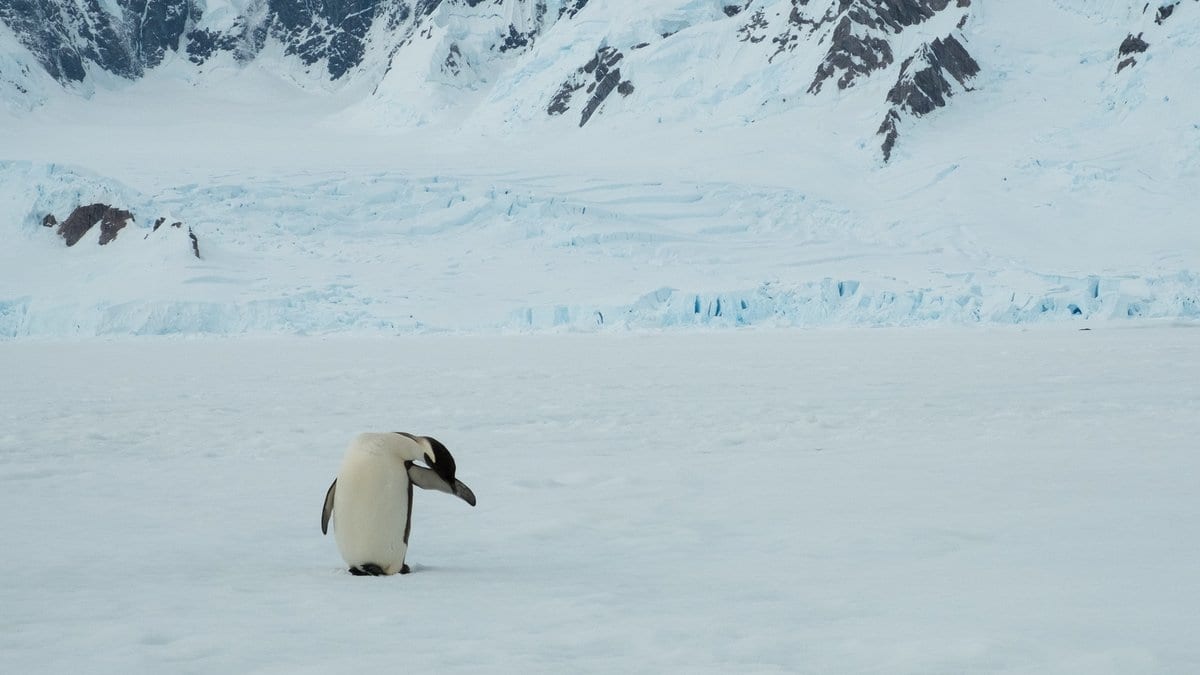
Woods Hole Oceanographic Institution reported Nov. 17, 2026, that satellite tags on 48 juvenile emperor penguins recorded birds from three colonies in Antarctica's Weddell Sea taking almost the same route across the Southern Ocean in their first year at sea. Parts of that route cross waters where industrial krill fishing takes place.
Daniel Zitterbart, a WHOI associate scientist and co-lead author, said Antarctic marine protected areas are mostly planned around breeding colonies, which protects adults but leaves out the open ocean where juveniles spend their first years. "Our research shows these areas are predictable and used year after year, so their protection will remain relevant in the future," he added.
The work, published in Biological Conservation, was co-led by France's CNRS, the Centre Scientifique de Monaco and WHOI. The institution's release says the Snow Hill Island and Jason Peninsula juveniles had never been tracked before, and that their tags added to three years of tracking at Atka Bay. The birds head north in March to the Polar Front, then follow the sea ice south and north again before returning to the continent as it melts.
Émile Brisson-Curadeau, the study's first author and a researcher at the Centre for Functional and Evolutionary Ecology, said that despite journeys of more than 1,500 kilometers, "penguins from different colonies and in different years showed very similar movement patterns."
According to the release, the team also compared the tracks with fishing records from 2018 to 2024 and with the boundaries of proposed marine protected areas. Juveniles from Atka Bay spent 32% of their time over the year inside the proposed areas, against 21% for Snow Hill Island birds and 15% for those from Jason Peninsula. The Jason Peninsula birds spent more than 60% of their time in recently fished zones during February and March. The shares record where the birds were and where fishing had taken place, not a measured effect on the penguins.
The release says most fishing in the region is for Antarctic krill, which emperor penguins eat, and was heaviest near the Antarctic Peninsula and South Georgia.
Sources
- www.whoi.edu
- Biological ConservationPeer-reviewed