Legumes Supply the Nitrogen That Keeps Tibet's Warming Grasslands Storing Carbon
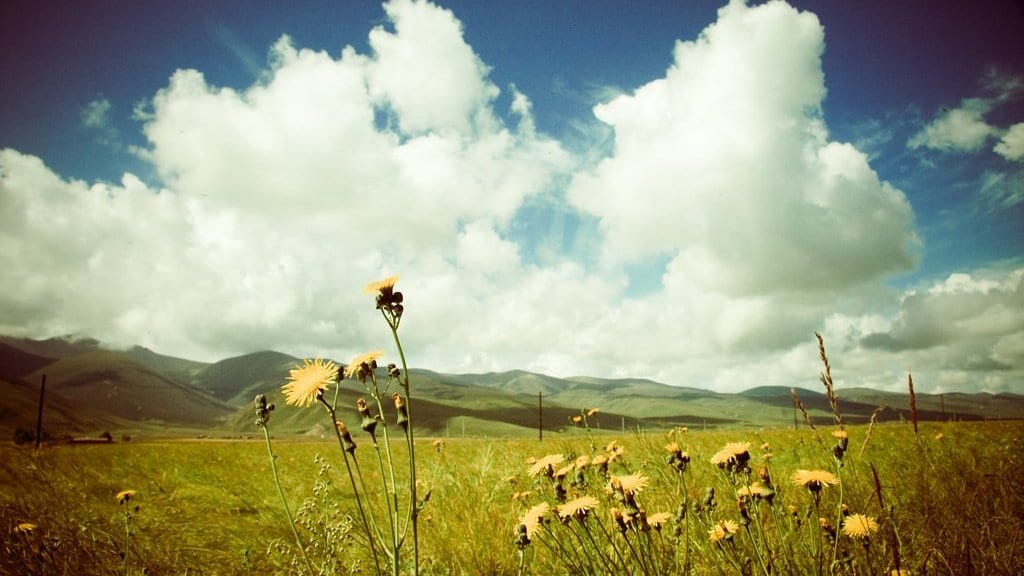
A team led from the Institute of Tibetan Plateau Research at the Chinese Academy of Sciences has measured how much nitrogen legumes add to the grasslands of the Tibetan Plateau's alpine permafrost region, and reports that, in simulations run without that nitrogen, the grasslands stop absorbing carbon and start releasing it.
The work, published Oct. 18, 2026 in Communications Earth & Environment, addresses what the authors call a poorly understood consequence of warming: the plateau's plant cover is expected to shift as temperatures rise, and the effect of those shifts on the supply of reactive nitrogen, the forms that plants can use, had not been quantified across the region.
The team collected 1,047 plant samples from 323 plots across the plateau and used nitrogen-15 natural abundance, an isotope technique, to quantify legume and non-legume nitrogen sources. The nitrogen that legumes fix above ground is tightly linked to how much legume biomass is present there, ranges from 0 to 7.43 grams of nitrogen per square meter a year, and peaks at elevations of 3,600 to 4,000 meters.
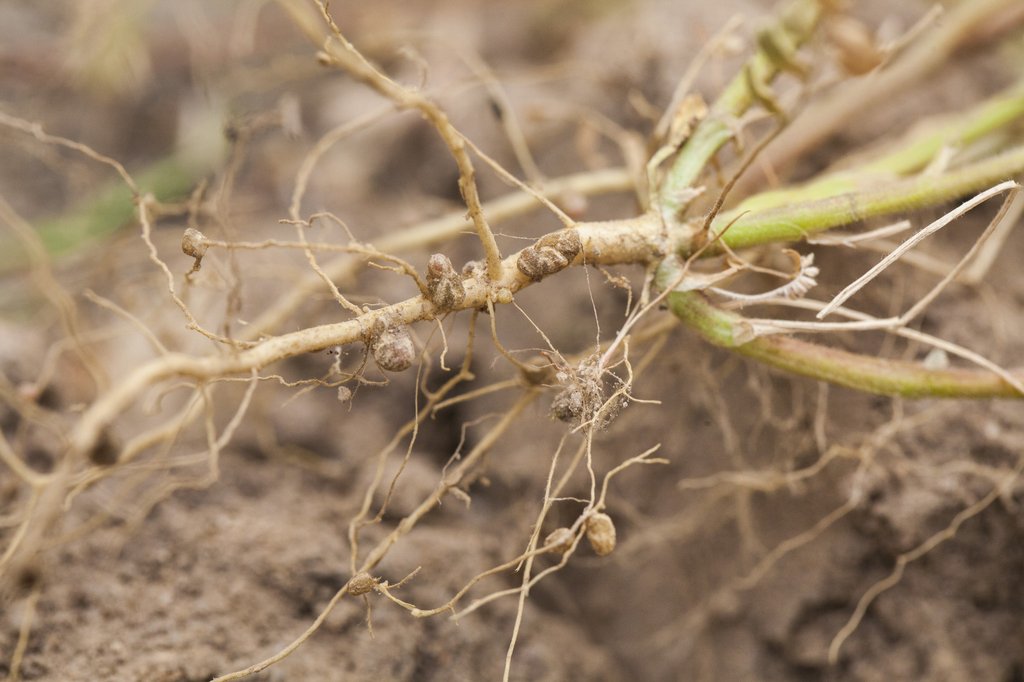
The paper reports that at the regional scale, the areas where that nitrogen input is highest largely coincide with the areas where aboveground biomass and plant nitrogen density have gained over recent decades.
The sink-to-source result is a model outcome rather than an observation. In the team's process-based simulations, removing the legume nitrogen source leaves the ecosystems severely nitrogen-limited and shifts them from a carbon sink to a source. The authors describe their findings as highlighting the role legumes play in sustaining carbon sinks in Tibetan Plateau permafrost ecosystems.
The journal is publishing the accepted manuscript early, ahead of the final version of record. The paper is open access under a Creative Commons license that permits non-commercial reuse with credit and does not allow adapted versions to be shared.
Sources
- Communications Earth & EnvironmentPeer-reviewed