Rare Beetle Is Still Breeding at Its Only Site in Wales, Surveyors Find
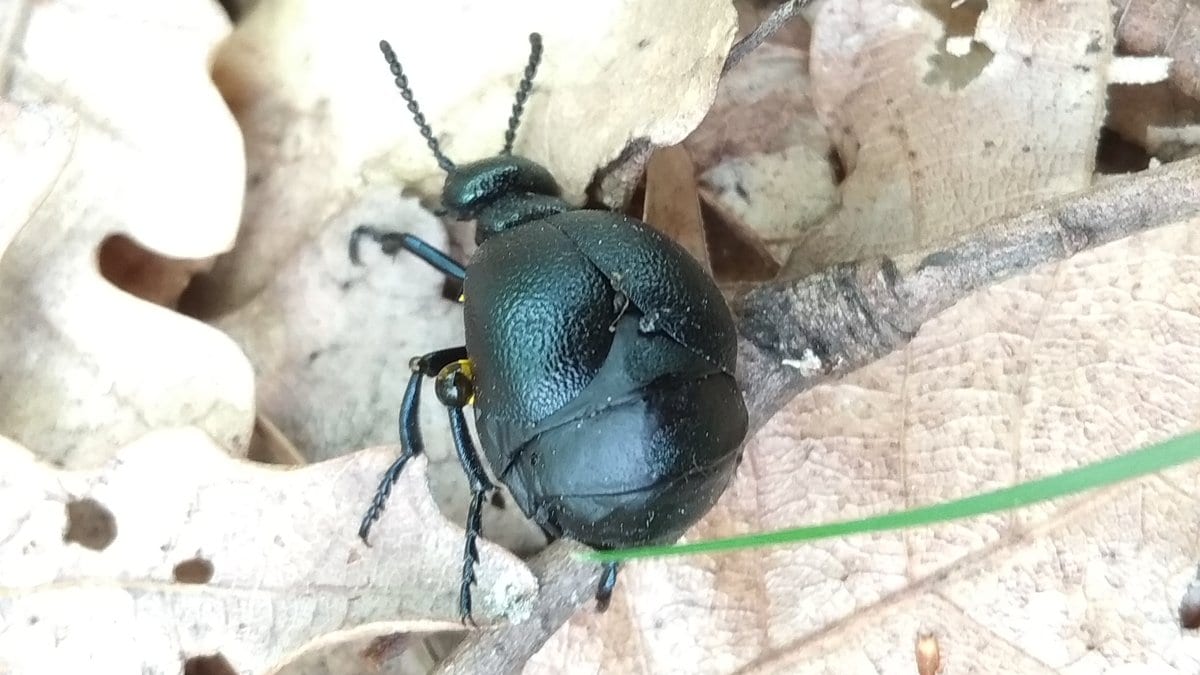
Natural Resources Wales said on Oct. 28, 2026, that surveyors had found larvae of the short-necked oil beetle at Castlemartin Range in Pembrokeshire, after three years of searching, and that the range is the only place in Wales where the species can be found.
Surveys in 2022 and 2025 found only dead adults of the beetle at Castlemartin. Natural Resources Wales notes that raised concerns about the species' future on the site, and that the larvae are evidence it is breeding there again.
The release says the number and spread of the larvae, and the time of year they appeared, suggested the surveyors had found some of the hatchlings from a larger batch. The surveys were run by the Bumblebee Conservation Trust as part of its Shrill Carder Bee project, which is funded by The National Lottery Heritage Fund under the Welsh species recovery program Natur am Byth.
The beetle, Meloe brevicollis, depends on solitary bees for its whole life cycle. Newly hatched larvae climb onto nearby flowers, attach themselves to visiting bees and ride to the bees' nests, where they feed on the pollen the bees collect until they grow into adults. The species needs bare earth for egg laying, thick vegetation for shelter and dense flower cover to reproduce, and only a handful of sites in the UK offer those conditions.
Anna Hobbs, project delivery officer for the Bumblebee Conservation Trust, reported in the release: "It was very exciting to find this species and evidence of its breeding again, especially considering it will be the last survey for the species for our project." She credited partners and volunteers with persevering through two years without larval sightings.
The project also covers the shrill carder bee itself, Goldilocks aster and pale dog violet, species that share similar habitat.