Four Types of Fast-Building Heat Wave, and Some Are Easier to Forecast
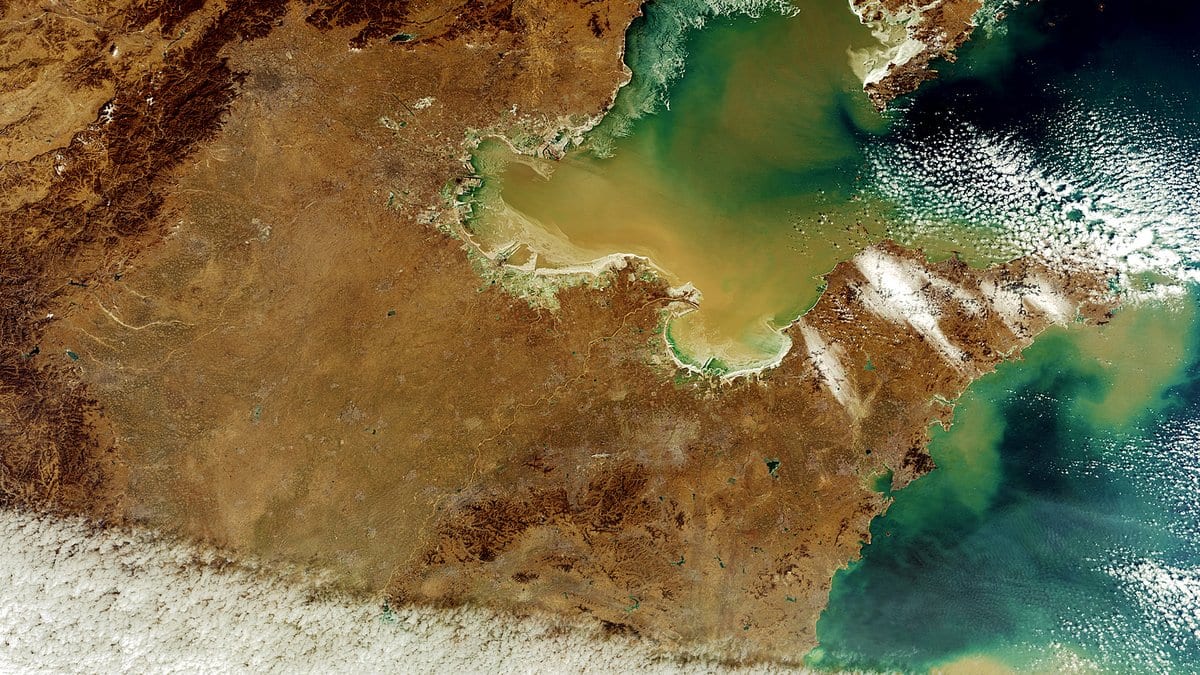
A team at the Chinese Academy of Sciences has counted the heat waves that build fastest over North China and sorted them into four kinds, each tied to a different pattern in the atmosphere. The work, published Nov. 1, 2026, also finds that some of those kinds are easier to forecast than others.
Forecast skill follows the type, according to Tao Zhu of the Institute of Atmospheric Physics and colleagues. In prediction systems that look weeks rather than days ahead, events driven mainly by variability in the tropics are the most predictable, while events linked to two chains of highs and lows outside the tropics have the lowest skill. The authors write that their results "provide a physical basis for improving subseasonal prediction of high-impact heat extremes."
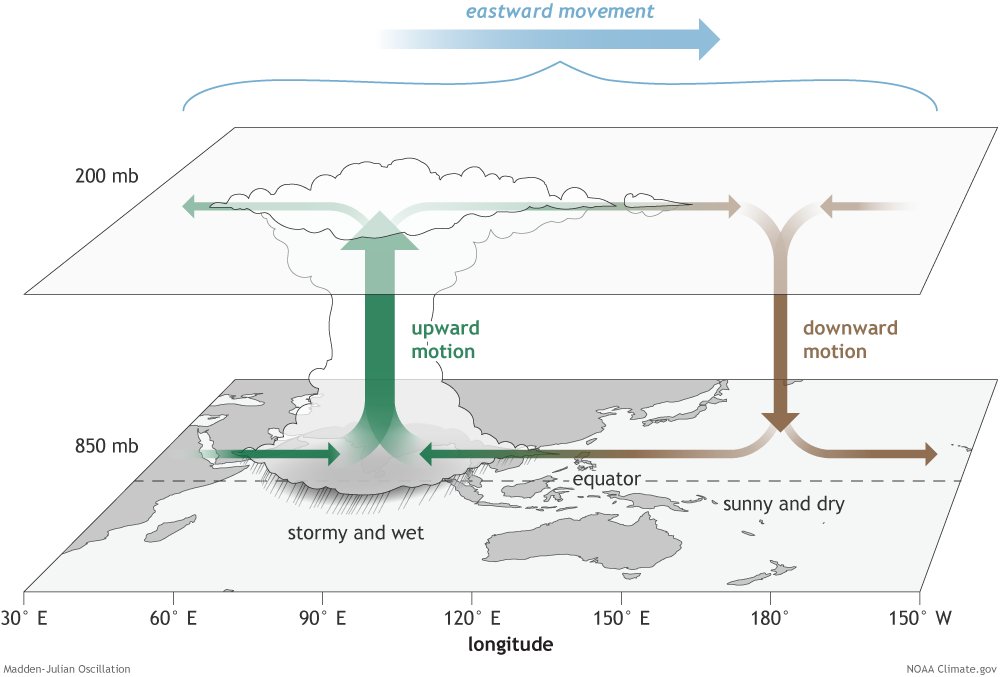
In Communications Earth & Environment, Zhu and colleagues state: "Here we identify 107 such events over North China during the summers of 1940 to 2024 and classify them into four spatial types." They describe such events as starting abruptly, leaving little time to prepare, and posing disproportionate risks to public health, agriculture and regional economies.
The paper reports that the rapid warming comes from different combinations of warm air carried in horizontally and air that sinks and heats as it is compressed. Those types match distinct circulation patterns involving storm activity over the tropics, chains of highs and lows at middle and high latitudes, or the two interfering with each other.
The version now on the journal's site is the author-accepted text, which is being publishing early, after peer review and with a permanent DOI, ahead of the final edited version. It is open access. Co-authors are at Beijing Normal University, Nanjing University of Information Science and Technology, the Max Planck Institute for Meteorology, the National Climate Center of the China Meteorological Administration and the Fujian Provincial Climate Center. The study was funded by the National Key R&D Program of China and the National Natural Science Foundation of China.
Sources
- Communications Earth & EnvironmentPeer-reviewed