Galapagos Sea Lions and Fur Seals May Not Be Competing for Food After All
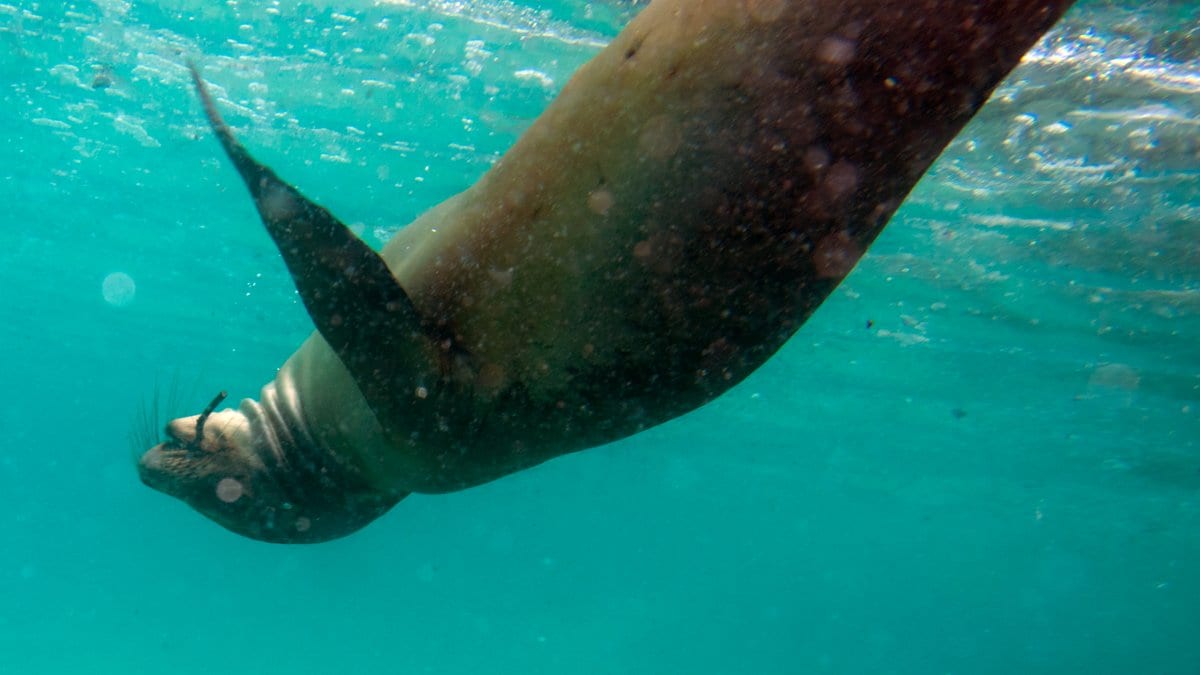
The Galapagos sea lion and the Galapagos fur seal do eat different prey, but competition between the two species does not appear to be why, according to a paper published Oct. 31, 2026, in Scientific Reports. Diego O. Urquía and Diego Páez-Rosas, both of the Galapagos Science Center at Universidad San Francisco de Quito, and colleagues compared the diets of the two endangered animals from the DNA of the prey they had eaten.
The new paper calls competition between species a key process shaping where species live and how diverse a community is. Earlier studies had reported that the two Galapagos animals eat differently and proposed niche partitioning (each one taking a different share of the prey) as what lets them share the same waters. Those studies did not identify prey down to the species level, and did not compare diets where the two species live together against places where only one of them does.
The team used DNA metabarcoding, which names prey species from DNA fragments, on samples from 22 to 50 sea lions, depending on the setting, and 12 fur seals. The five settings covered places where the two animals live side by side and places where only one of them is found, in several regions of the archipelago.
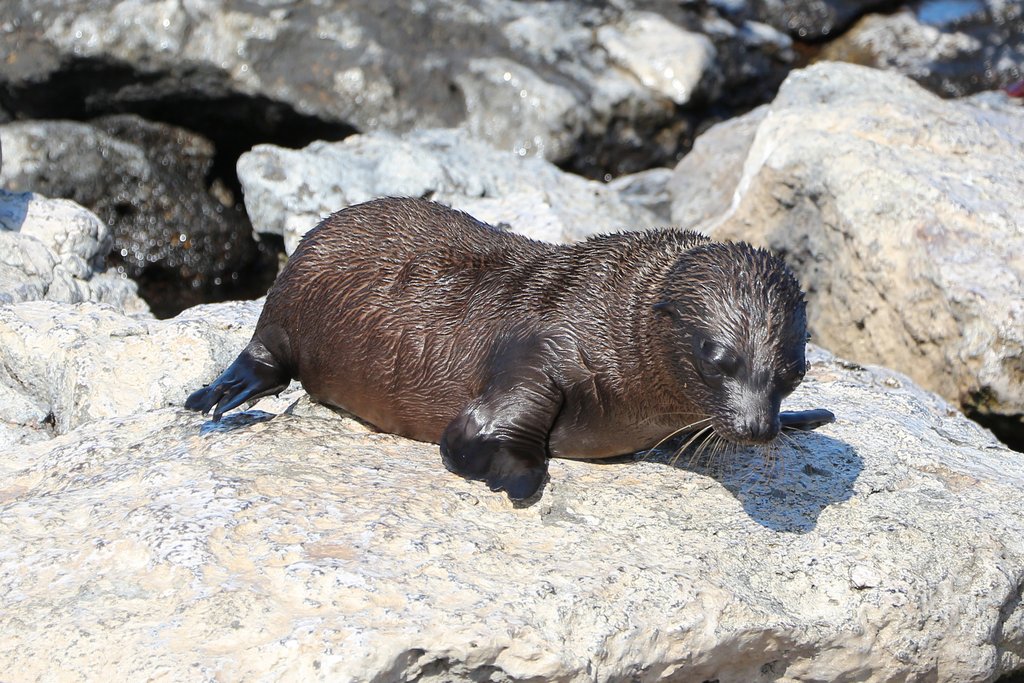
The diets did differ. But the authors report "little evidence that these differences arise from interspecific competition": sea lions living where no fur seals were present did not take up the prey that fur seals ate where the two overlapped, and sea lion diets stayed diverse and much the same from setting to setting whether fur seals were there or not.
The authors conclude that spatial variation in the archipelago's ocean conditions, rather than competition, better explains the diets of both species.
The Galapagos National Park Directorate granted the research permits, and the work was funded by Universidad San Francisco de Quito and Galapagos Conservancy. Co-authors are at the University of Tartu, the University of Jyväskylä, Technische Universität Braunschweig and the University of North Carolina at Chapel Hill.
Sources
- Scientific ReportsPeer-reviewed