Seagrass Meadows Bury Much Less Carbon Than Earlier Estimates Suggested
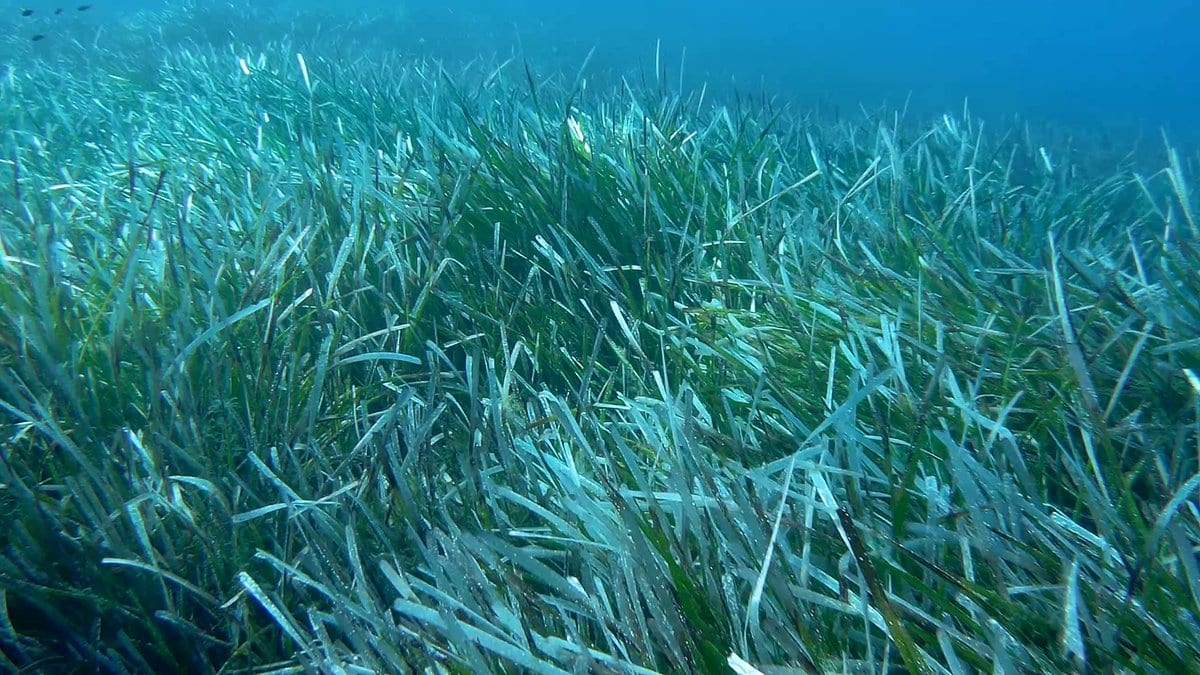
A study published Nov. 4, 2026, in Nature Communications puts the rate at which seagrass meadows bury organic carbon at 25 ± 3 grams per square meter per year, about a quarter of the figure earlier estimates had given. Its authors reached that number from a synthesis of 332 dated sediment cores spanning the last century.
What changed is the estimate rather than the meadows: the paper re-measures a rate across a century of sediment instead of tracking a decline in it. The authors say the global rate had stayed uncertain because early estimates came from mixed methods applied to datasets biased by geography and species, and they call seagrass burial crucial for coastal carbon storage.
Ariane Arias-Ortiz of the Universitat Autonoma de Barcelona, Pere Masqué of Edith Cowan University and colleagues dated cores taken from seagrass meadows worldwide. Scaling that rate across a revised map of how much seafloor seagrass covers, they put global burial at 6 million to 15 million metric tons of carbon a year.
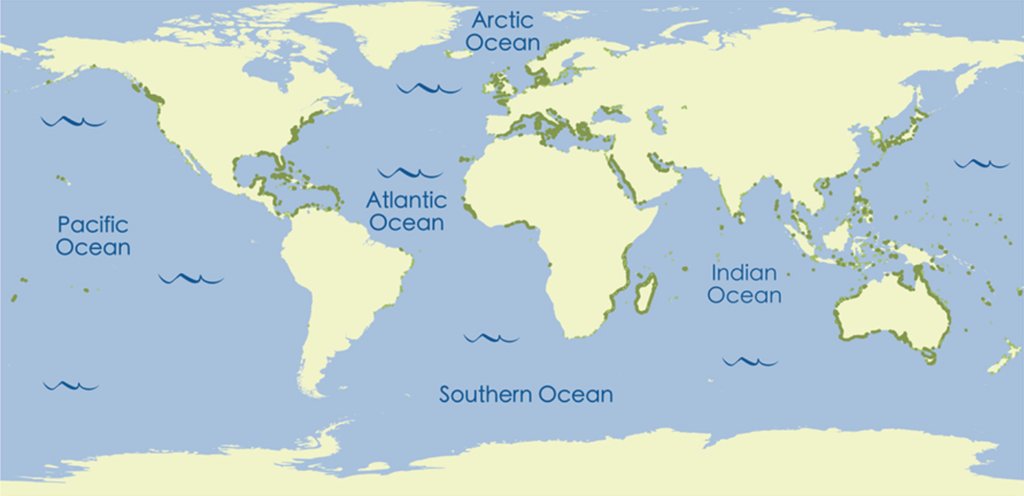
The researchers report that seagrass still accounts for 3% to 6% of all the organic carbon buried in the ocean while covering less than 0.1% of the seafloor, and they describe the rates as globally significant.
The paper also notes what sets a meadow's rate. How much organic carbon the sediment holds and how fast that sediment builds up pull against each other: sediment that builds faster carries more mineral material, which dilutes the carbon in it.
Nature Communications is publishing the study as an early citable version of the accepted paper, which will be replaced by the final version. The paper is open access, and its authors list funding from Spanish and European Union research programs, among others.
Sources
- Nature CommunicationsPeer-reviewed