A Megacity's Fine-Particle Pollution Zone Is Five Times the City Itself
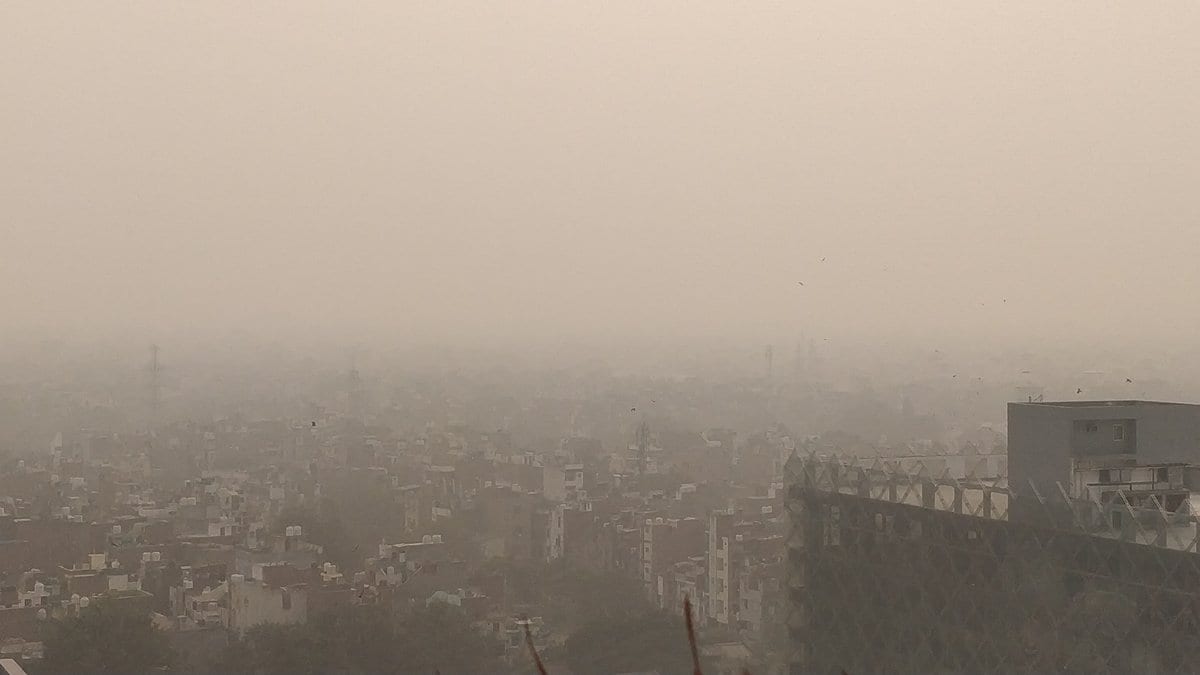
Researchers at the University of Notre Dame have mapped, for 53 of the world's megacities, the area that supplies the fine particles people there breathe, and they report it is a median of five times the size of the city's own municipal region.
What the map changes is whose exposure gets counted. The study, published Nov. 7, 2026, in Communications Earth & Environment, says urban air quality is usually assessed inside municipal boundaries, even though the air carries pollution well past city limits. The authors report that across the cities they examined, approximately 44% of the exposed population lives outside those boundaries, roughly 400 million people.
The team calls the wider area an airshed: the surrounding region whose air reaches the city. Their framework combines satellite-derived pollution estimates, meteorological data and geographic information to draw one around each megacity. It is drawn for fine particulate matter, which the paper defines as particles no larger than 2.5 micrometers in diameter.
The paper was authored by Wenxu Liao and Paola Crippa of Notre Dame's civil and environmental engineering and earth sciences department, with Richard Marcantonio of the university's Kroc Institute for International Peace Studies. They write that the result reveals a potential mismatch between administrative definitions and the wider area where people are exposed, and that accounting for pollution that crosses boundaries highlights a need for management across jurisdictions rather than city by city.
The paper is open access. The version posted is the accepted manuscript, which the journal says will be replaced by the final version of record, and a transparent peer review file is published beside it. The work was supported by a Strategic Framework Grant at the university.
Sources
- Communications Earth & EnvironmentPeer-reviewed