Ethiopia's Giant Nile Dam Made Far Less Power Than Planned While It Filled
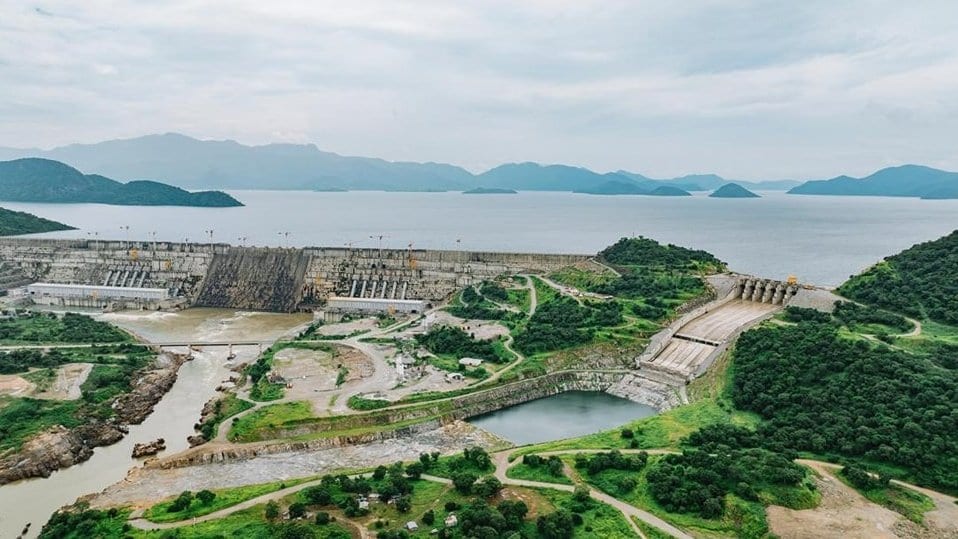
A team led by Yasir A. Mohamed of the IHE Delft Institute for Water Education, with co-authors at the University of Bonn and Sudan's Ministry of Agriculture and Irrigation, has reconstructed how the Grand Ethiopian Renaissance Dam filled its reservoir between 2020 and 2024. The authors report that the dam generated 3,000 gigawatt hours of electricity over that period, against 12,000 under the planned filling schedule, mainly because its turbines were commissioned late.
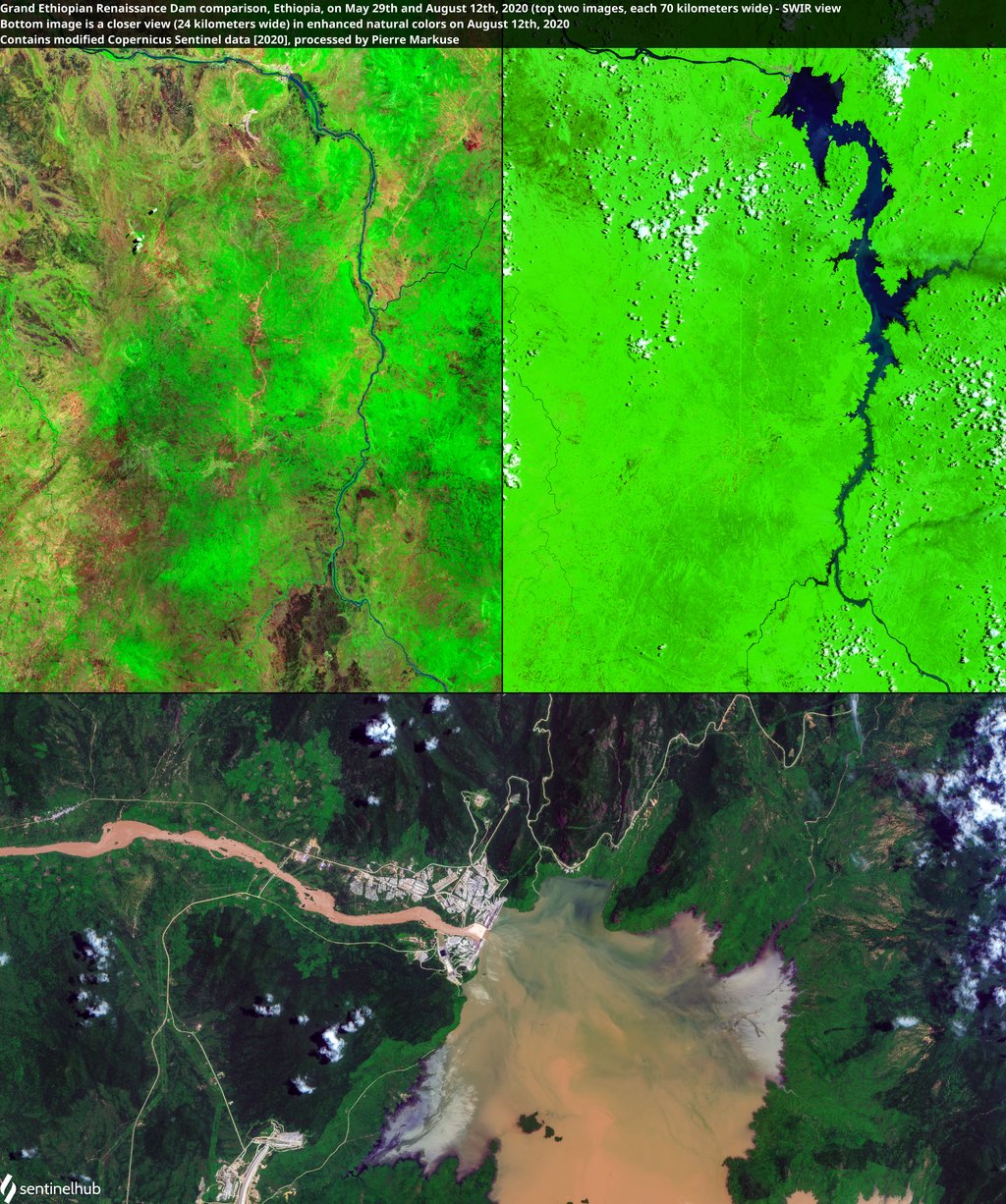
No operating data were exchanged between the countries on the river, so the group estimated inflows with a hydrological model, rebuilt the filling itself from satellite observations and assessed the downstream effects with a river basin simulation model. Writing in Communications Earth & Environment on Nov. 7, 2026, the authors present that combination as a way to reconstruct and evaluate how a shared reservoir is operated from public data, where no formal exchange of figures exists.
The authors write that the filling remains highly contentious, even though the reservoir reached 95% of its storage capacity by the end of the 2024–2025 hydrological year without major downstream impacts. Exceptionally wet years and mitigation measures largely avoided those impacts, according to the paper.
Downstream, the reconstruction found that hydropower generation rose slightly at the Roseires dam and stayed largely unchanged at Merowe, while floodplain agriculture in Sudan declined by 4 to 50%. High inflows and the mitigation measures kept levels high at the High Aswan Dam, with comparable hydropower generation.
The journal published the peer-reviewed accepted version of the paper early, ahead of its final version of record, and the article is open access. The authors report that the study received no specific funding and that they carried it out on a voluntary basis. They declare no competing interests and record that they previously worked for the Hydraulics Research Centre of Sudan, where they studied the dam's impacts on Sudan, or for Sudan's Dams Implementation Unit.
Sources
- Communications Earth & EnvironmentPeer-reviewed