Where Trawled Fish Goes Could Change Nutrition for Millions, a Model Finds
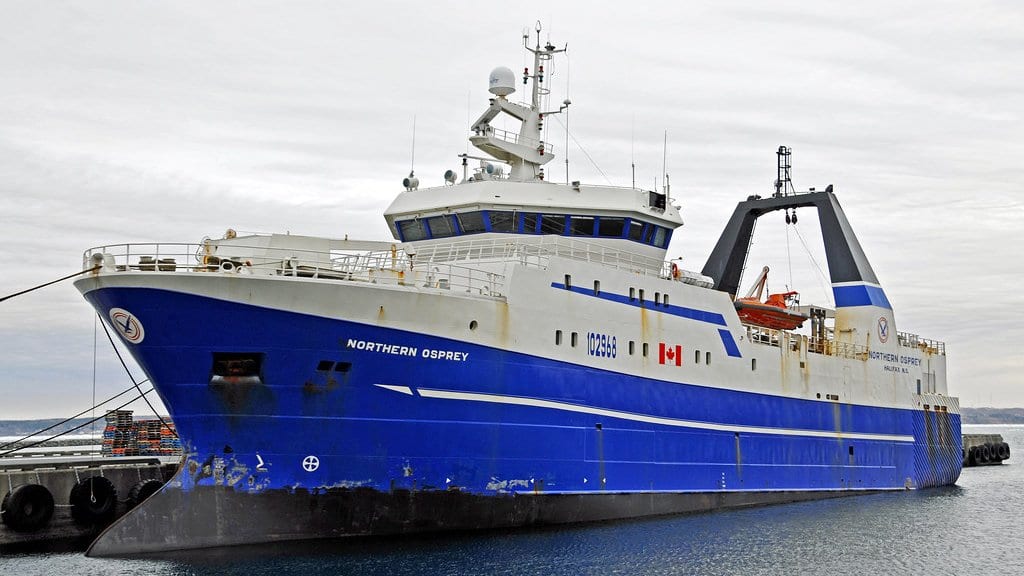
A scenario in which every foreign bottom-trawl catch was kept for use in the country whose waters it came from would move up to 10.6 million people from inadequate to adequate nutrient intake, averaged across all the nutrients studied, researchers report in a paper published Aug. 24 in npj Ocean Sustainability. The same scenario would push 4.2 million people the other way.
Both figures are outputs of that modeled counterfactual, not counts of anything observed. The team, led by David Costalago, built them from global reconstructed marine food catch data and estimated how much of the nutrient content of fish taken by distant-water bottom trawlers, which drag weighted nets along the seafloor in other countries' waters, is landed or exported outside the country the fish came from.
The gains fall mostly in what the paper calls nutritionally vulnerable countries. The 4.2 million people who lose out under the same scenario are mostly in countries it describes as relatively nutritionally secure.
The authors write that their findings "suggest that distant water bottom trawling contributes to global redistributions of aquatic-sourced nutrients," and they recommend policy reform that would "consider nutrition security, simultaneously promoting sustainable fisheries management and considering equity in international fishing access agreements."
Sources
- www.nature.comPeer-reviewed