Weathered Plastic Fragments Killed More Human Immune Cells in a Dish
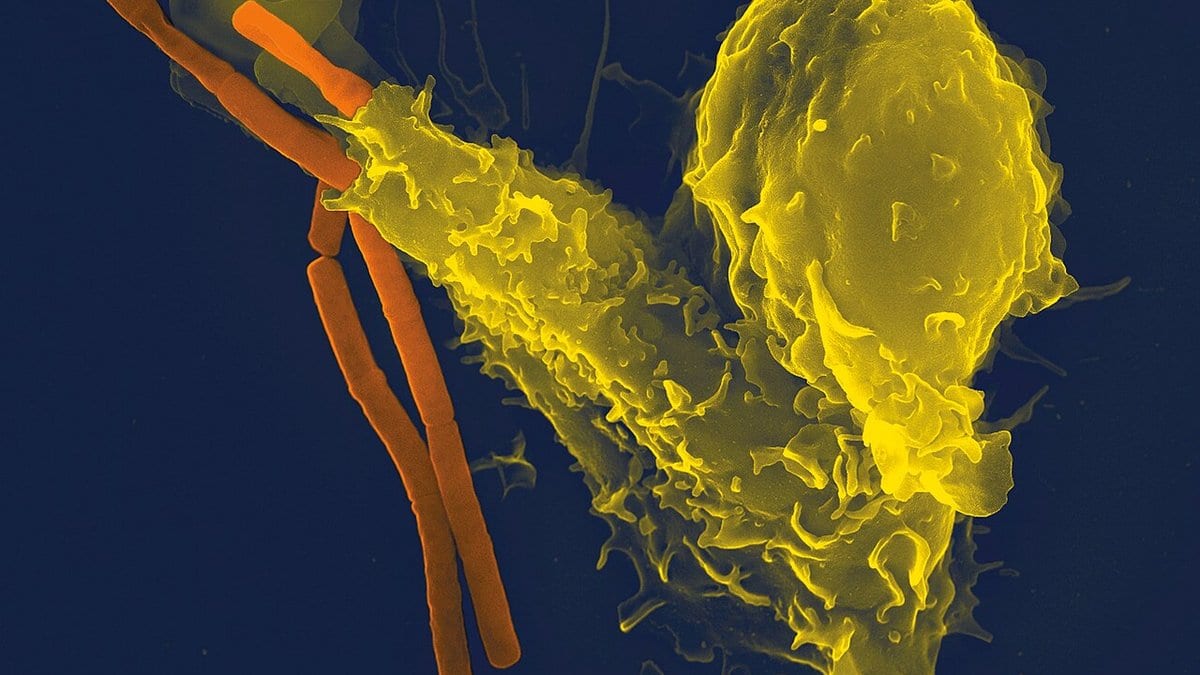
Fragments of PVC, nylon, and PET ground down to environmental sizes increased the death rate of human neutrophils in cell culture, and different plastics pushed the cells toward different ways of dying, a study published Aug. 22 in Microplastics and Nanoplastics reports.
Neutrophils are the most common immune cells in the blood and the first to reach an injury or an infection. A team led by Tim Skrabanja and Nienke Vrisekoop at University Medical Center Utrecht exposed them to fresh and UV-aged particles in three size bands, under 1, 1 to 5, and 5 to 10 micrometers, at 1 to 100 micrograms per milliliter, filming the cells as they responded.
Nine of fourteen particle fractions significantly increased neutrophil death compared with the control, the paper reports, and three triggered pro-inflammatory cell death, a form of dying that releases signals recruiting more immune cells. Those three were 10-micrometer polystyrene spheres and fresh PVC in the smallest and largest size bands.
Cell death rose with the share of neutrophils that had swallowed particles, though the authors note uptake was itself strongly influenced by the modeled number of particles settling onto the cells.
The design sets the work apart from most microplastic toxicity testing. Instead of the smooth, uniform polystyrene beads the authors describe as "widely tested but not representative of environmental particles," they used plastics ground down from bulk material, some of it aged under UV light. The beads provided a comparison and were among the fractions causing the most inflammatory death.
Sources
- Microplastics and NanoplasticsPeer-reviewed