A Few Giant Leaks Decide Whether a Methane Survey Gets the Average Right
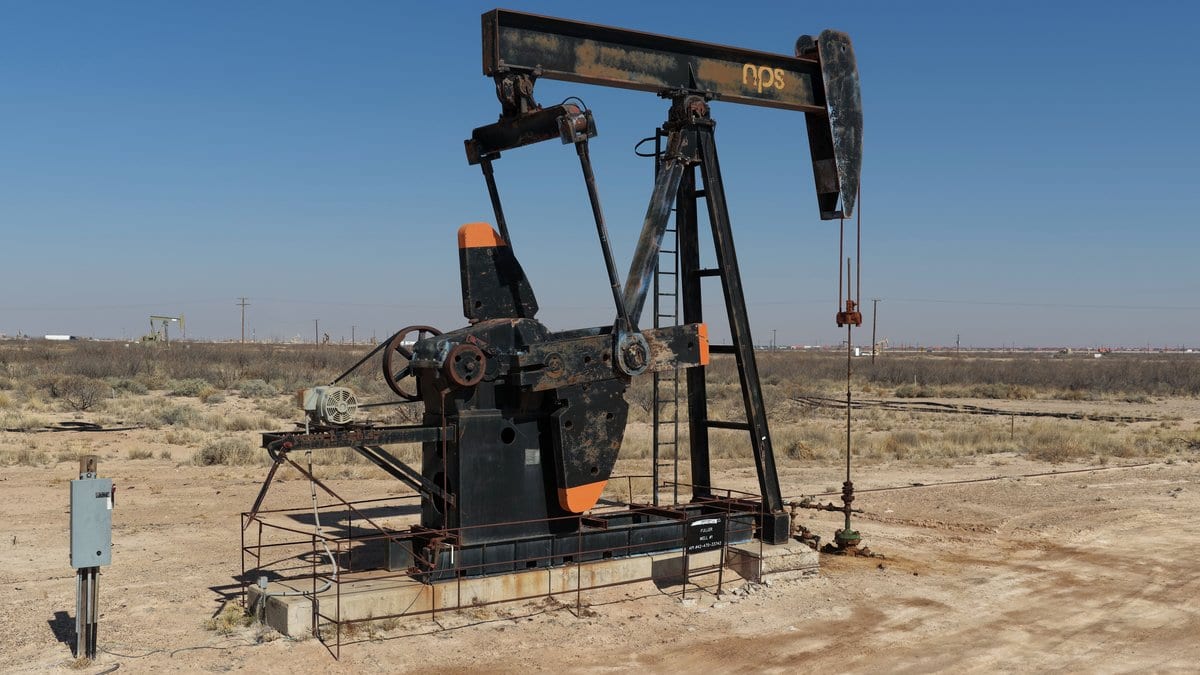
Two statisticians have calculated how many measurements a methane campaign needs in each of six US oil and gas basins to keep sampling error in the basin's average emission rate within bounds. They report that the figure differs enough from one basin to the next that applying one strategy across all of them is a poor choice. The work was published Oct. 3, 2026, in Communications Earth & Environment.
Most of the methane leaving an oil and gas field comes from a small number of very large leaks. The authors report that those largest emissions govern how a sample behaves. A campaign that happens to catch fewer super-emitters, the rare biggest leaks, than are really out there will put the basin average too low; one that catches more will put it too high. So a campaign's size decides whether its average comes out biased, and in which direction.
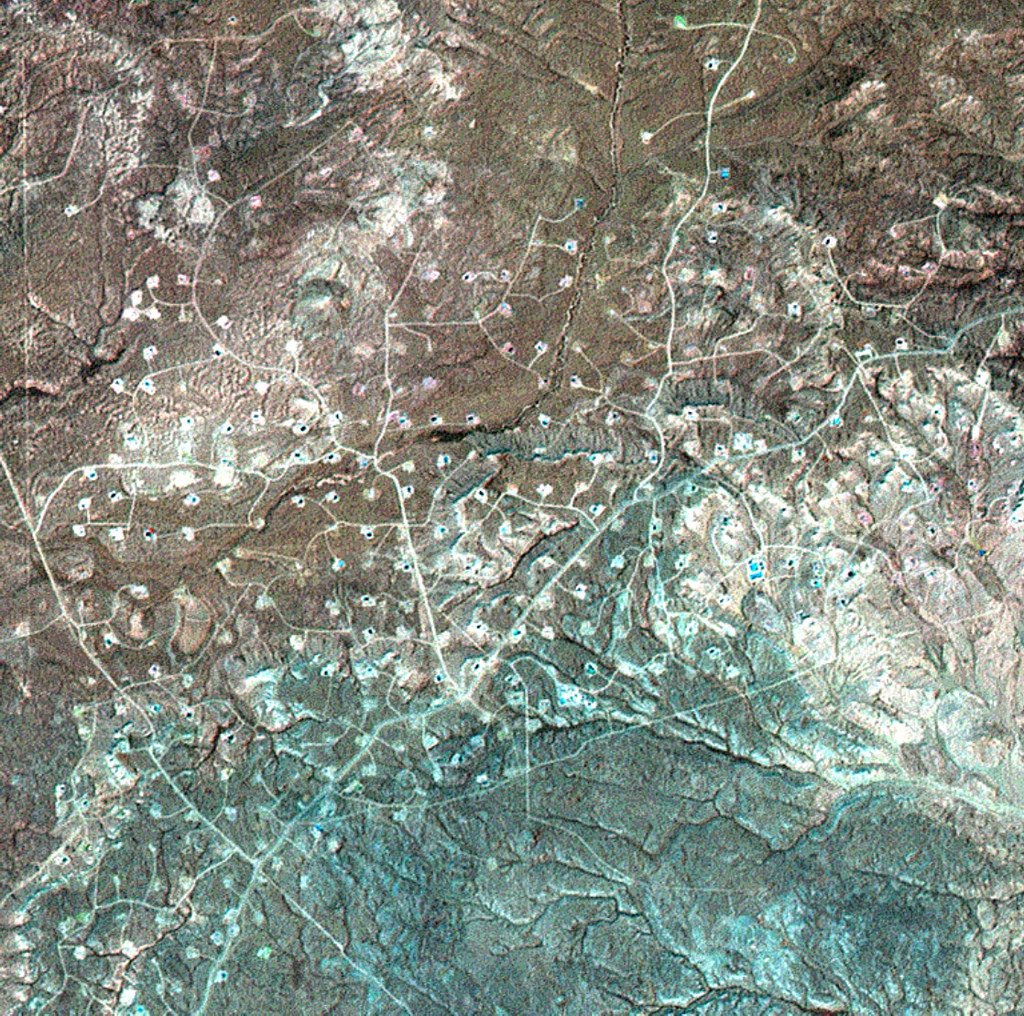
William S. Daniels and Dorit M. Hammerling, of the Colorado School of Mines, set out the calculation in "Future methane measurement campaigns require basin-specific sampling strategies." They work from the lopsided spread of emissions recorded in six US basins, where a long tail of large leaks sits above a mass of small ones. For each basin they give a minimum sample size that bounds the error that sampling variability introduces into the estimated average emission rate, and report that very large samples can be necessary to hold that error down. The two conclude that differences between basins in these outsized leaks call for tailored sampling rather than one strategy everywhere.
This is a statistical result, not a new emissions measurement: the paper mounts no field campaign of its own. Daniels is now at Johns Hopkins University, and Hammerling is also at the Energy Emissions Modeling and Data Lab at the University of Texas at Austin, which part-funded the work alongside the Colorado Ongoing Basin Emissions project.
The paper is open access under a CC BY license. Nature is posting it as a peer-reviewed accepted version ahead of the final version of record, subject to further edits.
Sources
- Communications Earth & EnvironmentPeer-reviewed