Land Is Not What Stops Megacities From Closing Their Dumps. The Bill Is
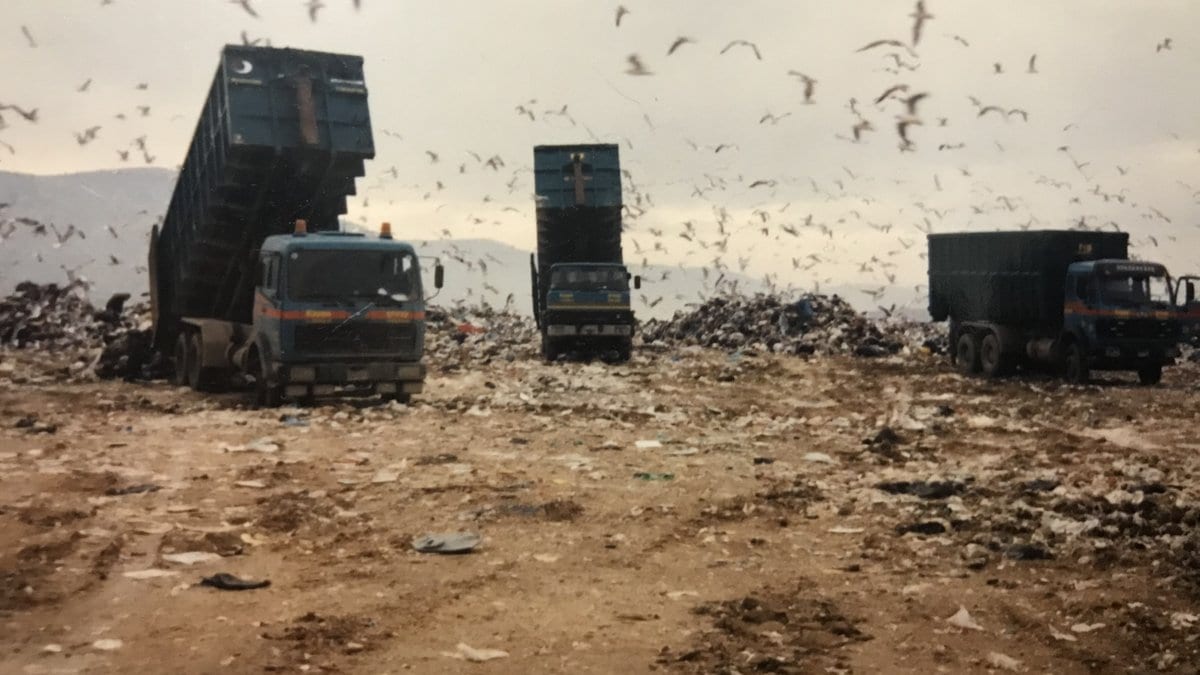
Two engineers at the Hong Kong University of Science and Technology report that six developing megacities all have the spare land to replace their open dumps with engineered landfills, and that whether households can afford to run one does not track the size of the city's economy.
Yugo Sato and Guanghao Chen published the analysis Nov. 3, 2026, in Communications Earth & Environment. The two set out to separate two questions that are usually answered as one: whether a city can build a sanitary landfill, a lined and engineered site rather than an open dump, and whether the people living there can pay for it. Their framework combines site selection, engineering cost estimates over a landfill's working life and satellite-based measures of each metropolitan area's economic output.
Across the six cities, which hold over 100 million residents between them, Sato and Chen put the fee a landfill would have to charge to cover its own costs at 54 to 130 US dollars per metric ton of waste. Those are modeled requirements, not prices any of the cities charges. The revenue those fees represent is 0.26% to 1.04% of metropolitan gross domestic product; billed to households in full, the same money would come to 1.2% to 2.0% of a minimum wage a year.
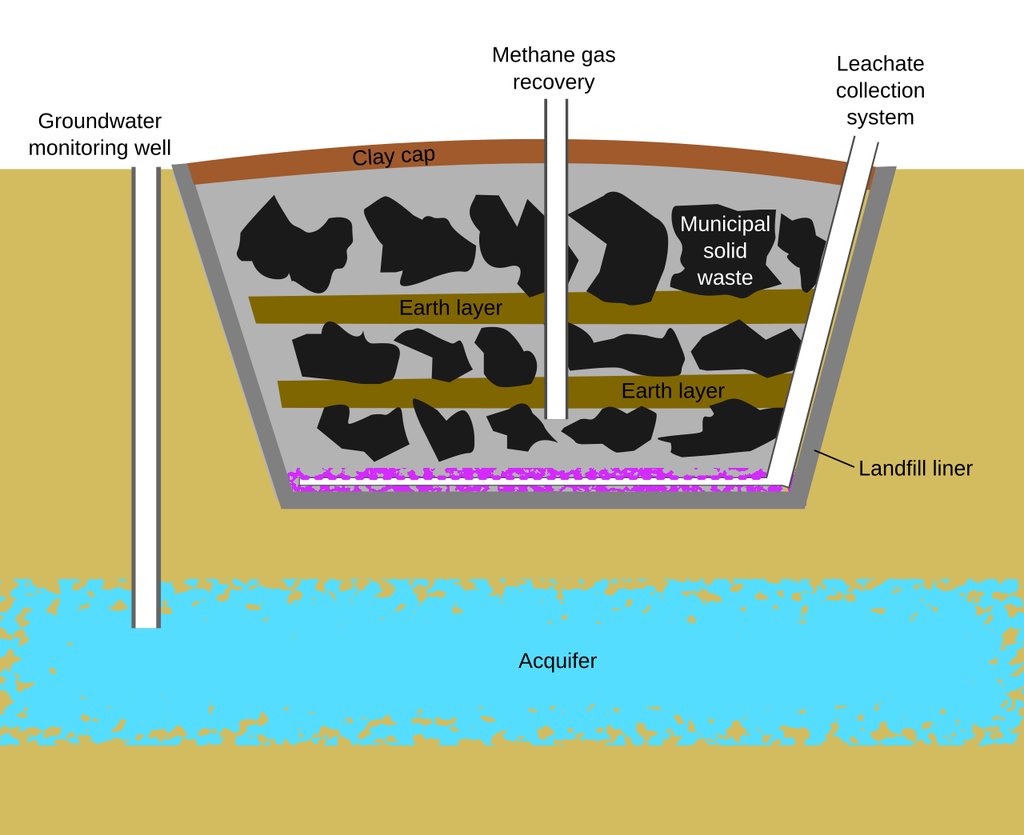
Depth was the strongest engineering control on affordability in their model, most of all in cities with heavy rainfall, but they found that the choice of who pays carries more weight than any design parameter. Their conclusion is that landfills that are feasible technically and against a city's economy as a whole may still be hard to sustain on household fees alone, without cross-subsidies and public financing.
The paper describes open dumping as still the dominant way municipal solid waste is handled worldwide, including in megacities whose populations and economic output rival those of small countries.
The Hong Kong Innovation and Technology Commission funded the work, which is open access.
Sources
- Communications Earth & EnvironmentPeer-reviewed
