An Invasive Mussel Has Taken Hold in Kerala, and Fishers Saw It First
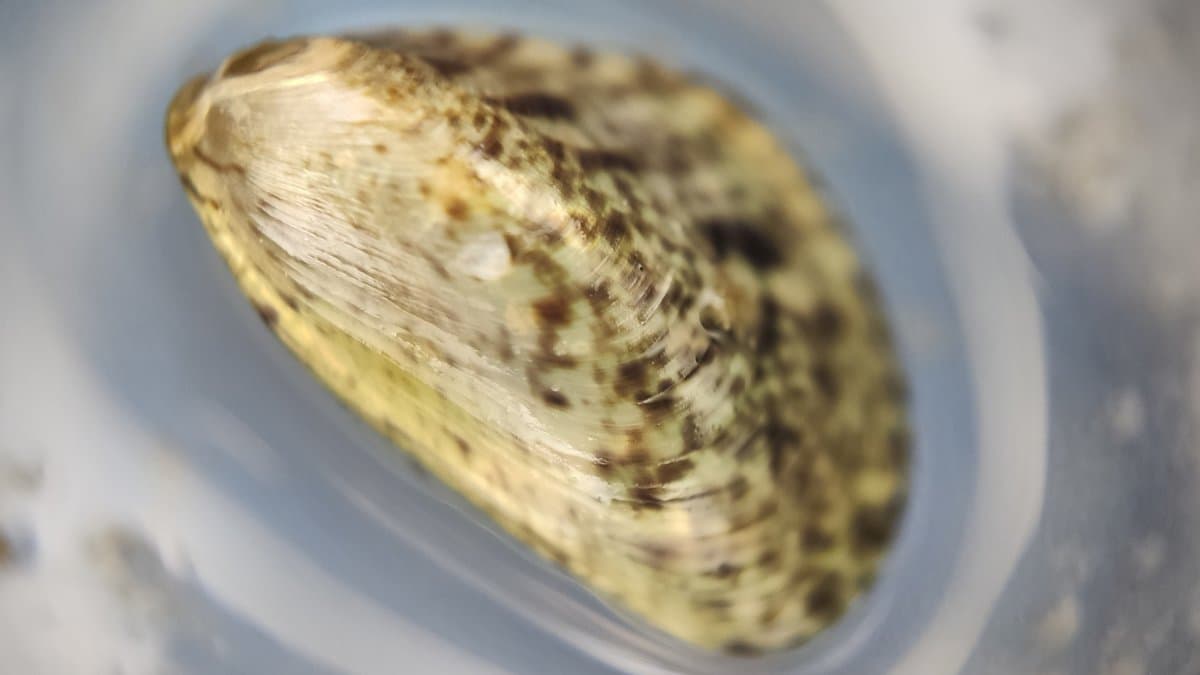
Environmental DNA taken from water samples and interviews with local fishers have both placed Mytella strigata, a brackish-water mussel native to Central and South America, in the estuaries of Kerala on India's southwest coast. Neither found it in neighboring Goa. The regional assessment was published Sept. 19, 2026, in Scientific Reports.
Kovilingal Smrithi of the CSIR-National Institute of Oceanography in Goa and Bharathidasan University, Rakhee D Sinai Khandeparker of the same institute and colleagues say the study shows the value of combining what fishers know with molecular tools. They call for regular eDNA surveillance, meaning water tested for shed DNA, along with fisherfolk engagement and policy action to stop the mussel from spreading further.
Fisherfolk interviewed in Kerala described the mussel spreading quickly and causing trouble for aquaculture: clogging cages, disrupting green mussel and oyster farms and competing with native clams and mussels. Fishers in Goa reported no sightings and no awareness of the animal.
The molecular evidence matched those accounts. The eDNA tests confirmed the species in Kerala's estuaries and recorded no detection in Goa during the survey, a result that says the mussel was not picked up in that round of sampling, not that it is absent from the state.
The team also measured the animal's food value. It is low in protein, carries little polyunsaturated fat and is high in erucic acid. That makes it poor value as human food, but a possible cheap feed ingredient for poultry and fish farms.
The study is open access. Scientific Reports published the accepted version ahead of the final version of record.