Scientists Put a Number on the Warming at the Himalayan Slope That Collapsed
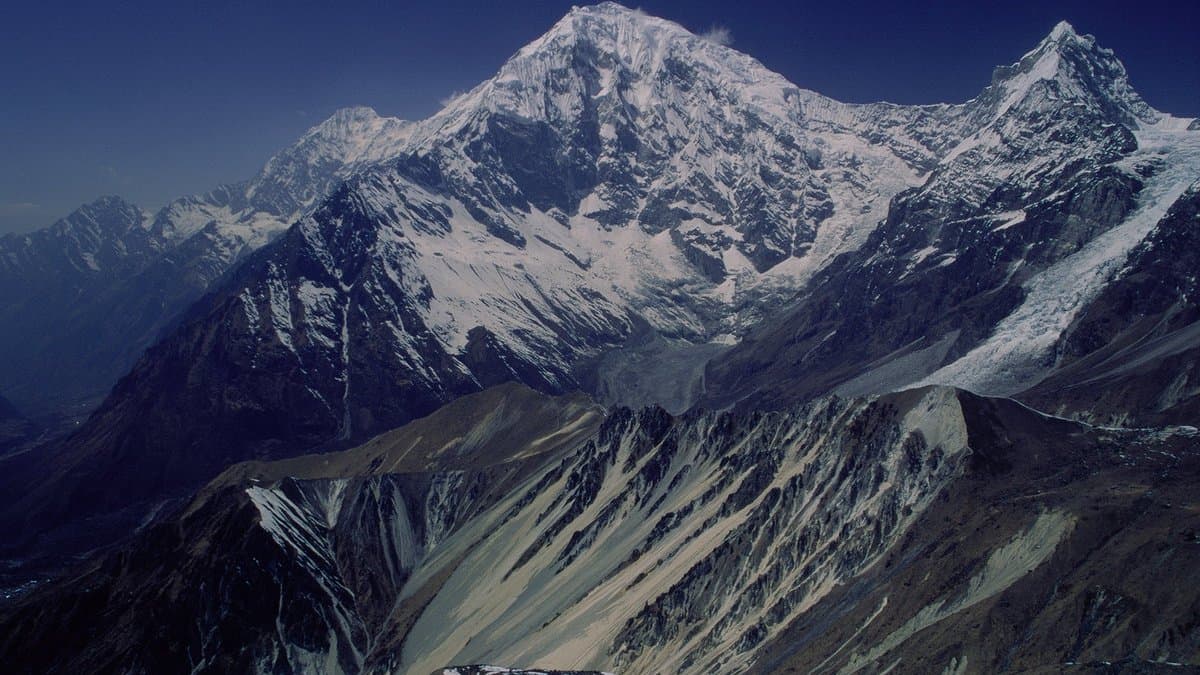
Human-caused climate change had added about 1.5 °C to July and August temperatures at the Himalayan slope that gave way on Aug. 26, 2026, the World Weather Attribution network reported on Sept. 17.
The slope is a rock wall on Langtang Lirung, a mountain in Nepal's Rasuwa district, and its collapse carried glacier ice with it. WWA's assessment, a rapid one that has not been peer reviewed, does not try to attribute the collapse itself. It gathers the known and possible drivers of the failure and measures how each has changed as the region warmed.
The team explicitly acknowledges a key limitation: it has not assessed whether this rock and ice avalanche would have happened without human-induced climate change. Such an attribution would require evidence tying air temperatures to ground temperatures, water pressure inside fractures and slope movement.
Annually, WWA puts the attributable warming at the failure site at about 2 °C, and in individual winter months the observed increase is as high as 3 °C. The freezing level, the altitude at which the air reaches the freezing point, has been rising by roughly 100 meters per decade in the monsoon and postmonsoon seasons. A higher freezing level thaws ice held in cracks in the rock and shifts precipitation from snow to rain, both of which can loosen a slope. Retreat of the Langtang Lirung glacier has also sped up, from 0.5% a year over the previous two centuries to 1–2.3% a year since 2010.
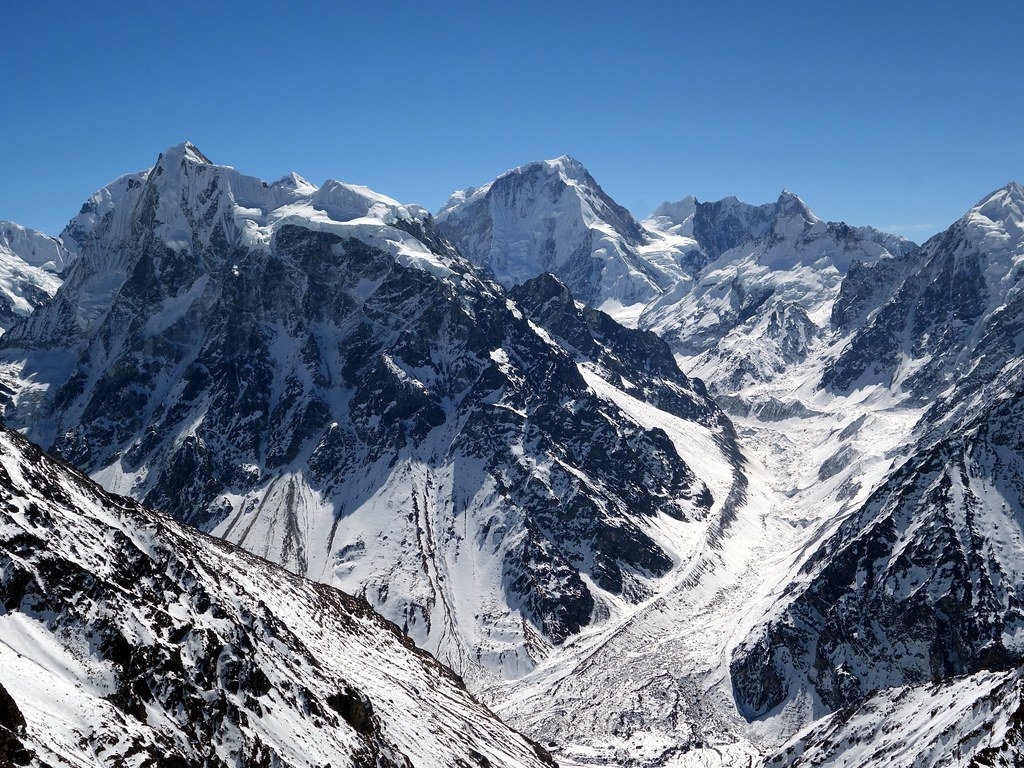
WWA describes climate change as a destabilizing factor acting on a slope that the underlying geology had already predisposed to fail, rather than as the fundamental cause. A 2015 earthquake set off an earlier rock and ice avalanche there, and the group says that shaking may have weakened the rock mass over the long term, though its share in this failure is unconfirmed.
The authors are researchers from 10 countries, among them glaciologists, hydrologists and seismologists. The network's partners are Imperial College London, the Royal Netherlands Meteorological Institute and the Red Cross Red Crescent Climate Centre.