Rising Seas Have Already Widened the Coast That Cyclone Surges Flood
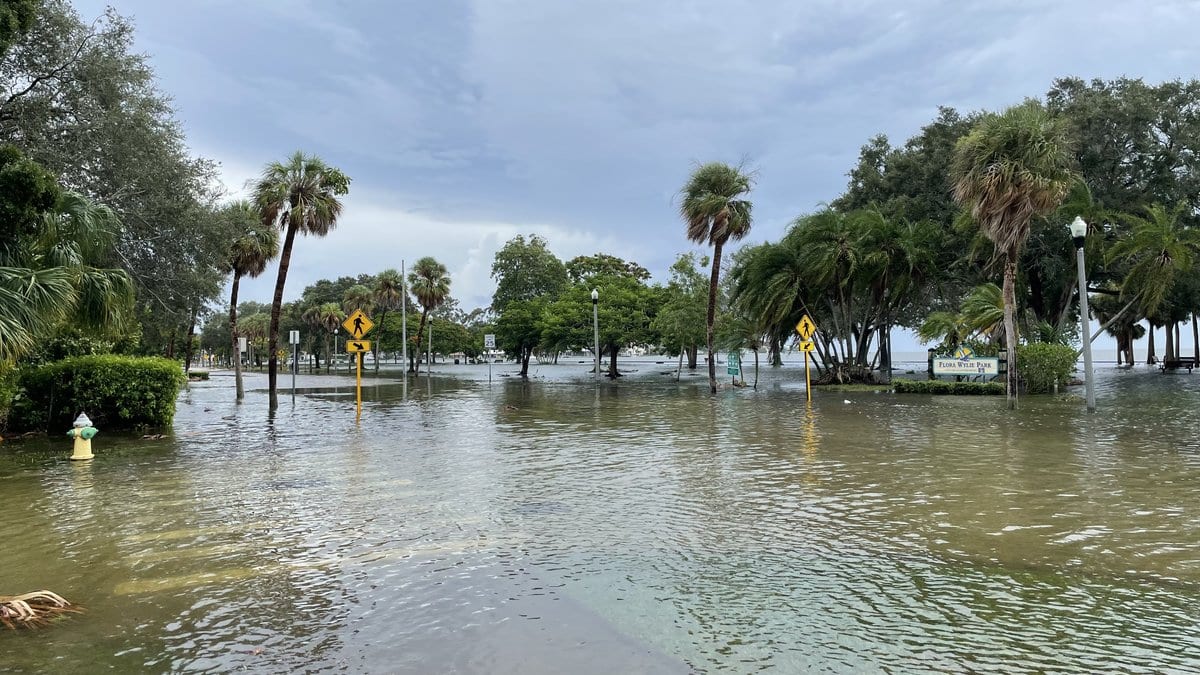
Sea level rise has already widened the stretch of coastline that tropical cyclone storm surges flood, according to a study published Nov. 3, 2026, in Environmental Research Letters. Researchers at the Potsdam Institute for Climate Impact Research and the University of Potsdam simulated the coastal flooding from every tropical cyclone landfall recorded between 1950 and 2025, once with the sea levels the world actually had and once with the long-term rise removed.
The pair of runs is what separates the sea's slow rise from the storm itself. Matthias Mengel, Katja Frieler and colleagues report that the coastal area reached by surge was about 5% larger than in the no-rise case in 1950-1954, assuming average tide levels, and about 18% larger in 2021-2025. The comparison is with a simulated world in which sea level never rose, not an observed before-and-after.
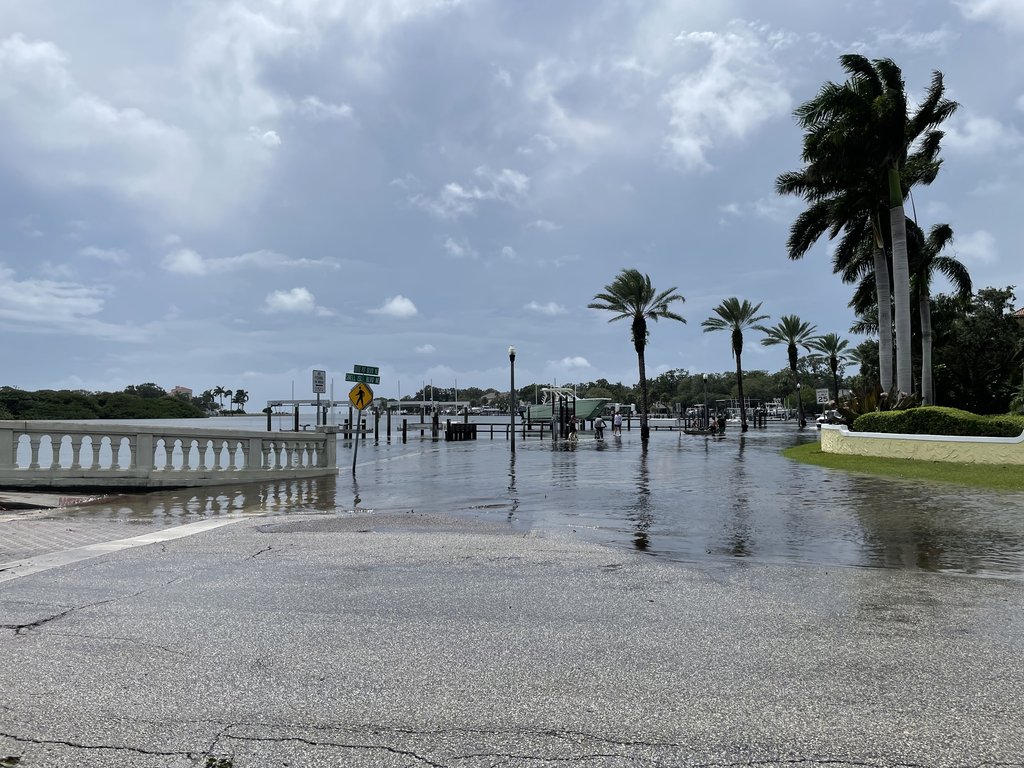
The increase is not even along the world's coasts. The team puts the largest relative increases along North America's Atlantic coast and in Southeast Asia.
The authors also ran the model with 1 meter of local sea level rise added and cyclone tracks and wind fields left unchanged. They report that this case reaches 146% more flooded area under the same average-tide assumption, which is more than a straight-line relationship between sea level rise and flood extent would give. It is a what-if calculation rather than a projection, and it carries no date by which a meter would arrive.
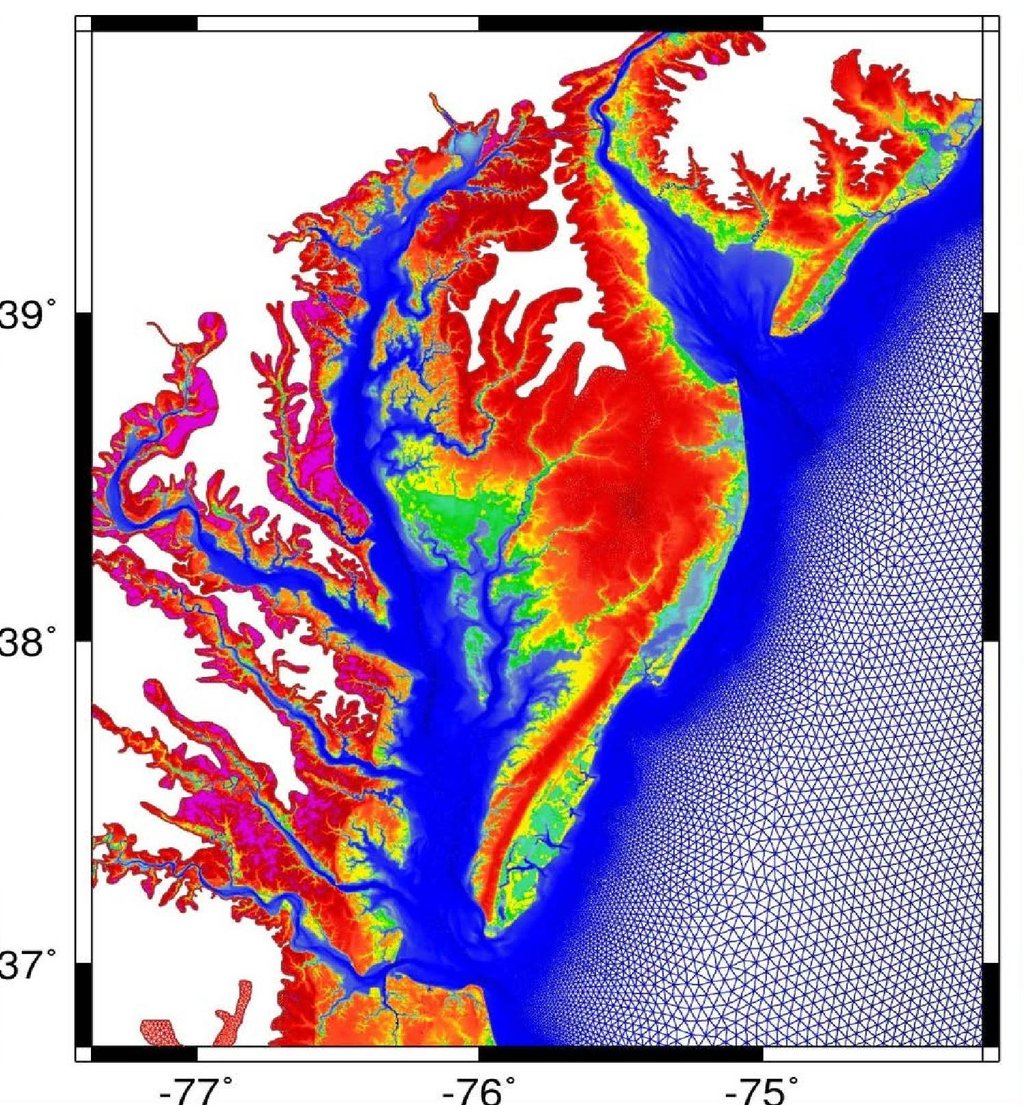
The flooding was simulated with an open-source shallow water model over the landfalls listed in the International Best Tracks Archive. The authors conclude that sea level rise has already produced a significant increase in flood extent, and that the simulated flood extents from both runs are published as a data set extending the ISIMIP3a climate forcing data, so that other coastal impacts can be evaluated and attributed.
Sources
- Environmental Research LettersPeer-reviewed