Heatwaves Have Cut the Variety of Coral Forms on Persian Gulf Reefs by Half
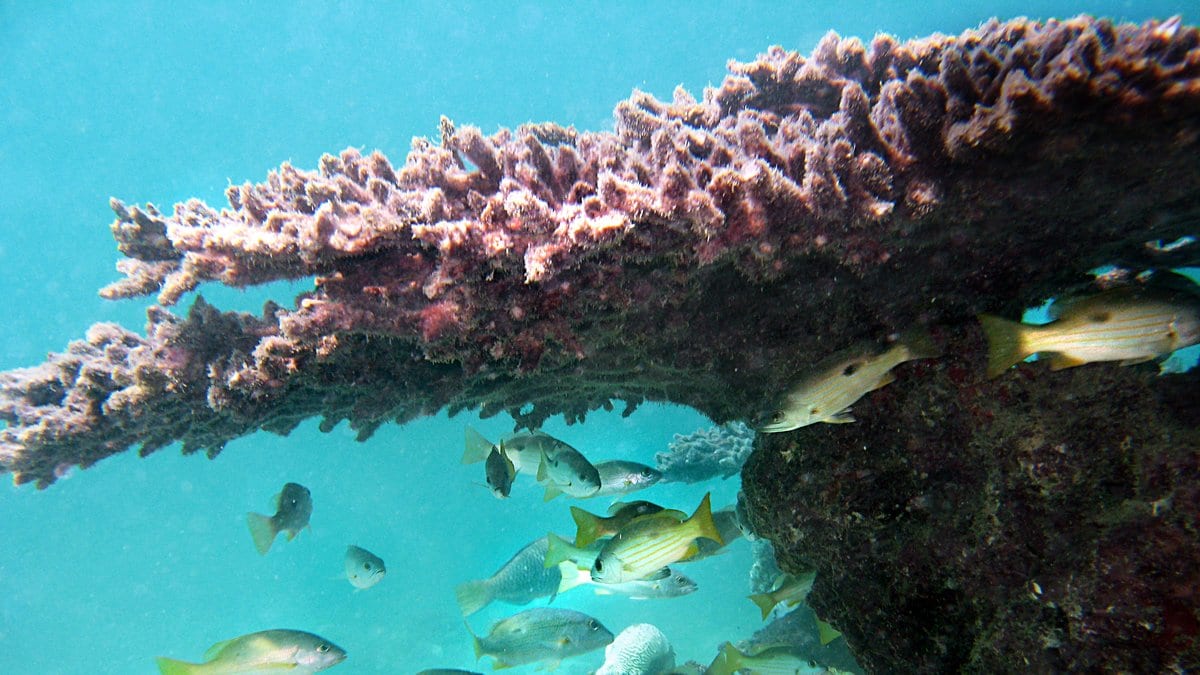
Researchers at Nova Southeastern University and New York University Abu Dhabi report that recurrent marine heatwaves have cut the variety of coral forms on Persian Gulf reefs by about half over 16 years.
The authors describe the Gulf as a natural laboratory for anticipating how coral communities change under climate change: the water there already reaches temperatures that reefs elsewhere are not projected to experience until 2100. Coral losses there are already well documented, and what those losses did to the corals' own traits had gone largely unexplored.
Samara L. Zinman of Nova Southeastern University, Andrew G. Bauman of the university's National Coral Reef Institute and four colleagues applied a trait-based framework to the Gulf survey record, sorting corals by the features that set how they withstand disturbance and what they contribute to the reef. The study was published Nov. 26, 2026, in Scientific Reports.
Recurrent heatwaves and the species losses that came with them drove an approximately 50% decline in functional richness, the range of forms and roles a coral community holds. That leaves the reefs increasingly reliant on fewer kinds of coral. What is left leans toward corals that tolerate disturbance but build less structure — flatter, simpler growth forms. The authors call that shift functional simplification and homogenization.
According to the team, climate-driven declines in functional richness may reduce the ability of coral communities to maintain key reef processes under projected warming, and the authors argue for conserving functional richness and the species that sustain it.
Sources
- Scientific ReportsPeer-reviewed