IUCN Says Nearly All Shallow Coral Reefs Risk Collapse by 2075 if Ocean Warming Continues
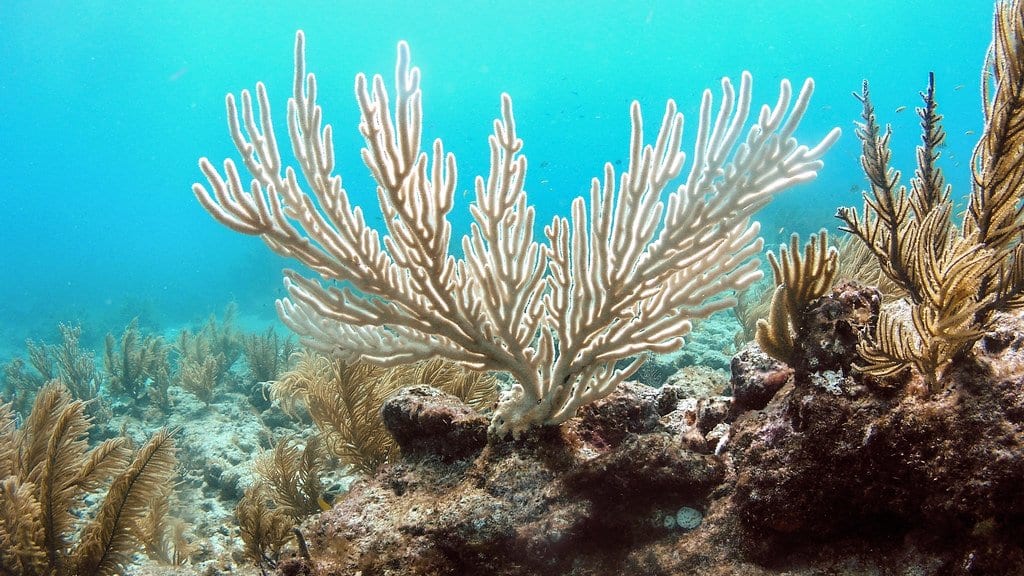
The International Union for Conservation of Nature published what it calls the first global assessment of coral reefs under its Red List of Ecosystems on Oct. 22, 2026, and classified 96% of the world's shallow-water reef ecosystems as Critically Endangered, its highest threat category. That rating measures the risk of collapse by 2075 and counts projected ocean warming as well as damage already recorded. On observed change over the past 50 years alone, IUCN says 24% of the assessed reef ecosystems would be Critically Endangered.
The Red List of Ecosystems is a different instrument from the Red List of Threatened Species that most readers will know: it rates the risk that a habitat stops working as a system, not the risk that a single species dies out. IUCN says in the release that the two are complementary, and that the gap between the two figures marks a window in which emissions cuts and local conservation can still change the outcome.
The assessment covers warm, shallow-water reefs in 127 tropical and subtropical ecoregions. It names heat stress as the single most consistent driver of reef decline worldwide, with ocean warming and marine heatwaves causing mass bleaching that kills coral over wide areas. The warming it assumes comes from a middle-of-the-road IPCC scenario, which IUCN says projects 2.7 °C of atmospheric warming by the end of the century.
IUCN defines a collapsed reef as one that has lost its defining features: hard corals almost disappear, and algae, rubble and sponges take over. One ecoregion is already in that state, the Western Galápagos Islands, which IUCN has classified as Collapsed since the 1982–83 El Niño.
Overfishing is the other threat the assessment singles out. IUCN says depleted populations of parrotfish and grouper threaten 63% of reef ecosystems, with East Asia, the Western Indian Ocean, the Caribbean and Brazil among the regions affected. Those fish graze the algae that compete with coral, and the organization says their loss leaves a reef less able to recover from heat stress.
"The risk of coral reef collapse is escalating, but this must be a wake-up call rather than a cause for despair," said Mishal Gudka of CORDIO East Africa and the University of Melbourne, the assessment's scientific lead. IUCN has separately reassessed reef-building coral species on the Red List of Threatened Species, and says 44% are threatened with extinction.