Two Newer Strep Strains Took Over in Japan's Toxic Shock Cases

Public health laboratories across Japan typed 919 bacterial samples from patients with streptococcal toxic shock syndrome, a fast-moving and often deadly infection, and found that two newer variants of the most common strep strain had displaced the older one. The dispatch appeared Oct. 16, 2026, as an early release from Emerging Infectious Diseases, the journal of the US Centers for Disease Control and Prevention.
Cases of the syndrome climbed in Japan after COVID-19 control measures were relaxed. Tadayoshi Ikebe and Yukihiro Akeda of the National Institute of Infectious Diseases in Tokyo, with colleagues at prefectural public health institutes, say they ran the study to work out how much of that increase came from particular variants of emm1, the strain group behind most cases.
Of the samples typed, emm1 was the most common group, and within it the dispatch records M1_UK at 49.8%, the newer M1_13SNPs at 37.4% and the older M1_global at 12.8%. In 2019, M1_global accounted for more than 60% of emm1 samples. The typed samples covered 62% of the toxic shock cases reported across the country.
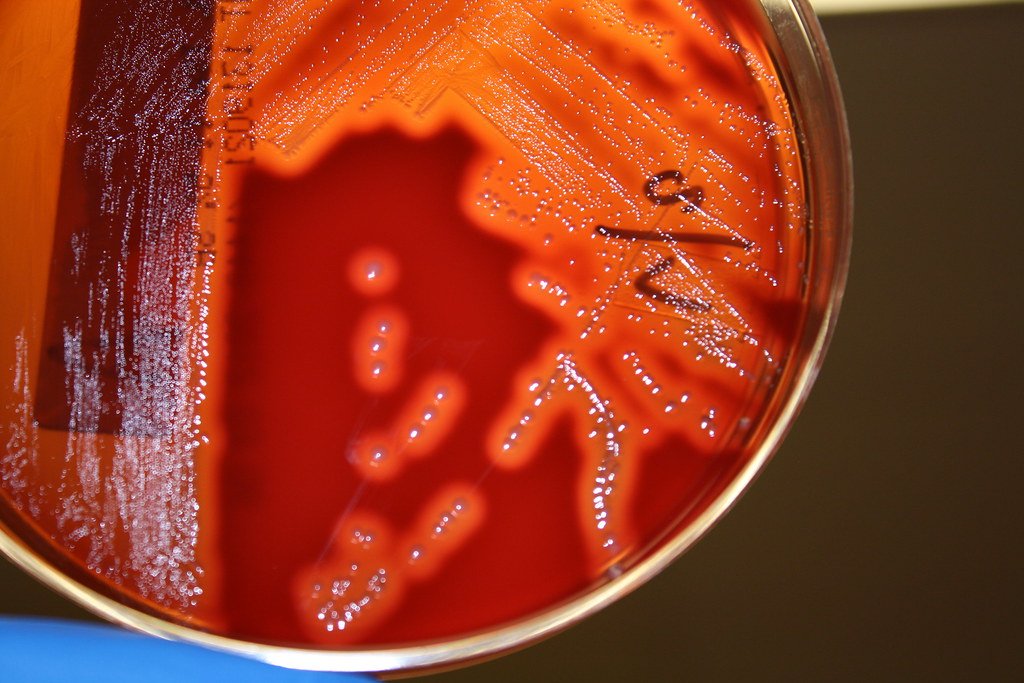
National surveillance figures show emm1-linked toxic shock declined during 2020–2022 and rose after Japan relaxed its mask guidance on March 13, 2023. All three variants increased after that date. The authors describe that as a temporal association and suggest it reflects more chances for the bacteria to spread in schools and the community.
Patients infected with M1_13SNPs were younger on average and died more often than patients whose infections came from other strain groups. The authors call that finding exploratory: incomplete clinical records left the comparison unadjusted for underlying conditions, treatment or severity, and they say it does not establish an effect of the lineage itself.
A similar expansion of M1_UK has been reported in Europe, the authors note. Japan's Ministry of Health, Labour and Welfare funded the work.
Sources

Medical Disclaimer: This content is provided for general informational and educational purposes only. It is not medical advice and should not be used as a substitute for professional medical advice, diagnosis, or treatment. Always consult a qualified healthcare professional regarding any medical condition, concern, symptom, or treatment decision.