June's Earthquake Spike Was Largely Aftershocks, a New Analysis Finds
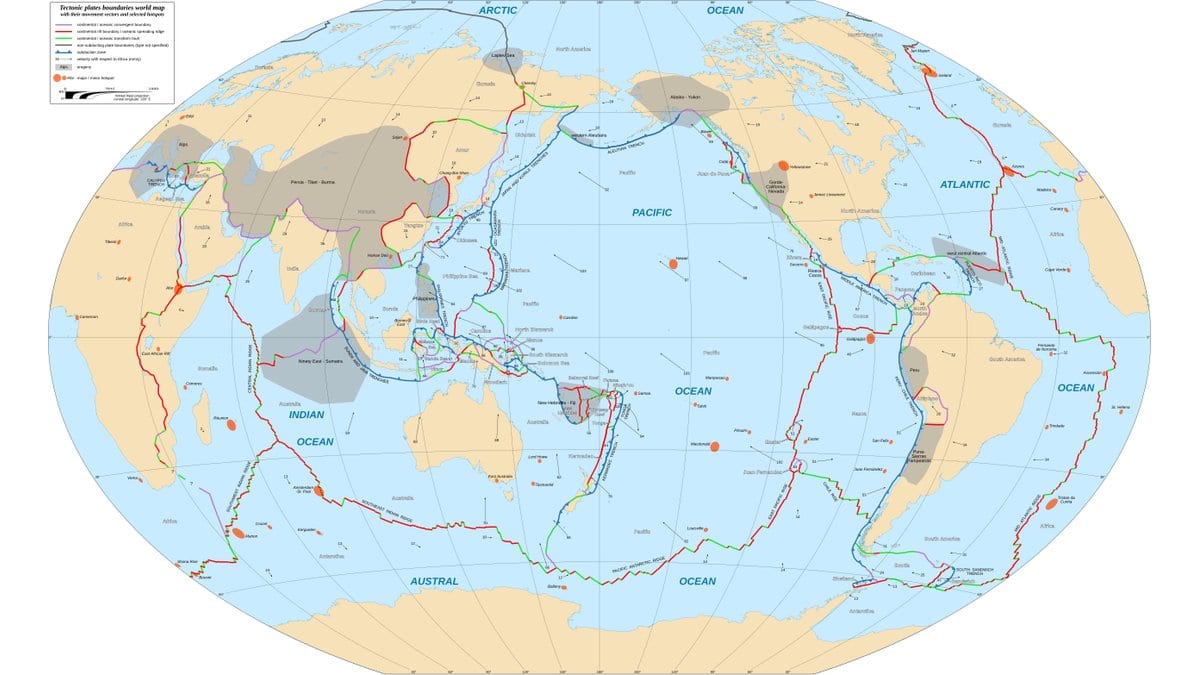
The ALLATRA Global Research Center says the apparent wave of strong earthquakes in the summer of 2026 was largely aftershocks, while the largest earthquakes ran above their long-term rate.
The center set that out in an analytical brief published Oct. 12, 2026, written by Ahn J. and Albridge N. It measures how unusual the year's global earthquake activity actually was. The brief is not peer-reviewed; it is the publishing organization's own re-analysis of public earthquake catalogs.
Counting only earthquakes that were not aftershocks of a larger one, the center reports 73 of magnitude 6 or greater worldwide through Aug. 28, 2026, against an average of 71 for the same period. June looked far busier, with 19 such earthquakes against a usual 11, but seven of those were aftershocks, four of them from one strong earthquake in Mindanao, Philippines, and three from earthquakes that began in 2025.
Larger earthquakes went the other way. The brief counts 11 earthquakes of magnitude 7 or greater by the same date, against an average of 8.8 for 1995–2025, and reports that the rate of such earthquakes stepped up in the mid-1990s and has stayed about 30% higher since. It says it tested that step against the choice of change year, three separate catalogs and several magnitude thresholds, and that its physical cause remains unresolved. Other researchers have found the long-term record consistent with a constant rate of large earthquakes; the brief says they addressed a different question. Whether it reflects a real shift in large-earthquake activity is left open.
The brief reports that several of the year's largest earthquakes were unusual in other ways. The two Venezuelan earthquakes of June 24, 2026, struck 32 seconds apart, the shortest gap between two such earthquakes in the global catalog since 1970, and the sequence produced only one aftershock of magnitude 5 or greater in its first week, where comparable earthquakes produce a median of seven.
The brief declines to assess earthquake risk for any city, building or individual, and refers readers to national and local geological and emergency agencies. It notes that 2026 is not yet finished.