A Nationwide Hunt for Methane-Eating Bacteria Finds 102 New Species
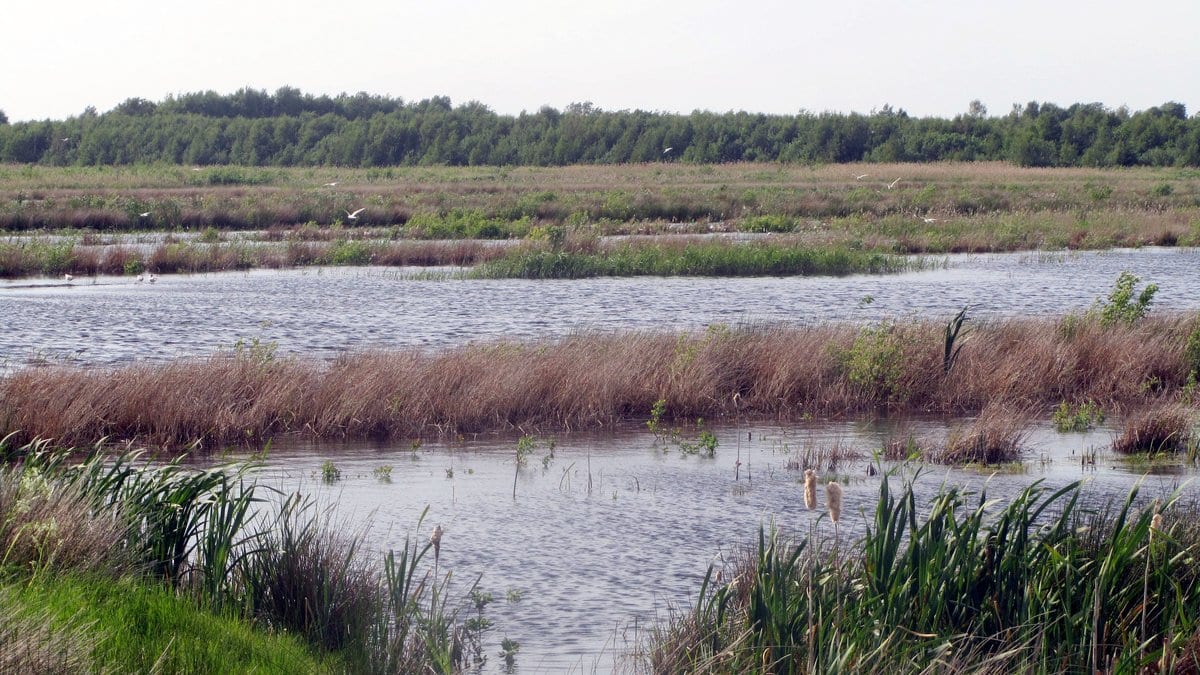
A national survey of Denmark has described 102 species of methane-eating bacteria that had never been named, and found that the ones nobody has grown in a laboratory are the dominant methane consumers in natural habitats. The bacteria destroy methane by oxidizing it, and the paper puts methane emissions at nearly a third of Earth's effective radiative forcing, a measure of the warming pressure on the climate.
The study was published Nov. 10, 2026, in Nature Communications by the Center for Microbial Communities at Aalborg University, with colleagues at The Arctic University of Norway in Tromsø. The authors describe the result as a baseline for one country: a record of which methane consumers live in which of Denmark's major natural, urban and agricultural habitats, and of which species and places are candidates for future methane-mitigation work.
Knudsen and colleagues built it from 10,683 metagenomes, each the pooled DNA of a single environmental sample, and sorted the methane consumers in them by reconstructed genome rather than by a single marker gene, which cannot separate close species. Of the methane consumers recovered, 102 are new species. The uncharacterized ones dominate in natural ecosystems, and natural and disturbed habitats contrast clearly in what lives in them.
The paper attributes the gap in knowledge to cultivation. These bacteria are hard to grow, and earlier pictures of their diversity rested on incomplete or low-quality genomes assembled from mixed samples, or on marker-gene surveys too coarse to tell species apart.
It is open access, and the species lists and underlying measurements are published with it as supplementary and source-data files. The samples and their metadata were collected by the Microflora Danica Consortium, and funding came from the Poul Due Jensen Foundation, the Villum Foundation, the Novo Nordisk Foundation, the European Union through the European Research Council, and the Research Council of Norway.
Sources
- Nature CommunicationsPeer-reviewed