Storms Are Making Sea Ice Swing Harder Between Growth and Melt
Intense storms crossing the edge of the world's sea ice push the ice's yearly growth and melt further in both directions, and on balance they raise the global annual mean sea-ice area by 13%, Claire Mundi and Tristan L'Ecuyer of the University of Wisconsin-Madison report in a paper published Aug. 20 in Nature Communications.
That 13% describes the size of the seasonal cycle, which the authors write storms "enhance ... in both hemispheres." It is not a statement that storms make up for the long-term loss of sea ice, and part of what produces the number is that loss: cyclones expand global ice area from April through October and destroy it only in November and December, because, in the paper's words, "the low overall Antarctic sea ice extent in late summer limits further losses."
The direction of the effect follows the season. During the cold season, the authors report, cyclones drive ice away from the pole into water that is cooling; during the warm season they push it poleward into water that is warming. Southern Hemisphere cyclones have the strongest influence on global ice area, with autumn and early-winter storms expanding it most, and those gains are partly offset by ice losses in early austral summer.
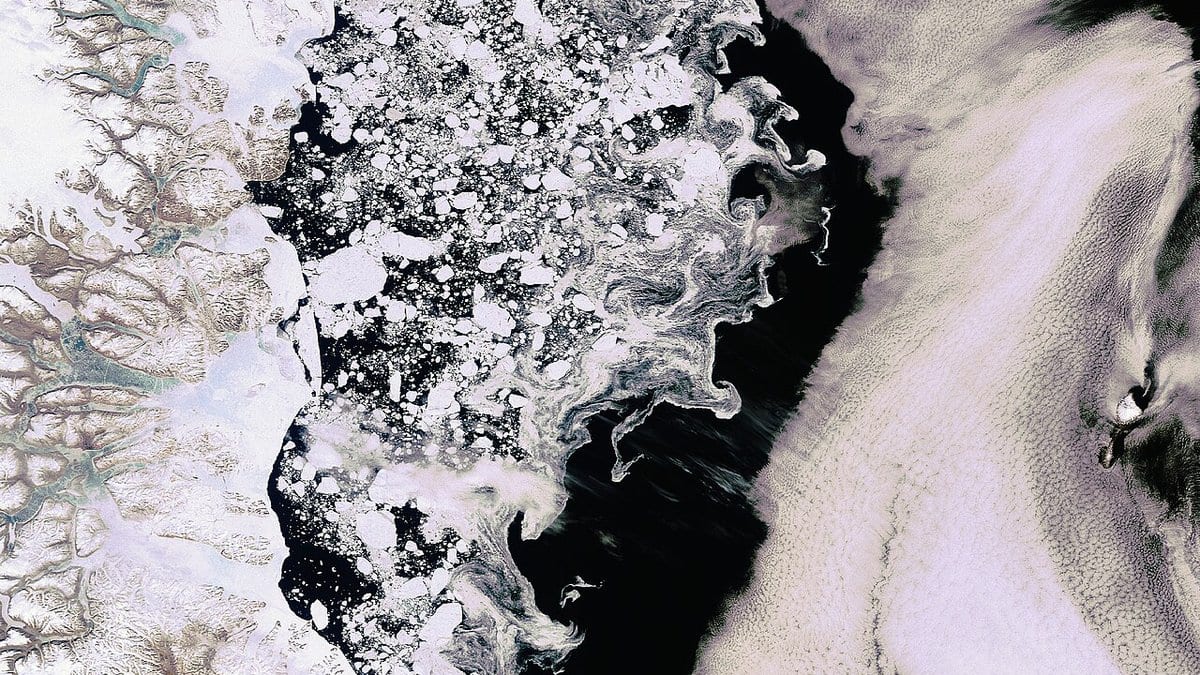
The competing processes are why the total had not been added up before. Storms can break ice apart by amplifying waves, carry heat and moisture over it, and speed its drift, and because of that range of effects "the net effect of cyclones on global ice area has yet to be quantified," the paper states. Mundi and L'Ecuyer analyzed two decades of intense cyclones interacting with the marginal ice zone, the band of broken, wave-worked ice at the edge of the pack. The effect has increased in recent years, they report.
The paper was received Feb. 20 and accepted Aug. 11, and the journal published it as an early accepted version it says is citable but subject to further edits. The work was funded by a NASA CloudSat/CALIPSO Science Team grant.
Sources
- Nature CommunicationsPeer-reviewed