Earth's Ice and Snow Have Left Their Safe Limits, a Science Assessment Concludes
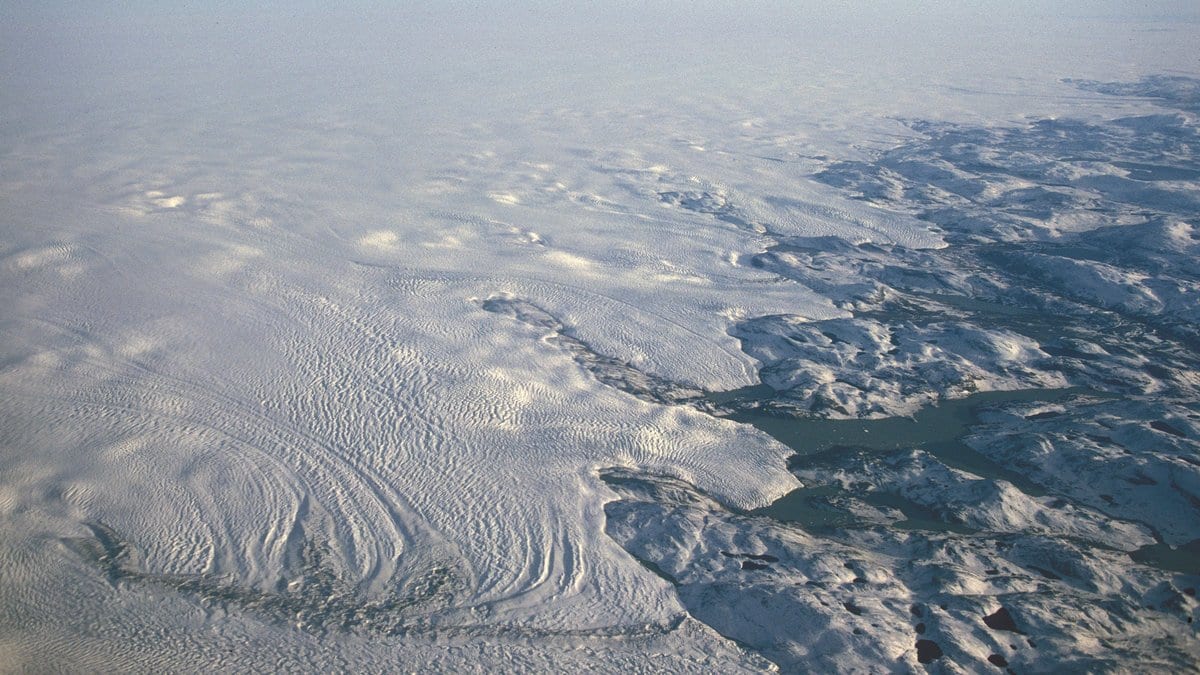
An international research team led from the Stockholm Resilience Centre at Stockholm University has concluded that Earth's ice, snow and frozen ground have left the range of conditions that held through the Holocene, the stable period in which human societies developed. The team proposes a safe operating space for the cryosphere, the frozen part of the Earth system, and reported Nov. 12, 2026, in Science that this space has already been breached.
The Science paper sets that space as a precautionary limit for the planet's frozen parts and assesses what they contribute to the resilience of the Earth system, using the planetary boundaries framework, a set of limits for global environmental processes. The authors conclude that protecting that resilience requires cryosphere change and its interactions across the Earth system to be taken explicitly into account.
The authors report multiple lines of evidence for an accelerating and partly irreversible loss of the cryosphere's integrity, driven by feedbacks that reinforce one another. The key measures they track have either already left Holocene-like conditions or are committed to leaving them, and the paper concludes that the cryosphere is on a trajectory that "locks in long-term risks for human societies and ecosystems."
According to the Stockholm Resilience Centre's own announcement, the paper was published at COP31, the UN climate conference in Antalya, Türkiye, which runs Nov. 9–20, 2026. Lead author Bo Su, a researcher at the Stockholm Resilience Centre and at Beijing Normal University, said in that announcement: "The cryosphere has already exceeded its planetary safe operating space, threatening the frozen foundations of our planet that have supported human civilisations for millennia." Co-authors include Johan Rockström, director of the Potsdam Institute for Climate Impact Research.
The announcement also says the authors urge policymakers to use the proposed boundary as a scientific basis for precautionary targets: limits on greenhouse gases and on black carbon, the soot from burning, and curbs on local disturbances such as industrial and infrastructure expansion.
Sources
- SciencePeer-reviewed