At COP31, a Talk Asks What Plastic Particles Do in the Ovaries
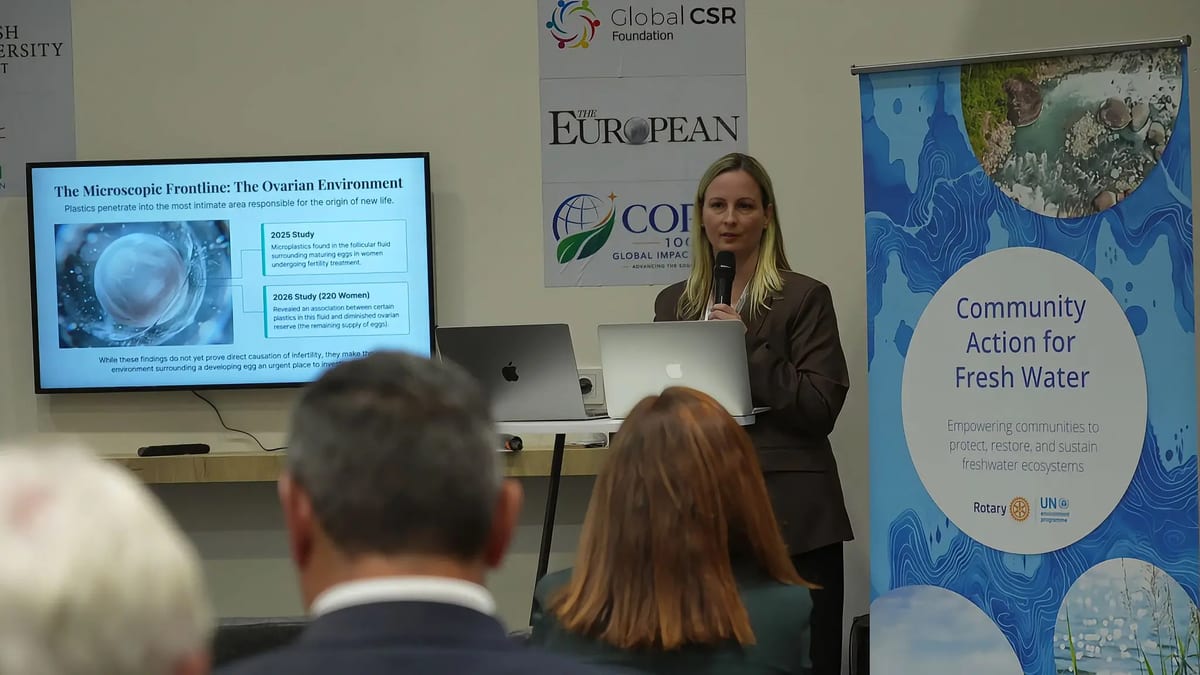
ANTALYA, Türkiye — Plastic particles have been found in the fluid around a woman's developing eggs and in the placenta, but whether they affect fertility is still unknown. At COP31 on Nov. 12, 2026, Gabriela Szalayová, a primary care physician speaking as a representative of the ALLATRA Global Research Center, set out where the evidence stops, what studies still need to answer and why that research is hard to do.
In a 2025 study in Ecotoxicology and Environmental Safety, Luigi Montano and colleagues in Italy found microplastics in the ovarian fluid of 14 of 18 women having fertility treatment. Particle levels were linked to FSH, a hormone used to gauge a woman's remaining eggs, but not to fertilization, miscarriage or live birth. In 2021, Antonio Ragusa's team in Rome reported particles in four of six placentas.
A 2026 study by Manfei Si, Jie Qiao and colleagues at Peking University Third Hospital compared women with and without a reduced egg supply and linked the particles, especially a nylon called polyamide 66, to it. Citing mouse experiments too, the authors wrote that the particles may harm the ovaries.
A review of 41 studies by University of Florida researchers, published in Reproductive Toxicology in October 2026, found inconsistent results linking plastic particles to markers of egg supply or reproductive outcomes.
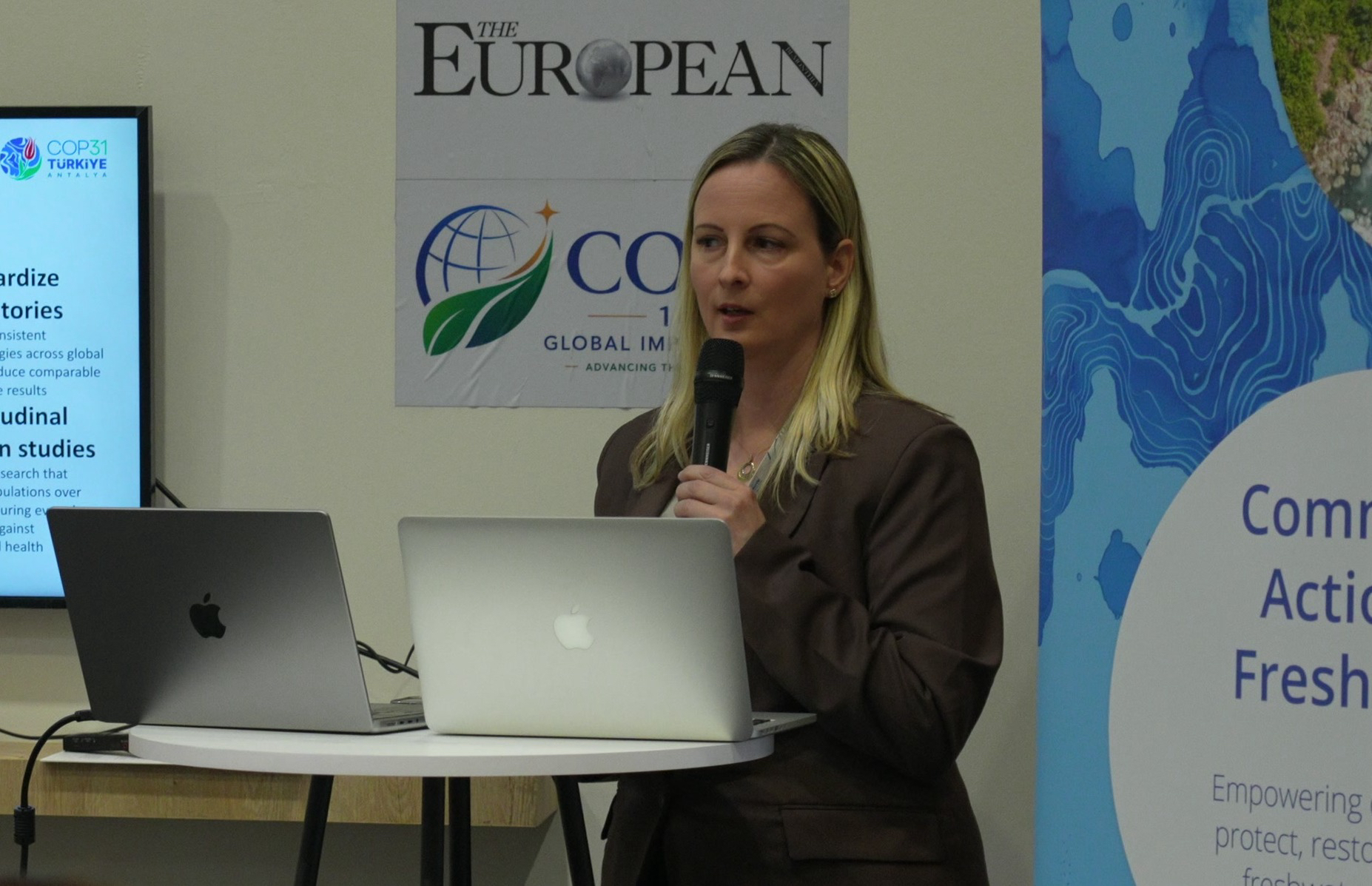
Szalayová cited the Italian and Chinese work in her talk, "Beyond the Visible: Micro- and Nanoplastics, Women's Health, and Reproductive Risks." The findings, she said, do not yet show that the particles cause a reduced egg supply or that a woman with a higher measured level will be unable to conceive. About one in six people experience infertility in their lifetime, the World Health Organization estimated in 2023. Whether, or how much, everyday exposure to plastic particles contributes to infertility in humans is not known, Szalayová added: "The simple answer is of course we don't know yet."
Laboratory models have shown plastic particles damaging the cells that support a developing egg, Szalayová noted, but they cannot show what everyday exposure does to a woman's health. Research still has to establish which particles matter most, at what exposure and at which stages of life. She called for studies that follow people over time and measure exposure carefully, and for laboratories whose results can be compared, "because right now that is not happening."
One open question she raised concerns the particles' electrical properties, which she said have been studied far less than their size, shape and chemical additives. Answering a question from the audience, she described a hypothesis that some plastics become positively charged through friction and could interact with the negatively charged outer surface of human cell membranes, disrupting them and entering cells. She called the idea "very hypothetical" and in need of study.
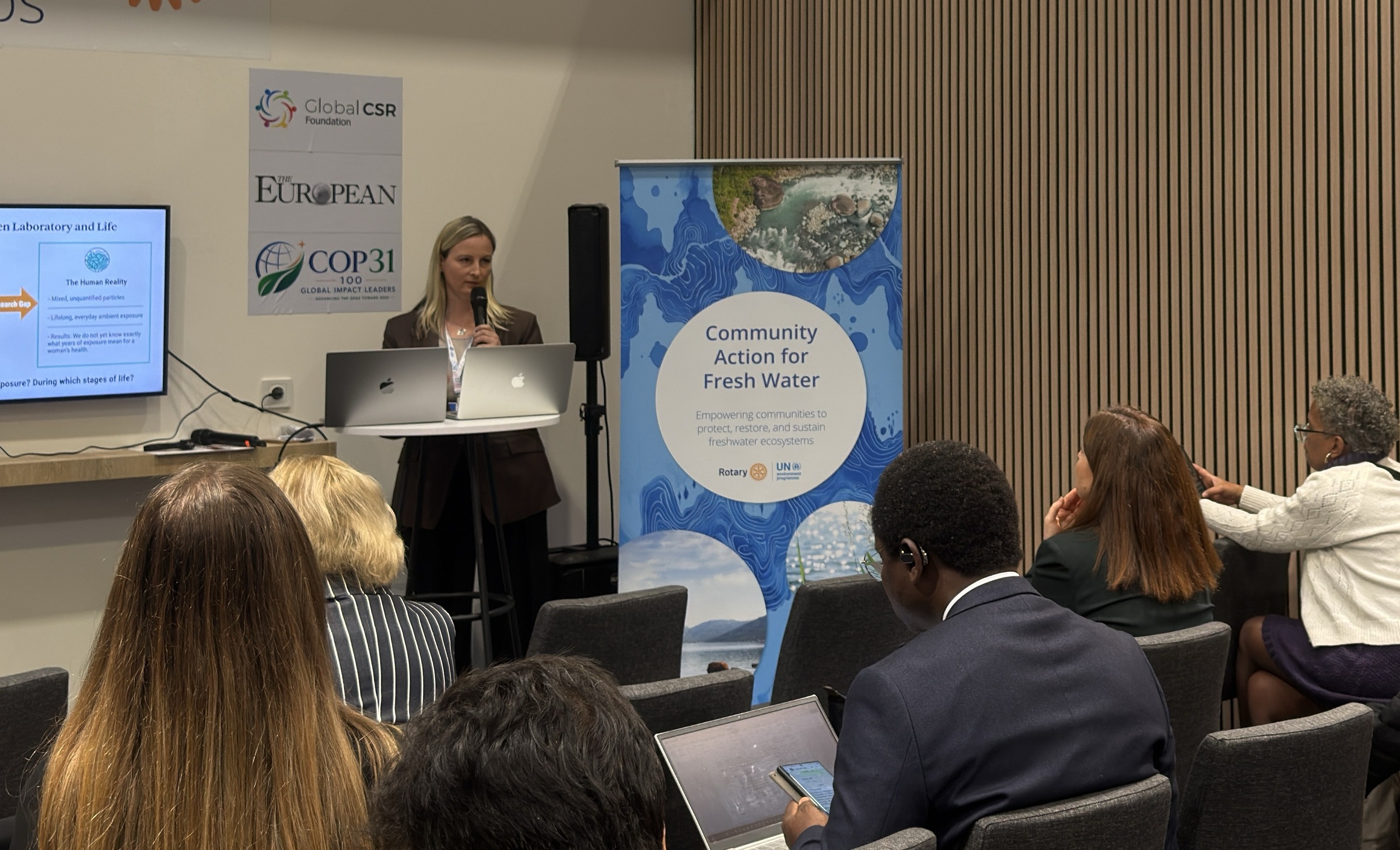
She also outlined the work of the ALLATRA Global Research Center itself. Its scientific team has published a report, "Nanoplastics. A Systematic Risk Analysis for Human Health, Ecosystems, and the Environment," that brings together research from different disciplines. Medicine needs better exposure measurements, she said, and policymakers need evidence they can use.
Szalayová closed by returning to the woman she had asked the audience to picture at the start: one who hopes to have a child and can follow every recommendation her doctors give, but cannot choose the air at her workplace or what enters her water supply. It is not yet possible to tell such a woman what lifelong exposure means for her fertility or a future pregnancy, Szalayová said, "but we can decide how seriously we will work to find out."
Sources
 By Nika Kulpin and Andreja Jezernik

Medical Disclaimer: This content is provided for general informational and educational purposes only. It is not medical advice and should not be used as a substitute for professional medical advice, diagnosis, or treatment. Always consult a qualified healthcare professional regarding any medical condition, concern, symptom, or treatment decision.