Geologists Find Two Unstable Slopes on the Move Above West Greenland's Fjords
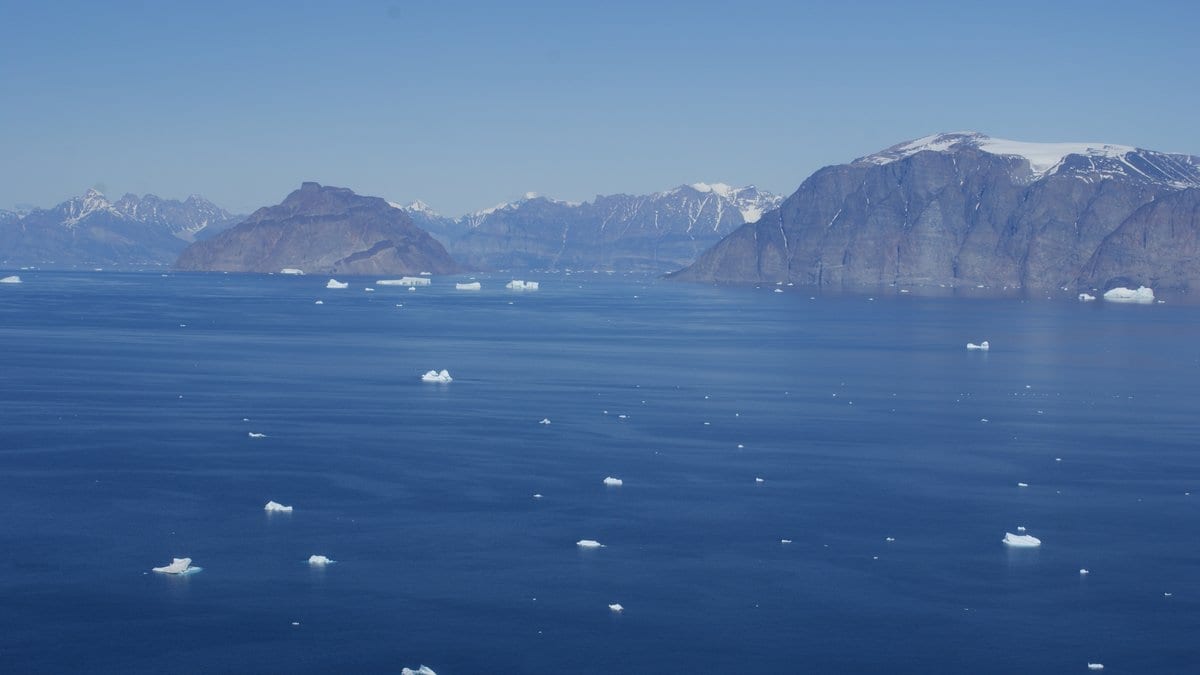
Two unstable slopes are actively deforming above the Uummannaq Fjord system in central West Greenland, geologists report in a study published Oct. 28, 2026, in Communications Earth & Environment. Both were found after the 2017 Karrat landslide and tsunami prompted closer surveys of the region.
Landslides that drop into a fjord or a lake can generate tsunamis reaching communities far from the slide. The paper places both of these slopes in that hazard class, and concludes that its findings underline the importance of the monitoring and risk-mitigation work of local authorities in a region changing this fast.
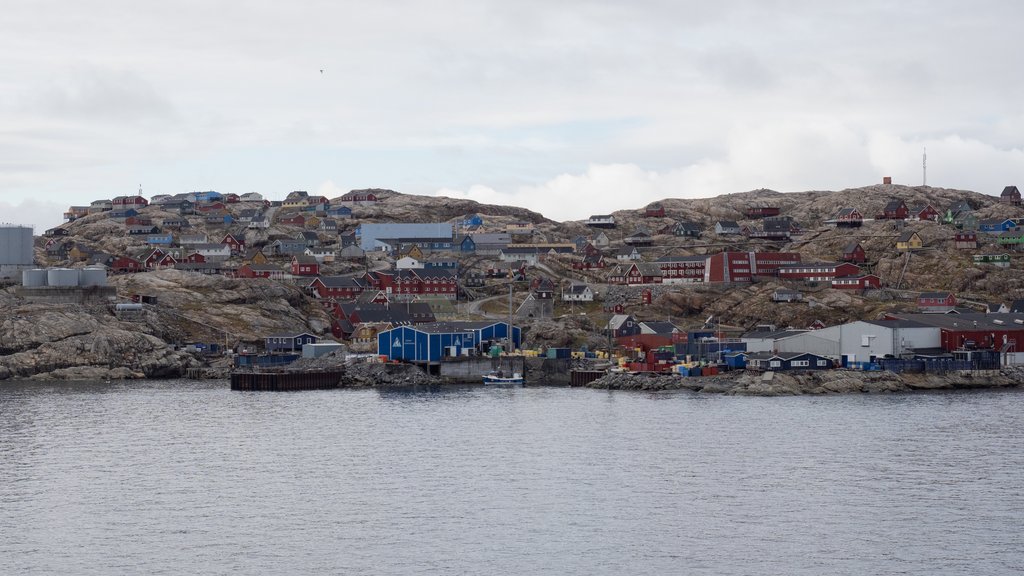
The larger slope, in Karrat Fjord, holds about 400 million cubic meters of rock; the smaller one, in Kangerluarsuk Fjord, about 30 million cubic meters. Both volumes are the authors' own estimates, with the smaller Kangerluarsuk slope the more imminent of the two.
Computer simulations in the paper indicate that a collapse of the Karrat slope would produce a tsunami affecting the entire fjord system. That collapse is a simulated scenario; the slope has not failed.
Permafrost degradation, the thaw of ground that normally stays frozen year-round, is cited as the likely driver of the movement rather than an established cause. The researchers describe the slopes as an emerging hazard they expect to worsen as the Arctic continues to warm.
Marie Keiding of the Geological Survey of Denmark and Greenland led the work with colleagues there, at the Norwegian Geotechnical Institute in Oslo, and at the engineering consultancy NIRAS. The paper reports no external funding and credits collaboration with the Government of Greenland's landslide section.
Sources
- Communications Earth & EnvironmentPeer-reviewed