A Southern Ocean Layer That Grew Fresher for Decades Is Now Turning Salty
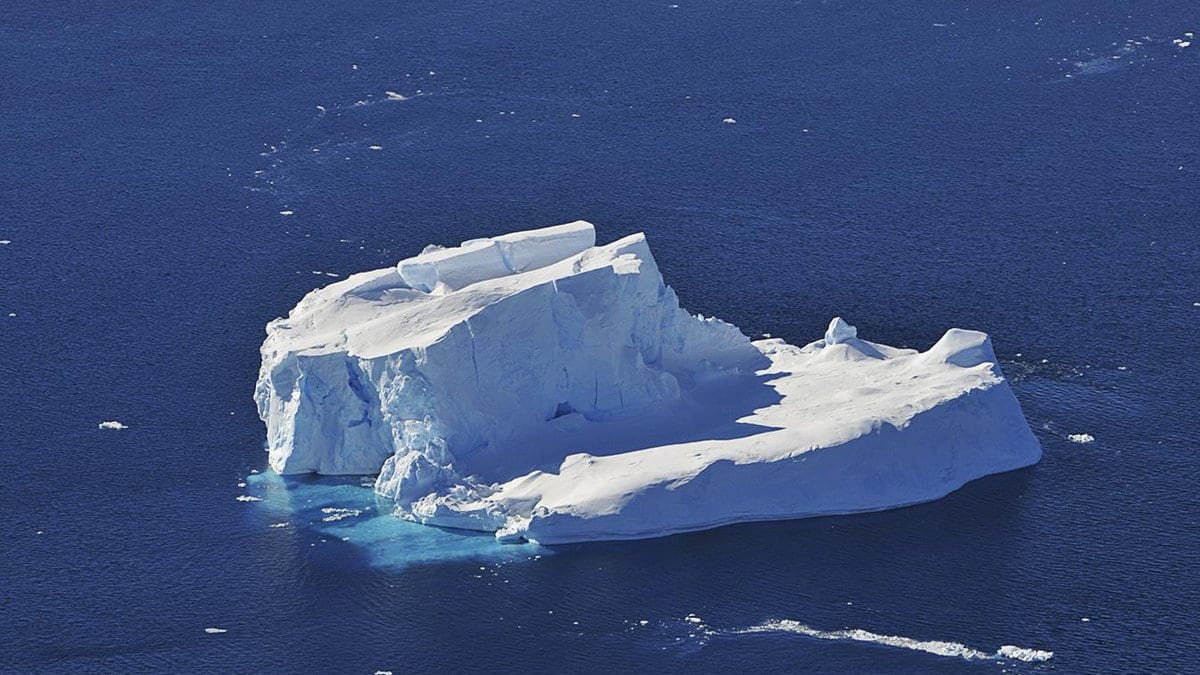
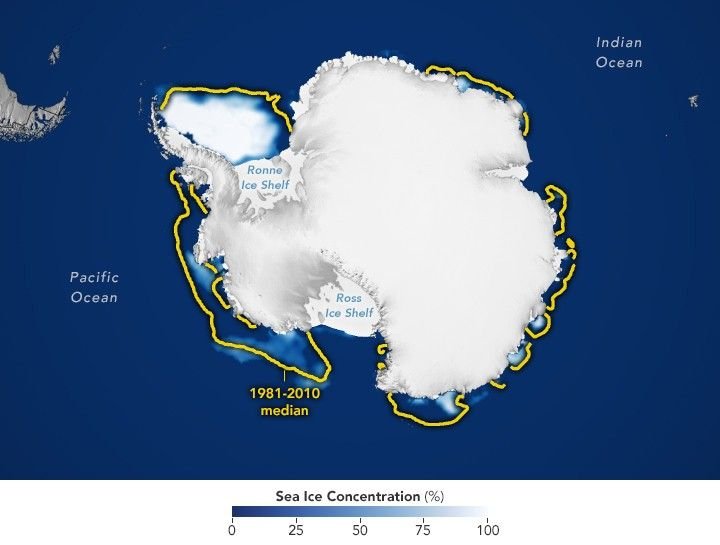
Antarctic Intermediate Water, a mid-depth layer of the Southern Ocean that had grown steadily fresher for decades, is now turning saltier and denser. In a paper published Oct. 28, 2026, in Nature Climate Change, Kaushik Mishra, Bishakhdatta Gayen and Alberto C. Naveira Garabato report that the freshening reversed after 2015, and they attribute the switch to record losses of Antarctic sea ice since 2016.
The study describes the layer as a key component of the global overturning circulation, the slow loop that carries heat, carbon and nutrients between the ocean basins. The same layer is a major regulator of the pycnocline, the depth band where water density changes fastest, which sets how easily surface water and deep water mix. The layer's decades of freshening came from the ice itself. As sea ice expanded over several decades, summer melt added fresh water to the polar surface ocean, stacking the upper layers more firmly and leaving the water mass that forms beneath them fresher.
The team worked from the Argo fleet of drifting ocean floats, with satellite and reanalysis data in support. Its estimate is that the meltwater that sea ice delivers to the polar ocean is now falling by nearly 36 millisverdrups per decade, a measure of water flow, against a rise of 14 per decade before 2016. The core of the water mass has grown saltier at 0.0048 grams of dissolved salt per kilogram of seawater per decade.
The authors stop short of calling the new state settled, describing the shift as on course to alter water-mass properties across the Southern Hemisphere, and the hemisphere-wide reshaping of the pycnocline as underway rather than finished. The reversal itself is in the observations; the chain from ice loss to a saltier, denser layer is their reading of it.
Every dataset behind the analysis is public, from the Argo float products to satellite records of sea-ice cover, drift and thickness, and the authors have posted the code that produces the paper's figures on GitHub.
Sources
- Nature Climate ChangePeer-reviewed