Gene Therapy for an Inherited Eye Disease Improves Dim-Light Vision, Company Says
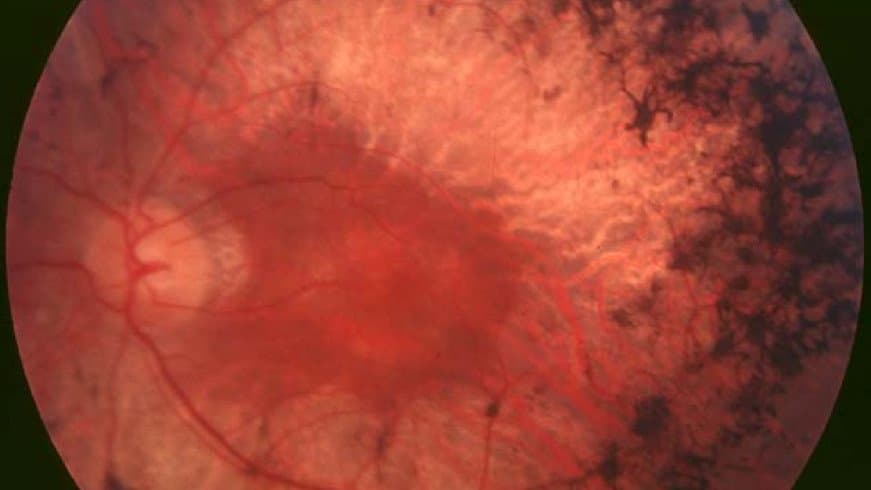
Beacon Therapeutics said on Sept. 21 that its experimental gene therapy for X-linked retinitis pigmentosa, an inherited eye disease with no approved treatment, met the main goal of a controlled trial in 85 boys and men aged 12 to 48.
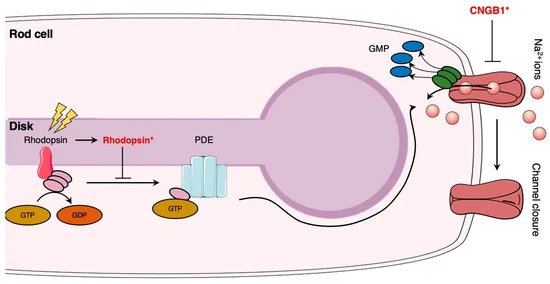
The disease destroys the light-sensing cells of the retina, usually starting in childhood, and takes away night and low-light vision first. The therapy, laruparetigene zovaparvovec, or laru-zova, is a single injection under the retina. It carries a working copy of RPGR, the gene that is faulty in the disease.
The trial, called VISTA, measured how well participants could read an eye chart in dim light. In its release, Beacon reported that after a year 31.0% of participants on the higher dose and 24.1% of those on the lower dose could read at least 15 more letters in dim light than at the start, that no one in the untreated comparison group improved that much, and that both results were statistically significant. Beacon's figures are a summary released ahead of the full data, which has not been published or reviewed by outside scientists and is due at an ophthalmology meeting in New Orleans in October.
Beacon said the side effects seen in the trial were mostly mild to moderate, affected the eye, and were largely attributed to the surgery that delivers the injection rather than to the therapy itself. Two serious eye events occurred, and the company attributed both to the procedure.
Beacon calls VISTA the first late-stage trial in this disease to meet its main goal. "This is the first pivotal study of a potential treatment for XLRP to achieve its primary endpoint with statistical significance," said Jason Menzo, chief executive of the Foundation Fighting Blindness, a patient group quoted in the company's release.
Laru-zova is not approved by any regulator. Beacon said it plans to begin a rolling licensing application in the United States later in 2026.
Sources

Medical Disclaimer: This content is provided for general informational and educational purposes only. It is not medical advice and should not be used as a substitute for professional medical advice, diagnosis, or treatment. Always consult a qualified healthcare professional regarding any medical condition or treatment decision.