Building China's Clean Power System Has a Carbon Cost of Its Own, Study Finds
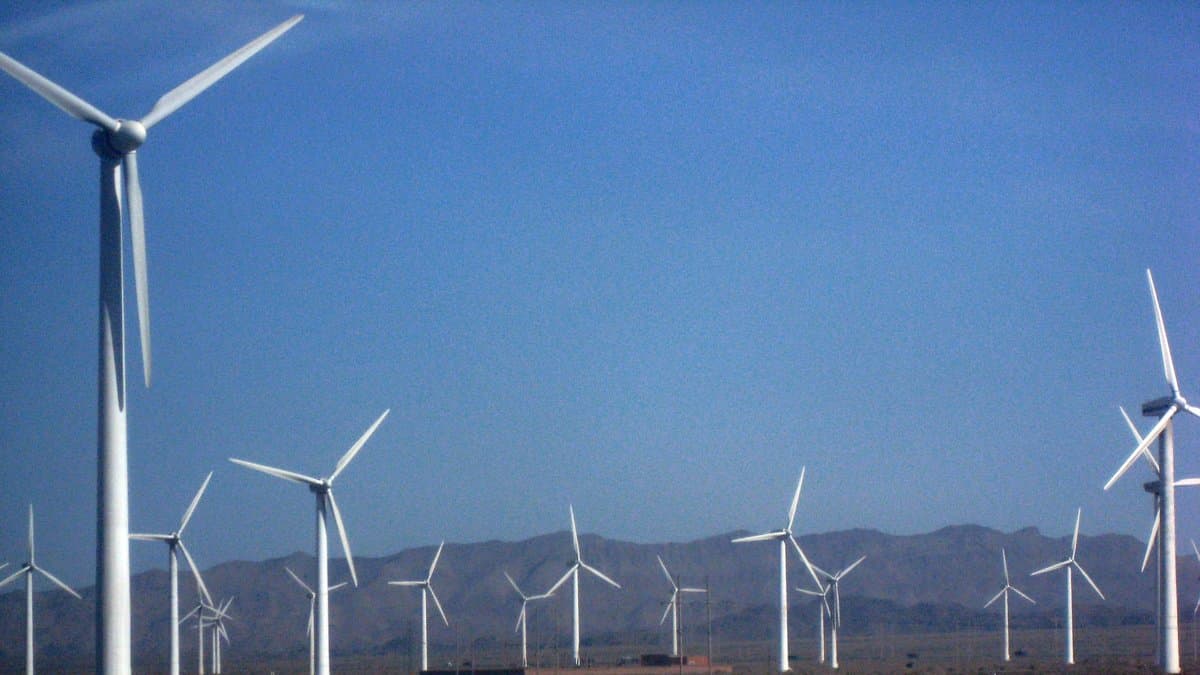
Building the power plants and grids that China would need to meet stricter climate targets releases more carbon dioxide during construction than a business-as-usual expansion would, according to a study published Sept. 22, 2026, in Communications Earth & Environment.
Zewen Ge of Xiamen University Tan Kah Kee College and colleagues built a province-level framework to count emissions they say have been poorly pinned down: the carbon released in making and installing the hardware, as distinct from what the finished plants emit while running. They applied it to China's power infrastructure through 2050, under a business-as-usual pathway and two mitigation pathways, one consistent with holding warming to 2 °C and one with reaching carbon neutrality.
The authors report cumulative construction-phase emissions of 4.10 billion metric tons of carbon dioxide under business as usual, against 6.53 to 7.03 billion metric tons under the two mitigation pathways, with national annual emissions peaking in the 2030s. Those totals cover power generation infrastructure and count only the build-out itself, not the emissions the new low-carbon capacity is meant to displace once it is running.
The cost is concentrated rather than spread. More than 70% of the cumulative total falls in ten provinces, with Inner Mongolia and Xinjiang consistently at the top. Because the framework works province by province, it also shows where the emissions land, not only how large they are.
Ge and colleagues conclude that cutting electricity demand, using less material and reusing more of it will be needed alongside cleaner generation if the expansion is to fit inside tight carbon budgets. The paper is open access, and the journal is posting the accepted manuscript ahead of a final edited version.
Sources
- nature.comPeer-reviewed