FDA Puts a Hunter Syndrome Gene Therapy on Hold After Spine Scan Findings
The U.S. Food and Drug Administration has placed a clinical hold on RGX-121, an experimental gene therapy for Hunter syndrome, and its developer says it no longer expects to resubmit the licensing application in the near term. REGENXBIO Inc. disclosed the hold in a release dated Aug. 24 from Rockville, Md.
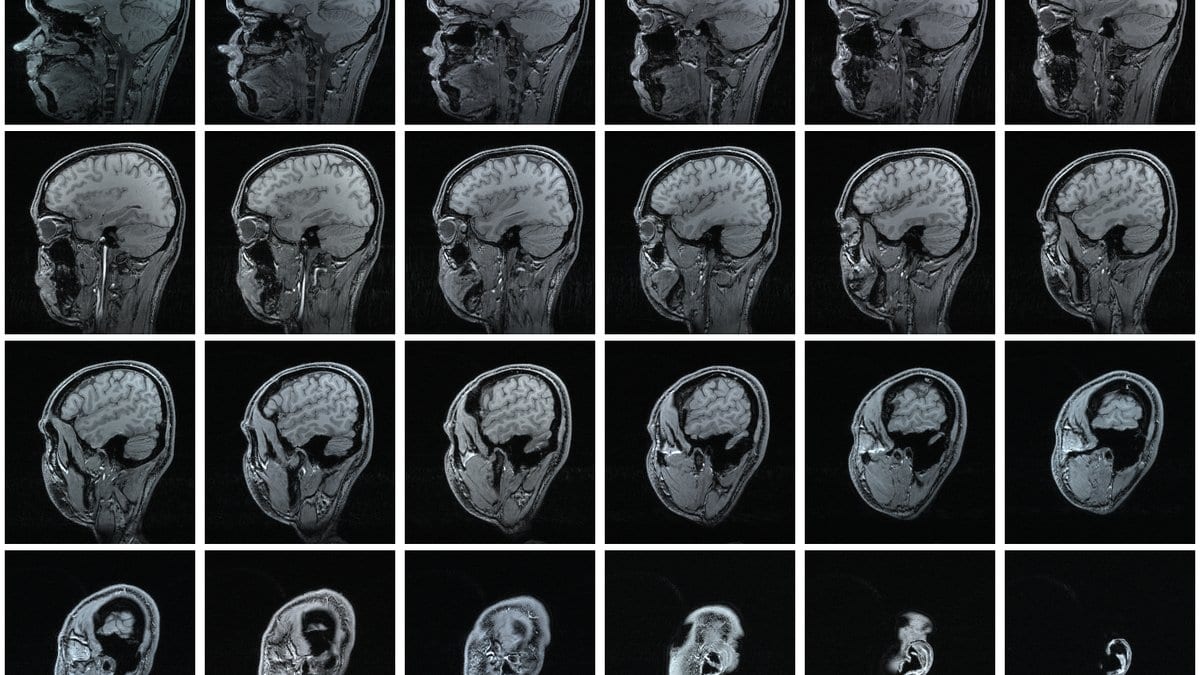
The company says the agency acted after spine MRI scans turned up findings in five participants in its CAMPSIITE study: either a small nodule or a small cystic mass, in people who had received RGX-121 roughly three to six years earlier, given by injection into the fluid-filled spaces of the brain. No nodules or masses were found on any of the brain scans, the company says.
REGENXBIO says investigators judged the findings nonserious and radiologists believe they are likely benign, though the same release states there is "no clinical or pathological evidence to confirm the nature or causation of the spine MRI findings." All five participants continue to do well clinically, the company says, with stable or improved scores on neurocognitive and neurobehavioral assessments.
The scans came from an expanded MRI monitoring plan the company says it put in place a few months ago, after a clinical hold on RGX-111, a related therapy for a different disorder. Spine MRI is not routinely performed for these patients, REGENXBIO says, so how often such findings occur and what they mean is unknown. Investigators plan to keep imaging the participants periodically.
Chief executive Curran Simpson said in the release that the company believes the findings are "unique and limited to our Hunter Syndrome program."
The FDA has published nothing of its own about the decision. REGENXBIO says it has not yet received the full clinical hold letter and will fold the agency's feedback into next steps with its partner NS Pharma.
Hunter syndrome, or mucopolysaccharidosis type II, is an inherited disorder in which cells cannot break down certain long sugar chains. REGENXBIO puts the number diagnosed worldwide at about 2,000, with more than 500 babies born with it each year.
Sources

Medical Disclaimer: This content is provided for general informational and educational purposes only. It is not medical advice and should not be used as a substitute for professional medical advice, diagnosis, or treatment. Always consult a qualified healthcare professional regarding any medical condition, concern, symptom, or treatment decision.