MERS Virus Found in Every Sick Camel Tested in a Kazakhstan Outbreak
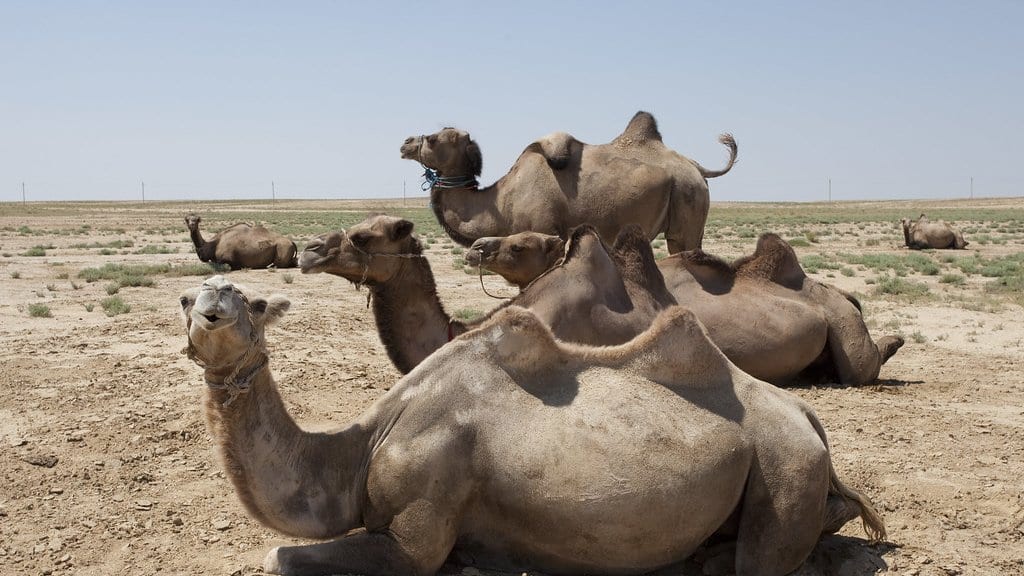
Every one of 38 sick camels swabbed during a respiratory outbreak in southwestern Kazakhstan tested positive for the MERS coronavirus, Aidyn Kydyrmanov, Kobey Karamendin and colleagues at the Research and Production Center for Microbiology and Virology in Almaty report. No human cases of MERS were identified in connection with the outbreak.
MERS is a coronavirus, carried mainly by camels, that can cause severe respiratory disease in people. The findings appear in a dispatch published Oct. 16, 2026, in Emerging Infectious Diseases, the U.S. Centers for Disease Control and Prevention journal. The authors write that the detection extends the documented geographic range of active MERS coronavirus circulation into Central Asia and points to a need for expanded surveillance of the region's camel herds.
Herders in the Mangystau region reported respiratory illness across multiple herds in late November 2025. Over Dec. 1–18, 2025, the team swabbed the noses and throats of 38 camels showing symptoms in several settlements, and every sample carried MERS coronavirus RNA on both PCR tests used. The animals were picked because they were visibly ill, and the 38 tested were about 1.2% of the 3,190 camels registered in the affected district, so the count says nothing about how widespread the virus is in camels generally.

The team sequenced one complete genome and four spike gene sequences. The genome sat in a MERS lineage called B5, alongside camel viruses from Saudi Arabia and Egypt. The spike sequences placed the Kazakh viruses in a branch of it, B5-2023.4, with camel viruses now circulating in Saudi Arabia. The authors state that the genetic data support no conclusion about how transmissible these viruses are, or about which direction the virus moved.
Earlier testing in Kazakh camels had not found it: molecular tests on healthy animals from the same population in 2020 came back negative.
Follow-up swabs taken from previously affected herds about four months later were all negative. The outbreak ran through below-freezing weather, in contrast to the warmer-month peaks often reported where the virus is well established.
Sources

Medical Disclaimer: This content is provided for general informational and educational purposes only. It is not medical advice and should not be used as a substitute for professional medical advice, diagnosis, or treatment. Always consult a qualified healthcare professional regarding any medical condition, concern, symptom, or treatment decision.