Chemists Preferred an AI's Plans for Making Molecules to the Published Ones
A team led by Microsoft Research published a retrosynthesis model called RetroChimera in Nature on Sept. 21, 2026, and released its code and trained weights the same day on GitHub under the MIT license. In the paper's own comparisons, organic chemists preferred the model's suggested reactions to the reactions recorded in the chemical literature for the same target molecules.
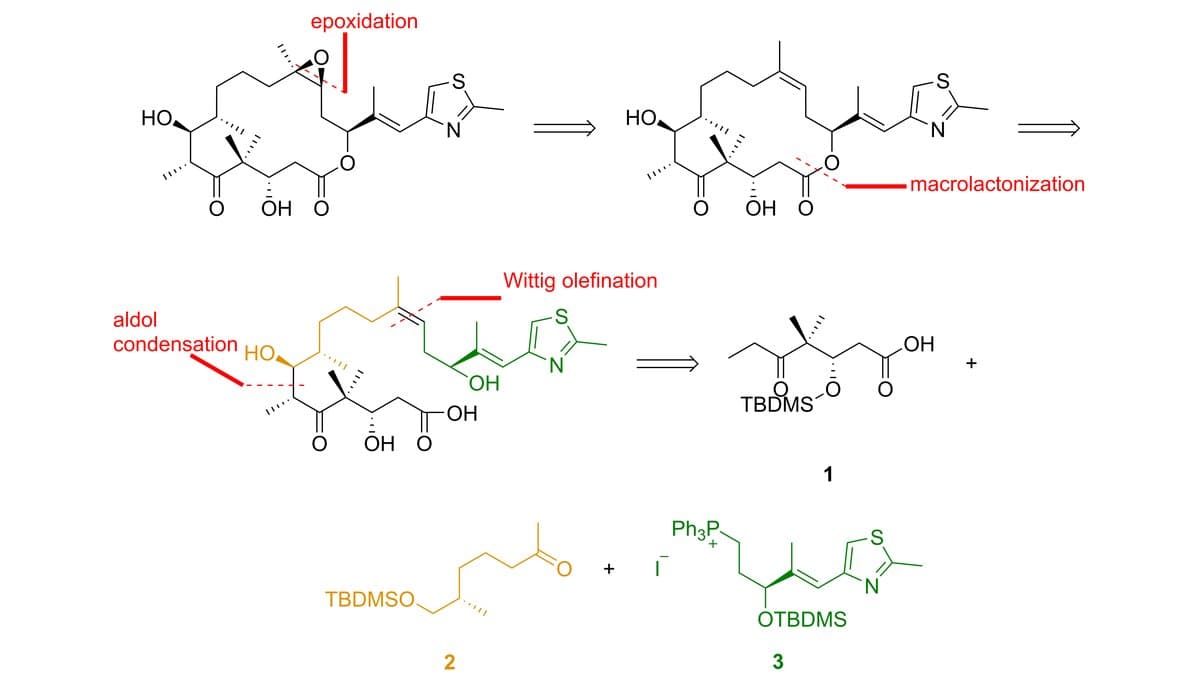
Retrosynthesis is the planning that comes before a molecule is made: it starts from the compound a chemist wants and works backward, breaking it into simpler pieces until it reaches material that can be bought. Microsoft Research describes that planning as still largely manual, time-consuming and costly; it calls that a significant driver of drug development costs.
The authors report that chemists judged the model in two ways: comparing candidate reactions side by side, and rating single reactions on their own. In both, the chemists preferred RetroChimera's predictions to the published reference reactions and to those of other AI models. Microsoft Research describes the assessments as blind tests. What was measured is which suggestion a chemist rates more highly on paper, not a record of reactions carried out in a lab.
RetroChimera combines two systems that are good at different kinds of reactions: one writes out the starting materials directly; the other picks a known reaction pattern and decides where to apply it to the target. A learned ranking step decides how much to trust each of them.
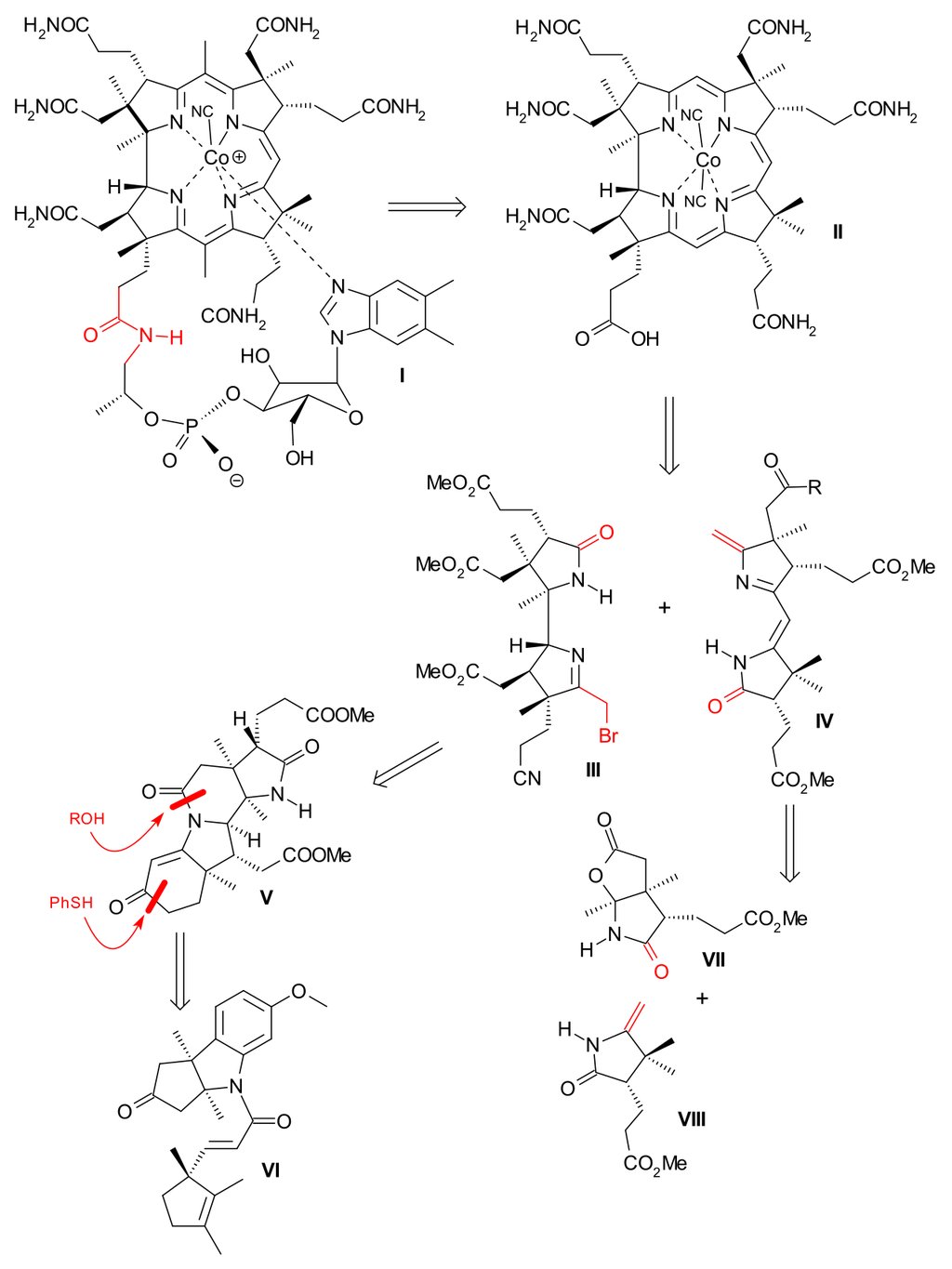
Microsoft Research's own summary of the paper's figure says that chemists accepted the model's complete routes for nine of ten difficult targets, and that the strongest comparison model managed five.
The authors also report testing the model on internal datasets from "two major pharmaceutical companies," both without retraining and after fine-tuning.
Sources
- doi.orgPeer-reviewed
- microsoft.com