Where You Replant a Forest May Matter as Much as How Much

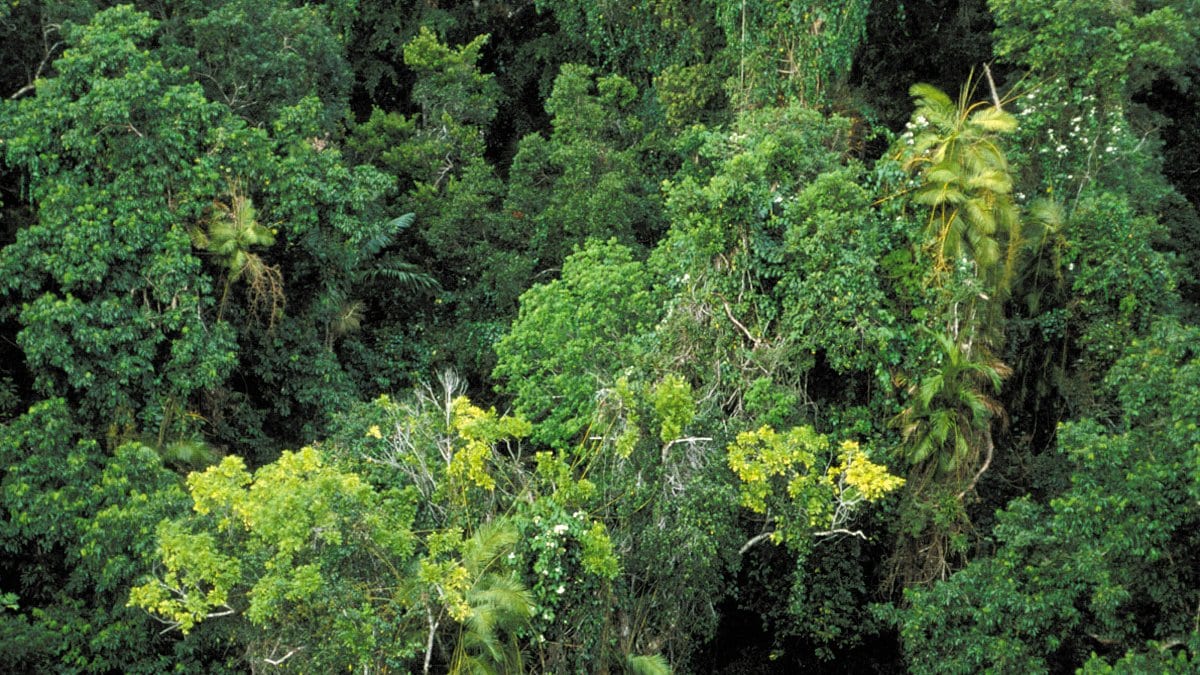
A rainforest is, among other things, a machine for moving water. Roots pull moisture from deep in the soil, leaves breathe it into the air, and the vapor drifts downwind to fall again as rain somewhere else, sometimes hundreds of kilometers away. Clear the forest and you don't just lose the trees; you throttle that conveyor, and the drying can reach far beyond the cut. The land downwind, which never lost a tree of its own, gets less rain.
That plumbing is the premise behind a study published July 15 in Nature Climate Change by Shuai Ma, Ellison, Staal, the Teuling group and colleagues, titled "Targeted tropical forest restoration can offset deforestation-induced water flux losses." Its argument sits in the title: restoration aimed at the right places can compensate for the water that deforestation drains from a landscape. The operative word is targeted. Replanting is not treated as an undifferentiated good measured only in hectares or tonnes of carbon; the study frames where you put a restored forest as a decision that governs whether the water cycle recovers.
The mechanism the work builds on is well established, even if this particular result is new. That forests recycle precipitation, and that clearing them dries downwind regions, has been documented independently: the Teuling group showed in Nature Geoscience how land-atmosphere feedbacks shape regional water availability, and separate work in Nature has traced how tropical deforestation reduces rainfall. What this study adds is the flip side: that restoration, placed with the water cycle in mind, can push in the opposite direction and recover flux that clearing took away.
The reframing is the point. Most of the public conversation about planting trees runs on the carbon ledger: a forest is a sink, and more forest means more carbon drawn down. That accounting is real, but it is incomplete. A forest is also a hydrological actor, and its influence on where rain falls is not captured by counting carbon at all. Read that way, restoration becomes a tool for managing water (for buffering the droughts that deforestation can worsen downwind) and not only a climate offset. Two regions could plant the same number of trees and get very different water outcomes depending on where those trees go.
Ultimately, the study's central conclusion is that well-sited restoration can effectively offset these water-flux losses. Where you replant may matter just as much as how much, because a forest's job includes moving water, and water has an address.
Sources
- Nature Climate ChangePeer-reviewed