For a Month, an Ethiopian Volcano Vented Methane Like a Blown-Out Gas Well

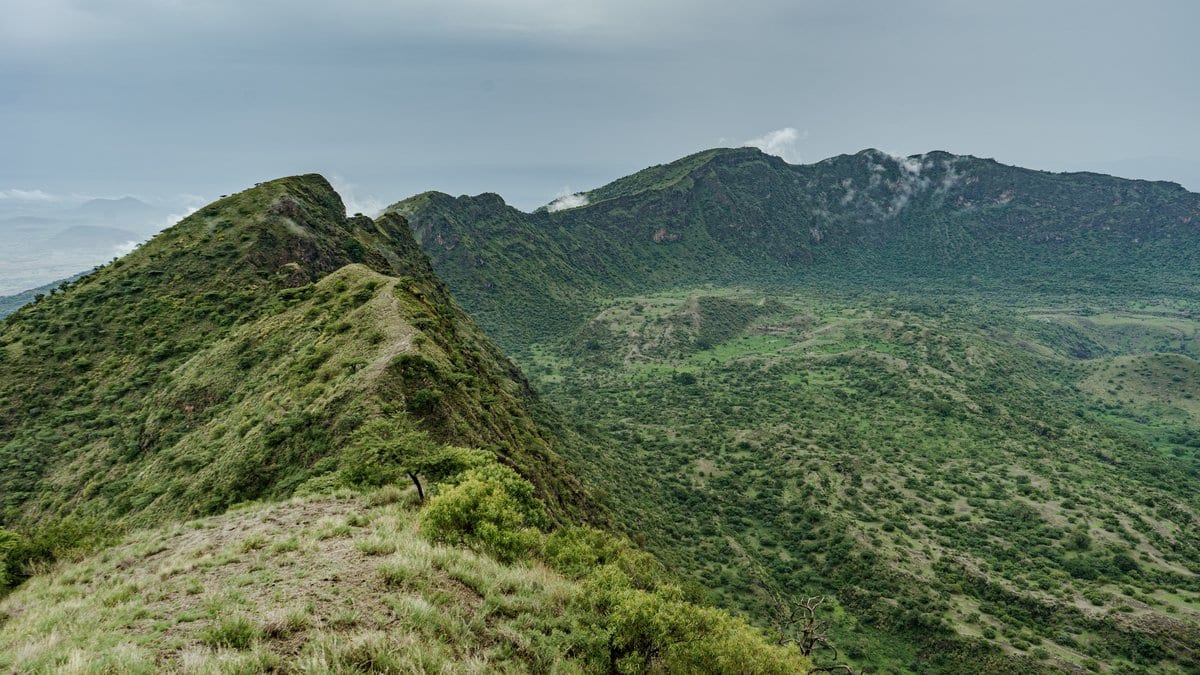
Early in 2025, a European monitoring service that scans satellite data for methane escaping from pipelines and gas fields flagged a plume over the Ethiopian highlands. It was big, and it was over the wrong kind of place: Fentale Volcano, which last erupted around 1810 and was not erupting now. Volcanoes give off carbon dioxide and sulfur dioxide in quantity, but methane is only a trace in volcanic gas, and the rate over Fentale was roughly four orders of magnitude above anything measured at other volcanic systems.
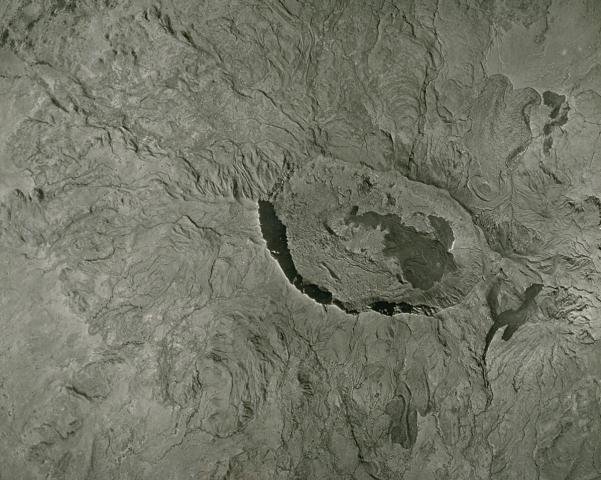
What came out of the mountain, and where it came from, is set out in a paper published Nov. 19, 2026, in Nature Geoscience by Edna Dualeh, a senior research associate at the University of Bristol, and colleagues at institutions in eight countries. "The observation of a methane outburst from a volcano was a complete surprise," Dualeh said in a statement released by the university. SRON, the Netherlands space research institute that saw the plume, asked the satellite firm GHGSat to look closer and passed word to the Bristol group, which was already watching Fentale because of an earthquake swarm.
The trigger was underground. On Dec. 17, 2024, magma began forcing its way through the crust near Fentale and ran about 50 kilometers north before the end of the month. It carried roughly 1.4 cubic kilometers of molten rock, a volume the paper takes from a companion study rather than measuring itself, and none of it reached the surface.
Methane appeared a few weeks later. On Jan. 19, 2025, a methane-sensing instrument aboard the European Space Agency's Sentinel-5P satellite recorded a strong plume southwest of the volcano, which the team converts to an emission rate of 157 metric tons an hour. Between that day and April 9, 2025, Fentale released at least 38.2 kilotons of methane, nine-tenths of it inside the first month. That month works out at 1,090 metric tons a day, and the comparison the authors reach for is industrial rather than geological: the Aliso Canyon well failure in California, the worst methane leak in United States history, averaged 866 metric tons a day.
Then it faded. Through March and April 2025, the volcano was giving off 0.2 to 5.0 metric tons a day, thousands of times less than in January, a decline the authors read as a pressurized reservoir emptying out. One thing interrupted the fall. On Feb. 14, 2025, part of the floor of the caldera, the bowl at the volcano's summit, dropped during a deep earthquake, and the methane ticked back up.
The carbon dioxide went faster. Over 14 days in February 2025, the satellites measured more than 2.9
megatons of it, which the authors call the largest carbon dioxide release yet measured from a volcano that was not erupting. In the optical images a white cloud of condensed water droplets hugs a hollow in the caldera floor, and the team took its low, pooling shape as a sign that the gas carrying it was rich in carbon dioxide.
The magma did not make the methane
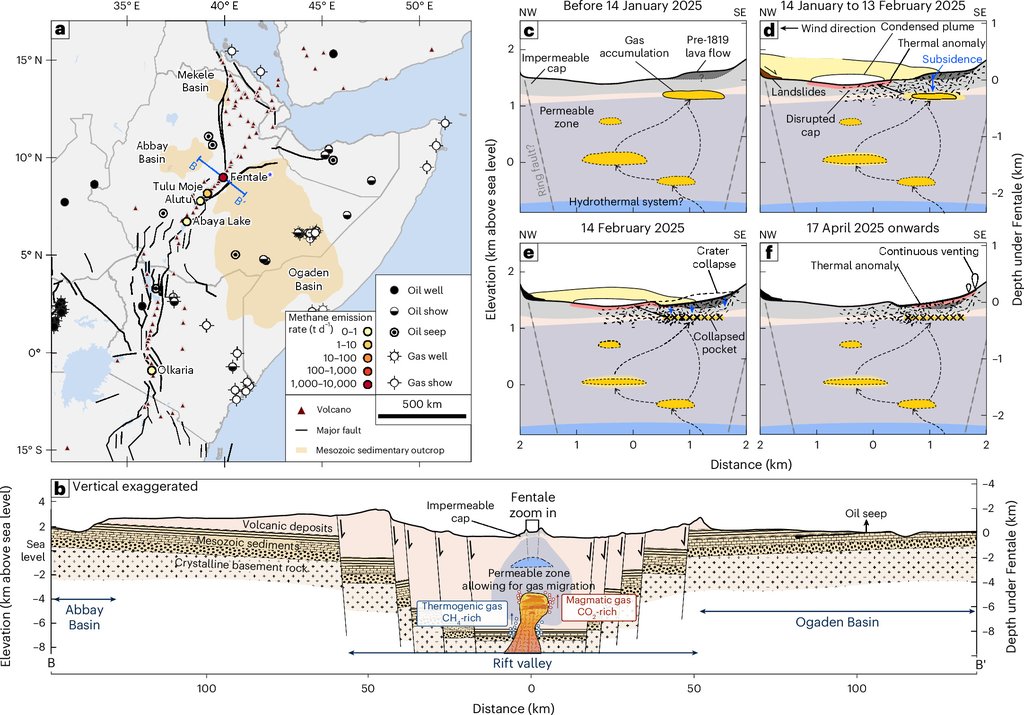
Fentale stands in the Main Ethiopian Rift, which opened across sedimentary basins laid down in the age of the dinosaurs. Those rocks, a few kilometers down, hold oil and gas, and companies have prospected them. Heat from magma pushing into them over geological time, the authors propose, cooked their organic matter into methane, and a layer of impermeable rock kept it there until the magma arrived in December.
That chain is an inference, and the paper says so plainly. Nobody has measured the carbon isotopes of Fentale's gas, which is the test that would show where it formed. The team leans instead on indirect evidence: isotope values from other East African Rift volcanoes, which fit an origin in sediments; the known geology of the basins; and an argument from sheer quantity, since methane made by magma itself arrives with so much more carbon dioxide that the carbon dioxide at Fentale would have had to be orders of magnitude larger than what the satellites saw. The authors ask for measurements on the ground.
The seal had held since about 1810
Other rift volcanoes nearby leak methane continuously along faults, at a slow background rate. At that rate, the authors calculate, the amount Fentale let go in 2025 would take 100 to 200 years to accumulate — roughly the interval since its last eruption, around 1810. Their reading is that the system sealed itself soon after that eruption and stayed sealed through several smaller intrusions, until this one. Over long spans the totals come out much the same; what differs is whether the gas seeps or arrives all at once.
Nobody has been counting this
By the paper's reckoning the outburst is the largest methane release ever detected from a natural point source, and it is also less than 0.1% of what the oil and gas industry emits in a year. Both halves belong together, and the authors put them together themselves: "This single outburst is small compared with annual emissions from natural and anthropogenic sources, but demonstrates an unrecognized source of episodic methane emissions."
The reason an unrecognized source matters is partly the deep past. Simulations of the North Atlantic Igneous Province, the enormous volcanic episode that accompanied the opening of that ocean, produce enough methane cooked out of sediments to set off the abrupt global warming that ended the Paleocene epoch. What has been missing is a modern case of the same process, small enough to watch from start to finish. The East African Rift, the team argues, is one.
There is a nearer hazard as well. Methane and carbon dioxide are both invisible and odorless, both displace the oxygen in air, and the bowl of a caldera collects them. Nobody was hurt at Fentale, which has no one living in it, but earlier volcanic carbon dioxide outbursts of 0.05 to 1.2 megatons have killed hundreds to thousands of people, and other calderas along the rift have towns inside them.
How often rift volcanoes do this is unknown. The satellite that caught the first plume has only scanned the whole globe since 2018, and the air over Fentale, dry and almost cloudless, was unusually kind to it; an outburst somewhere wetter, or earlier, could have passed unseen. The methane figures have no outside check either — every instrument in the study was read by this one team, and no other group has published a measurement of what Fentale released. The derived data are open, so the next group to look will not have to start from the plume.
Sources
- Nature GeosciencePeer-reviewed
- Zenodo