Water in a Circular Economy: At Ecomondo 2026, What It Takes to Clean It and Use It Again
About this event
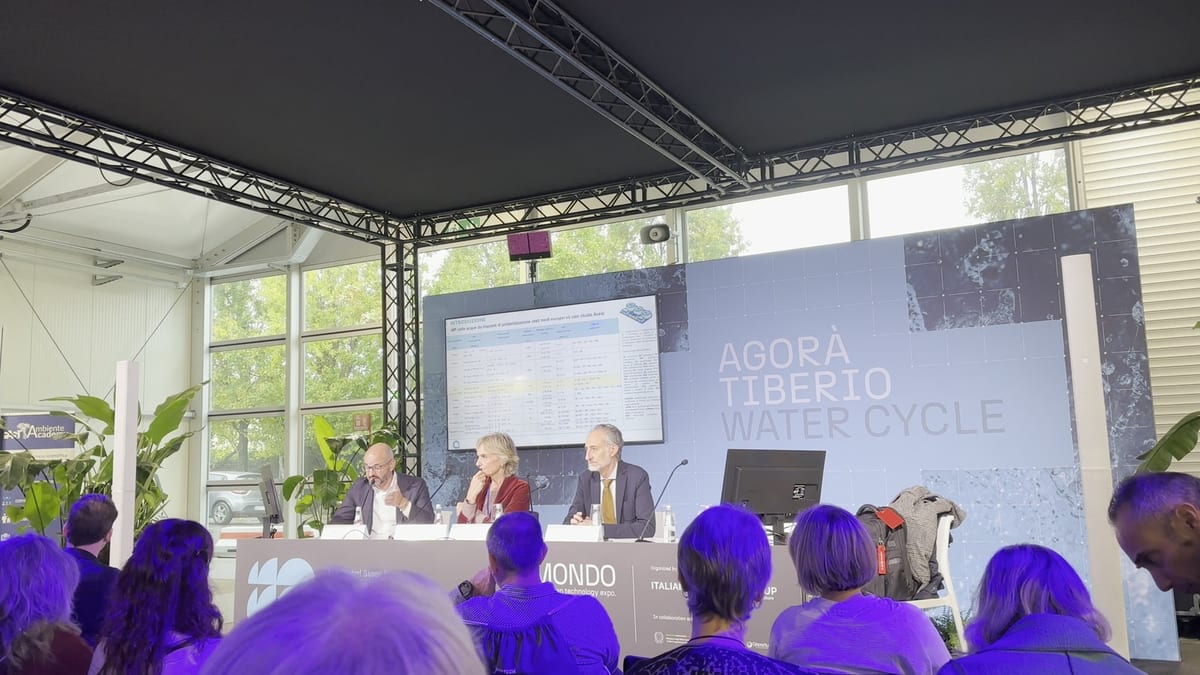
Ecomondo is an annual trade fair for the green, blue and circular economy, organized by Italian Exhibition Group. Its 29th edition took place Nov. 3–6, 2026, at the Rimini Expo Centre in Rimini, Italy, with more than 1,800 exhibiting brands, about 200 events and Mexico as its first official guest country, according to the organizer.
RIMINI, Italy — In a circular economy, water is used more than once: treated after use and sent back to rivers, fields and factories. That works only if what leaves a treatment plant is clean enough for its next use, and the list of what has to come out keeps growing, from farm nutrients to traces of medicines and particles of plastic. At Ecomondo 2026, researchers and officials described where that loop holds and where it still leaks.
A January 2026 report from the United Nations University's water institute argues that more river basins and aquifers are losing the capacity to recover, a condition it calls "water bankruptcy." In Europe, the 2024 recast of the urban wastewater directive requires member states to "systematically promote" the reuse of treated wastewater and adds a fourth treatment stage against micropollutants, which all plants serving the equivalent of 150,000 people or more must apply by the end of 2045.
An ALLATRA Media team spent three days at Ecomondo, a trade fair for the green, blue and circular economy organized by Italian Exhibition Group, which held its 29th edition Nov. 3–6, 2026, at the Rimini Expo Centre. Talking with researchers, public officials and people from the water industry on the fair floor, the team looked at what it takes to keep water clean enough to use again.
Water that has to be used twice
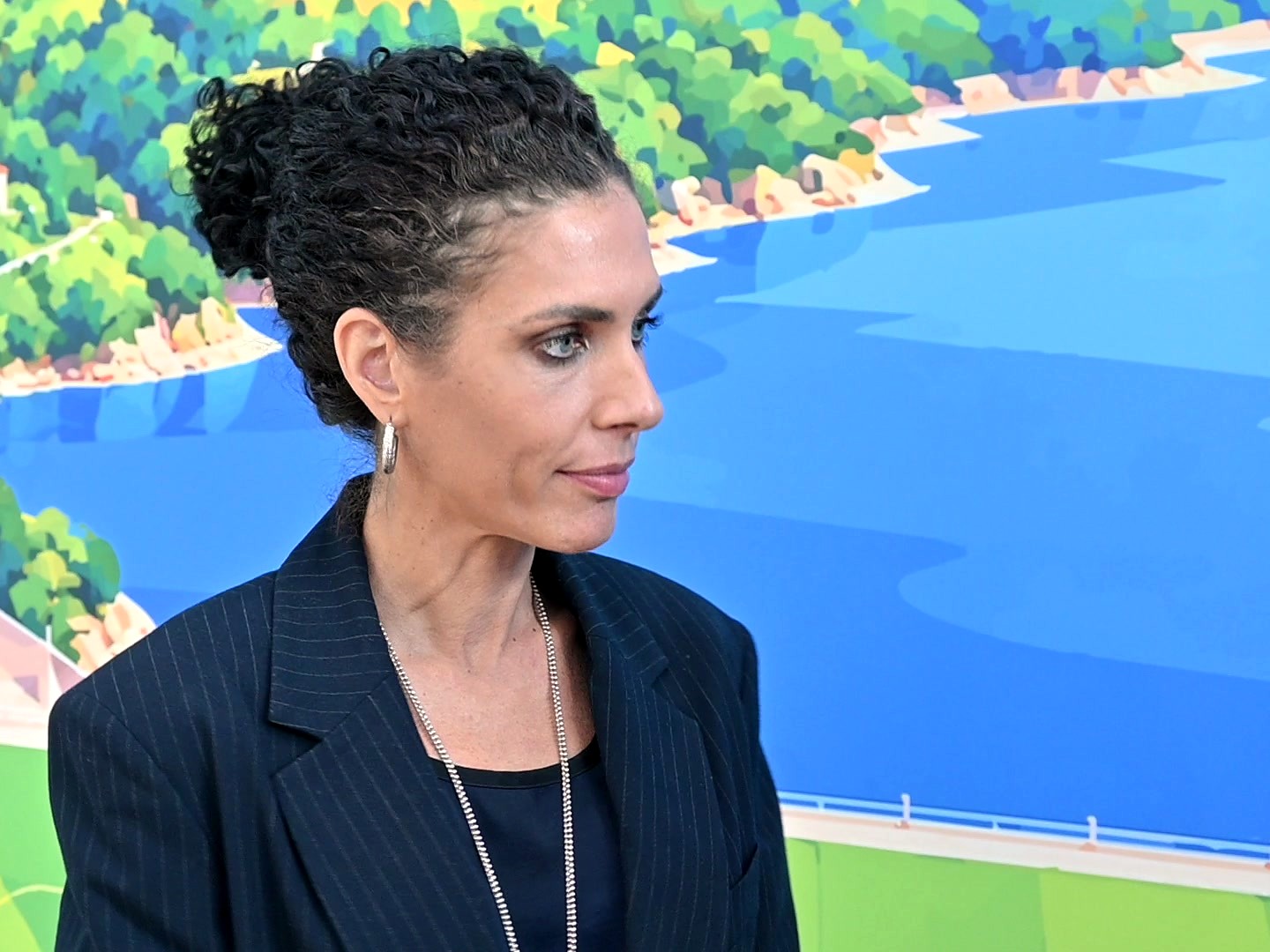
Claudia Pecoraro, the regional councilor for the environment in Campania, Italy, argued that one of the great challenges "we must set ourselves is linked to protecting the water sector." There is still no precise picture of how much groundwater the region has, she noted, and the answer she described is reuse: treated wastewater for industry and irrigation and recirculated water, including household water. "Today we have to start using unconventional sources of water," she pointed out.
Protecting water also means protecting rivers. Alessandro Delpiano, secretary general of the Po River Basin District Authority, said Italy's national recovery funds paid for giving the Po more room to flow naturally along 37 kilometers over three years, so it can absorb flood peaks and support biodiversity.
What treatment has to take out
Lorenzo Proia, a senior researcher at the BETA Technology Centre of the University of Vic in Catalonia, Spain, works on an EU-funded project, SEACURE, that targets excess nitrogen and phosphorus. Coming from agriculture and treatment plants, those nutrients travel down rivers to the coast, where the excess can damage ecosystems, a process called eutrophication, he explained.
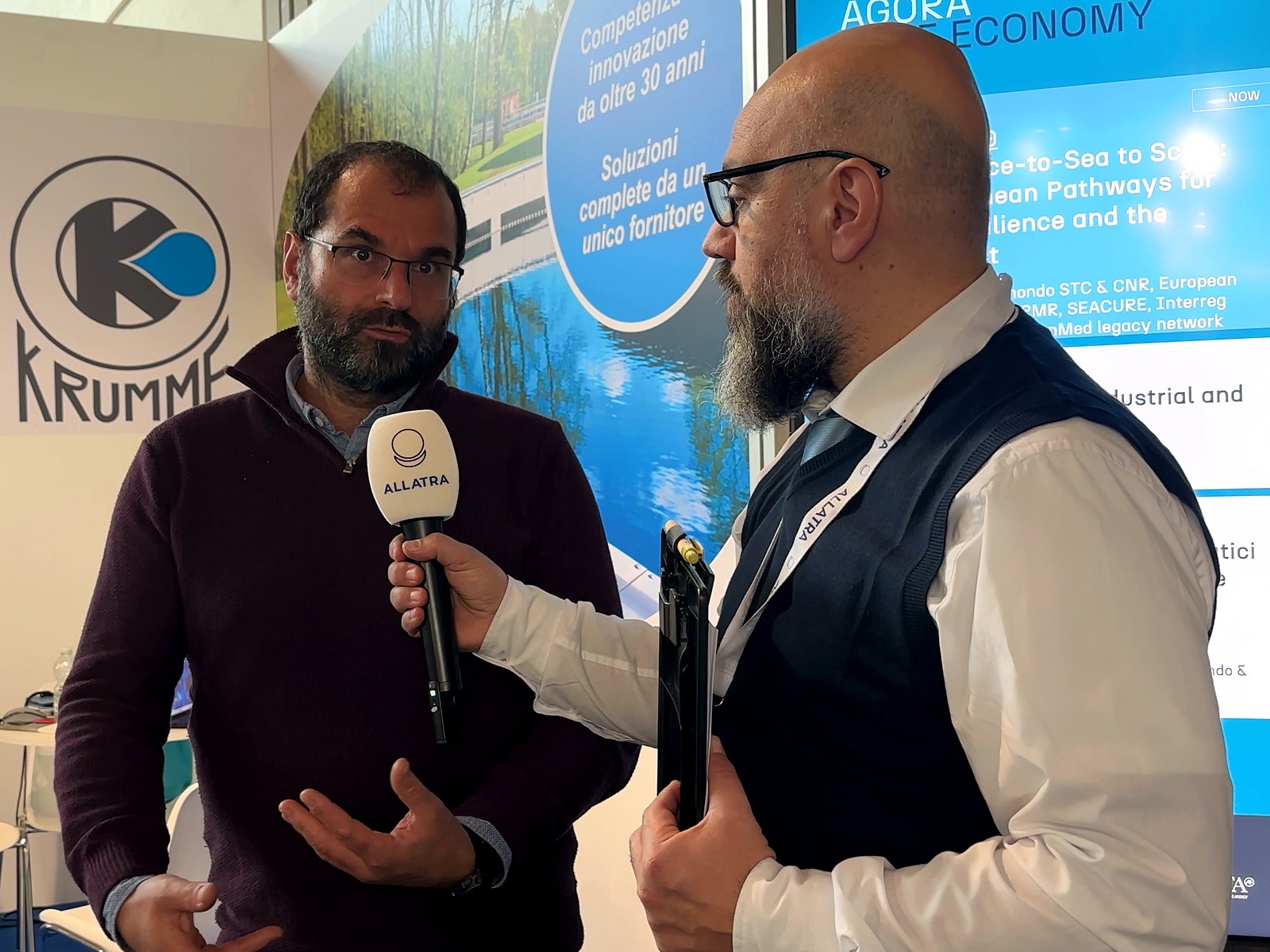
Sara Castiglioni, who heads a laboratory at the Mario Negri Institute for Pharmacological Research in Milan, detailed how emerging contaminants include medicines and other substances from industry and everyday products, released in large quantities every day. There is evidence, she noted, that the presence of some of antibiotics in the environment can promote antibiotic resistance, "one of the main health problems today." The World Health Organization estimates that bacterial antimicrobial resistance was associated with more than 4.7 million deaths in 2021.
"Analytical technologies today are very sensitive; they make it possible to detect even tiny doses, traces of these substances in the environment," Castiglioni said. What matters now, she added, is how they spread, whether they break down and how toxic they may be for the environment and for people. She also looked upstream: "We can already do a lot, in our own small way, to avoid introducing new contaminants into the environment."
Plastic: counted, but not yet comparably
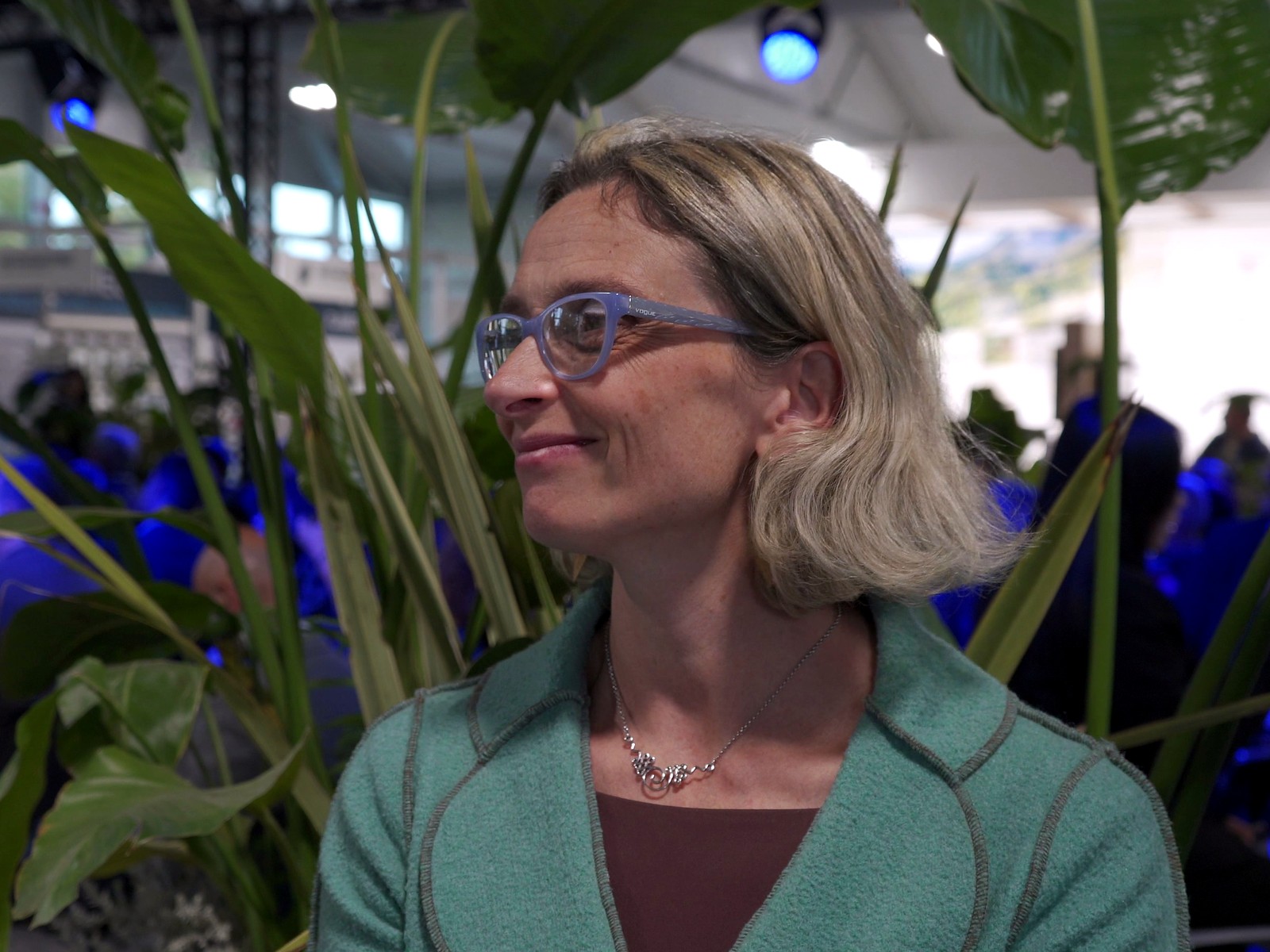
Raffaele Bruschi, a doctoral researcher at the University of Trieste who studies microplastics, shared that his group found about three particles per 1,000 liters of drinking water at the plants it studied, and roughly 14 per cubic meter in treated wastewater leaving them. Counts depend on identifying each polymer chemically, because polymers behave differently in the environment and many are much more hazardous than others, he pointed out: "When you talk about microplastics, you are talking about chemistry." Asked whether standardized methods exist that let researchers compare results across countries, he answered: "Unfortunately, I have to say not yet, but we are working on it a great deal."
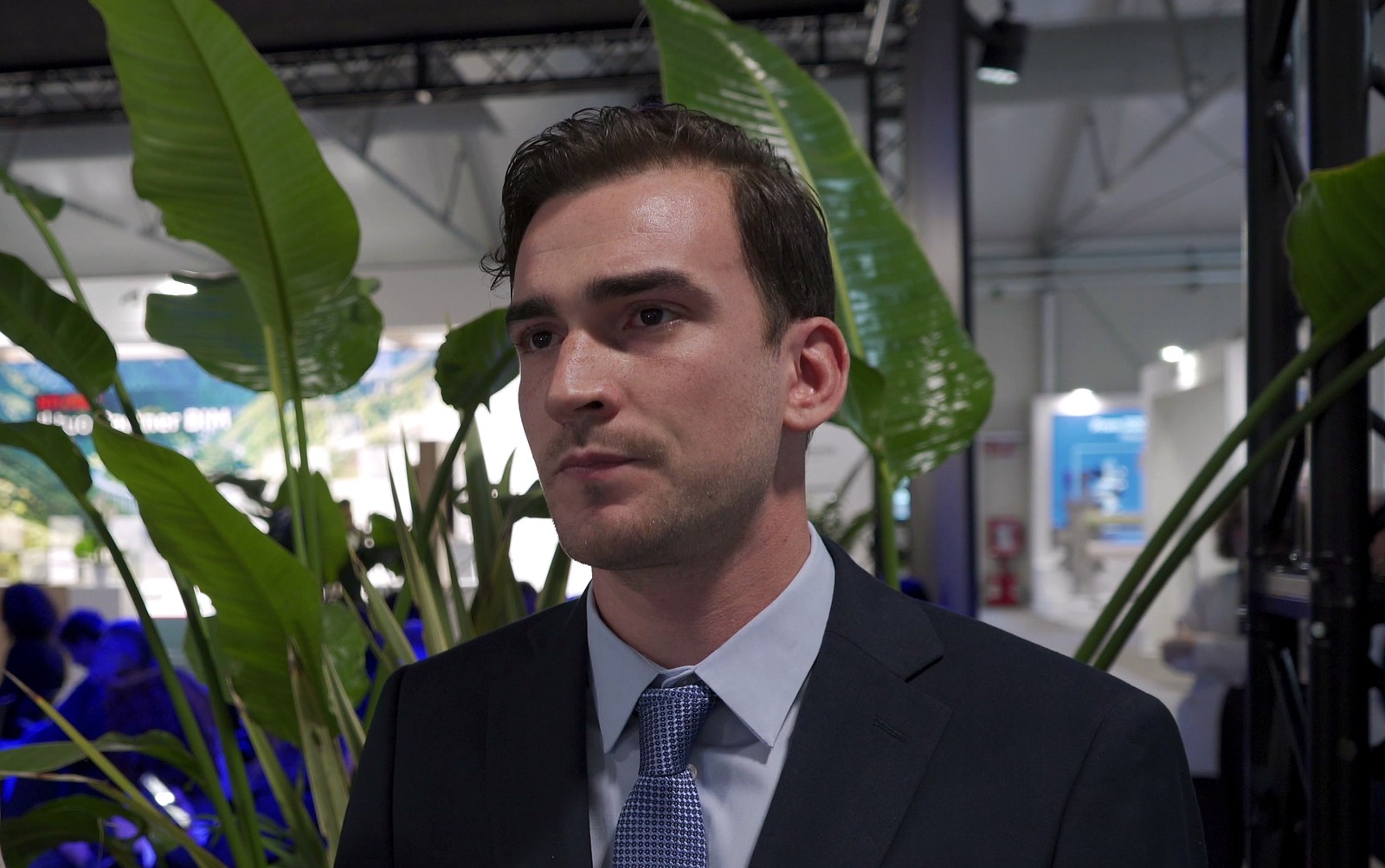
For drinking water, a 2024 European Commission decision now sets one method: at least 1,000 liters per sample, polymers identified by spectroscopy, particles from 20 micrometers to 5 millimeters.
Nanoplastics fall far below the method's lower limit. Research labs can detect them: a 2024 study in PNAS estimated about 240,000 plastic particles per liter in three brands of bottled water sold in the U.S., about 90% of them nanoplastics.
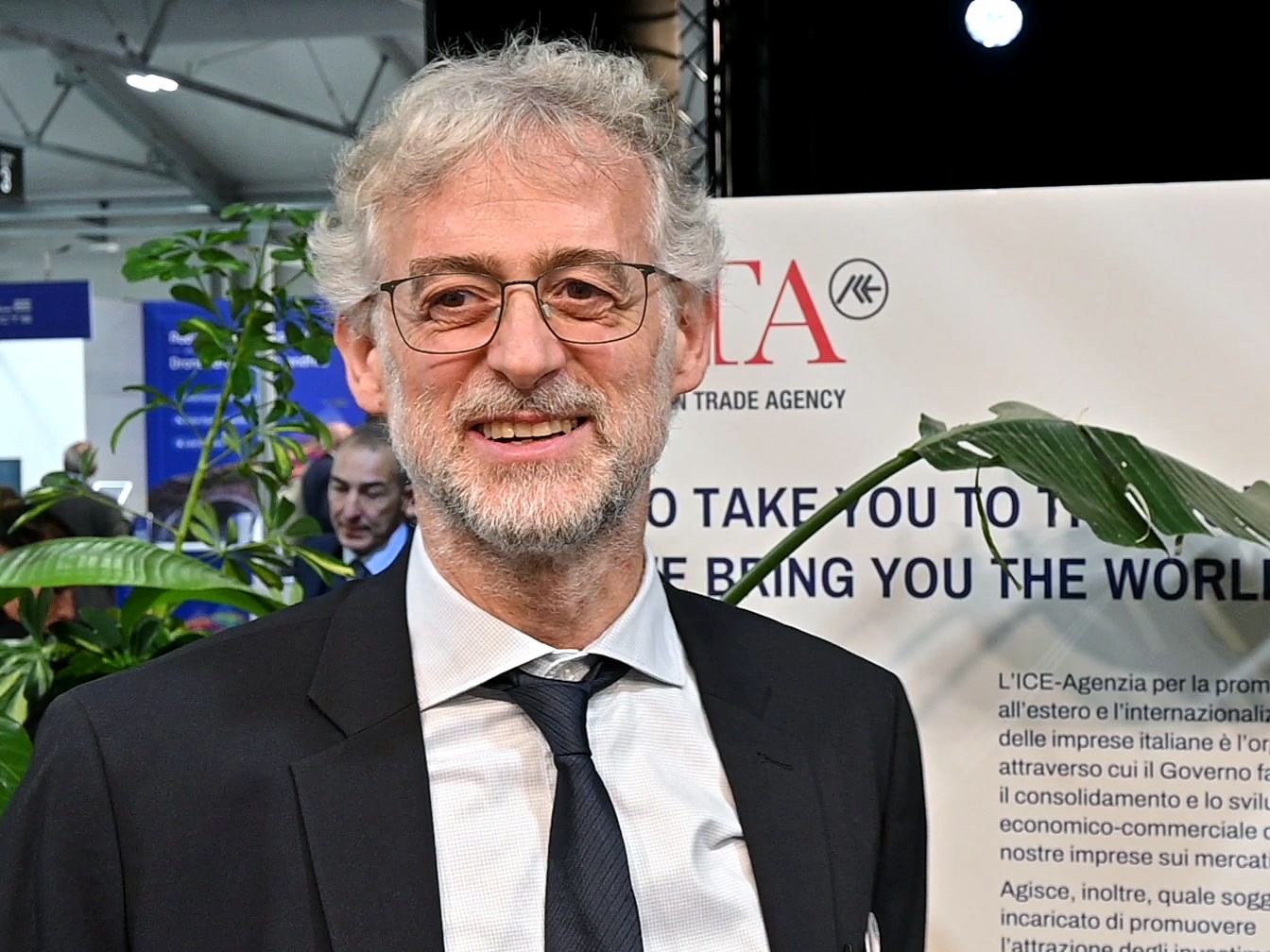
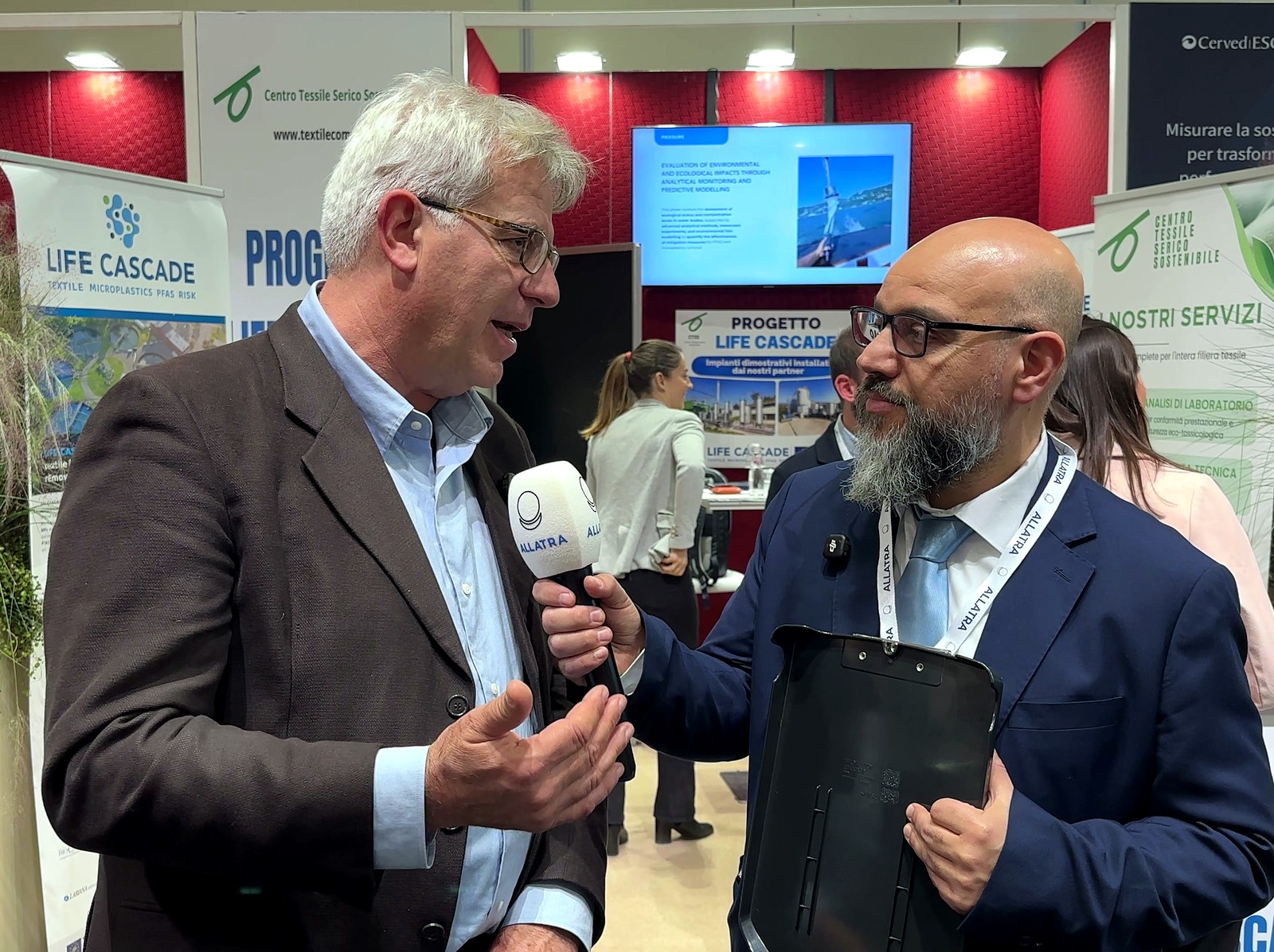
Even microplastics take engineering to remove. Giovanni Bergna is technical director of Lariana Depur, which treats textile wastewater around Como, Italy. The company is a partner in LIFE CASCADE, an EU-funded project on textile wastewater. The project's aim, he explained, is to choose the mesh of established micron filters so that they collect a waste stream richer in microplastics, while the organic matter continues through the plant and yields a sludge clean of them. Nanoplastics, Bergna added, are "a very important challenge, a future one, not yet approachable with present technologies."
Microplastics, by now, are everywhere. "Wherever we look for them, we find them," said Fantina Madricardo, a senior researcher at the Institute of Marine Sciences of Italy's National Research Council (CNR-ISMAR) in Venice. Proia stressed that the particles have been found in human tissues and blood, as Dutch researchers reported in 2022 for the blood of healthy volunteers, but their effects are still debated: "There is still the need to do very thorough studies at all levels to be able to reach a conclusion on the actual hazard of these particles."
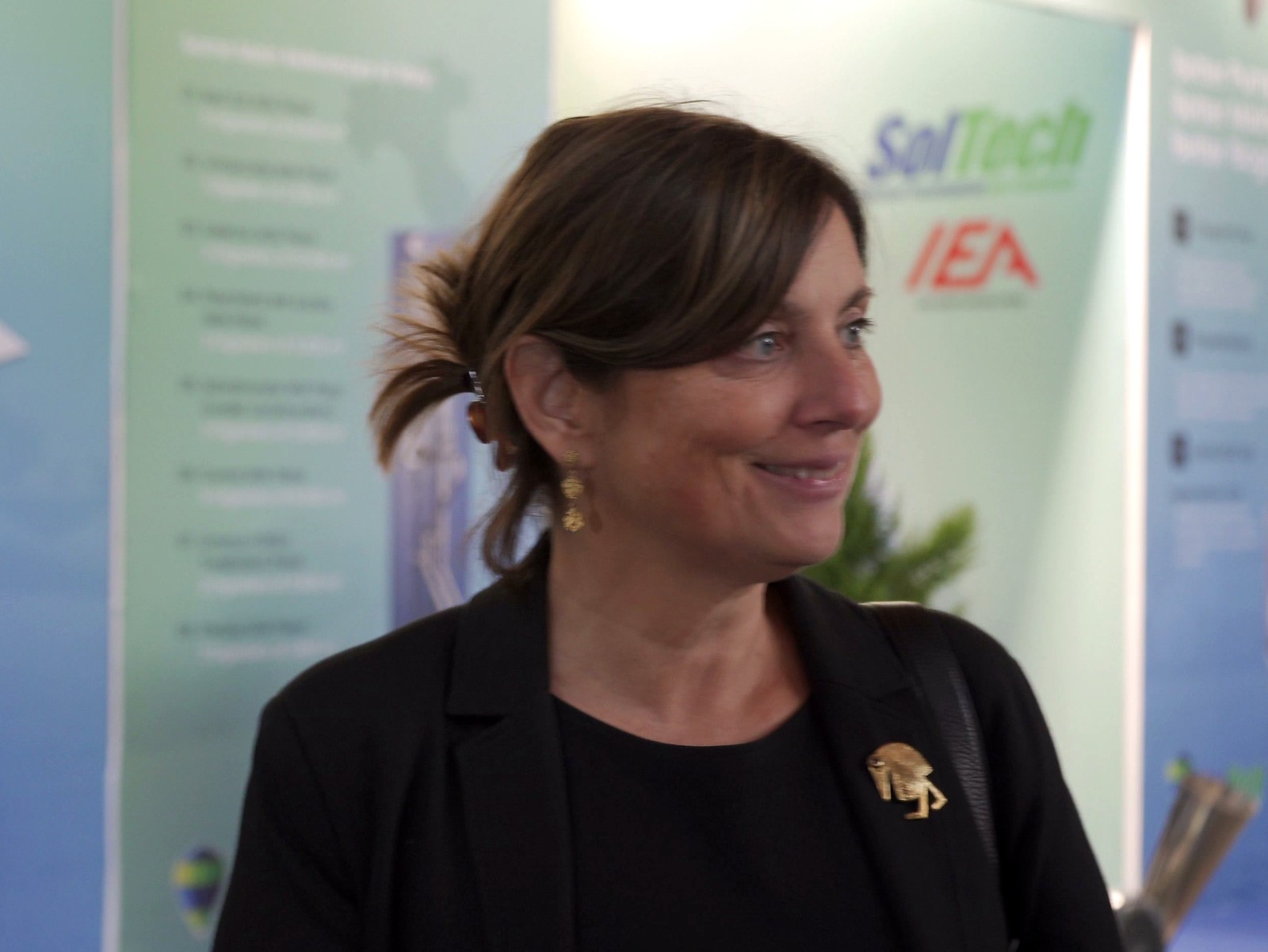
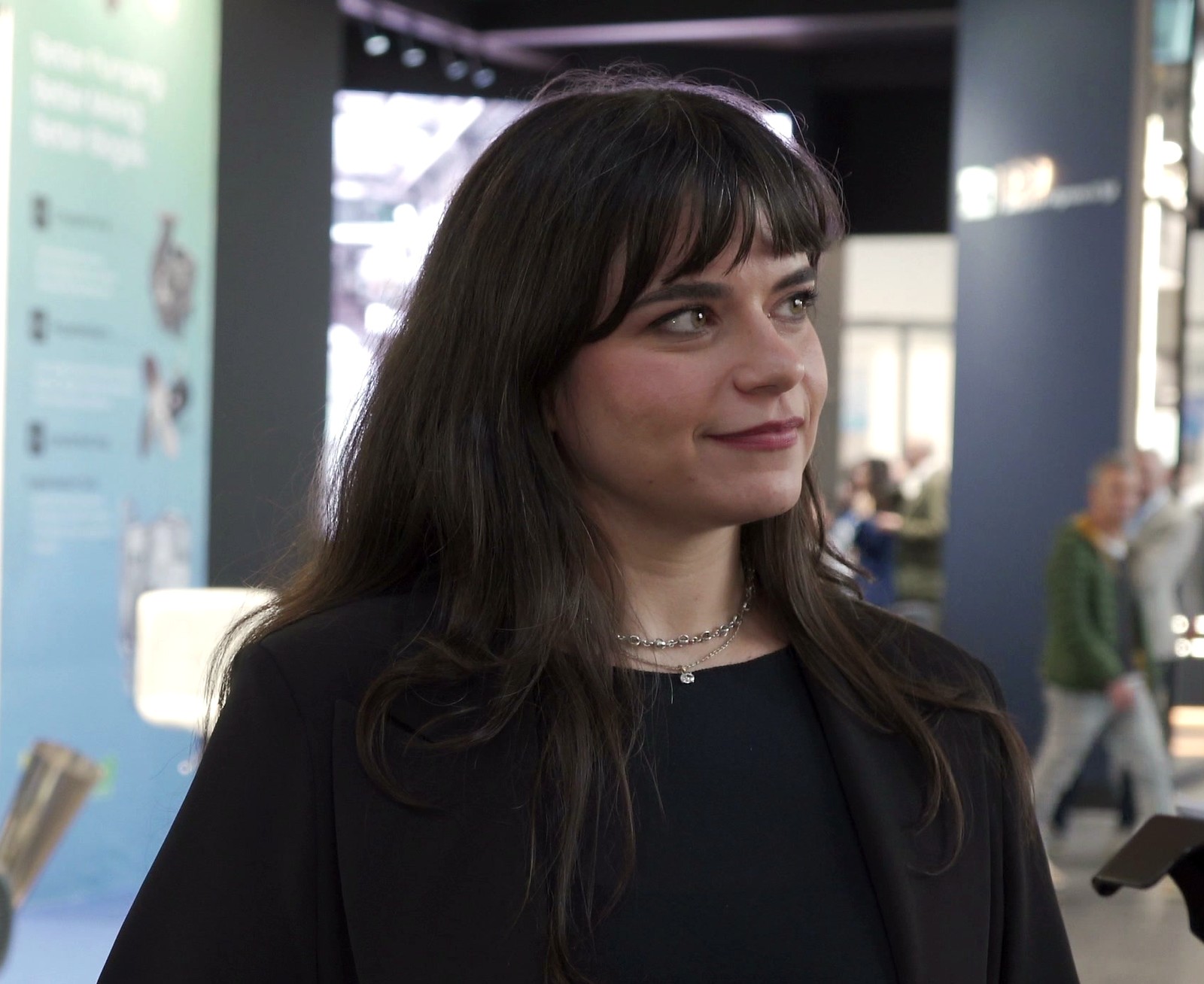
Until the effects are known, Madricardo said, the release of microplastics should be kept as low as possible, which "can only be done if plastic production is reduced at the source," a more effective route because "it is very difficult to then collect microplastics once they are already in the environment." Elisa Conti, a project manager at the CNR's Department of Earth System Science and Environmental Technologies, noted that rivers carry much of the plastic that reaches the Mediterranean, and Proia suggested that many SEACURE solutions could also reduce the micro- and nanoplastics that rivers carry to the sea.
Beyond water
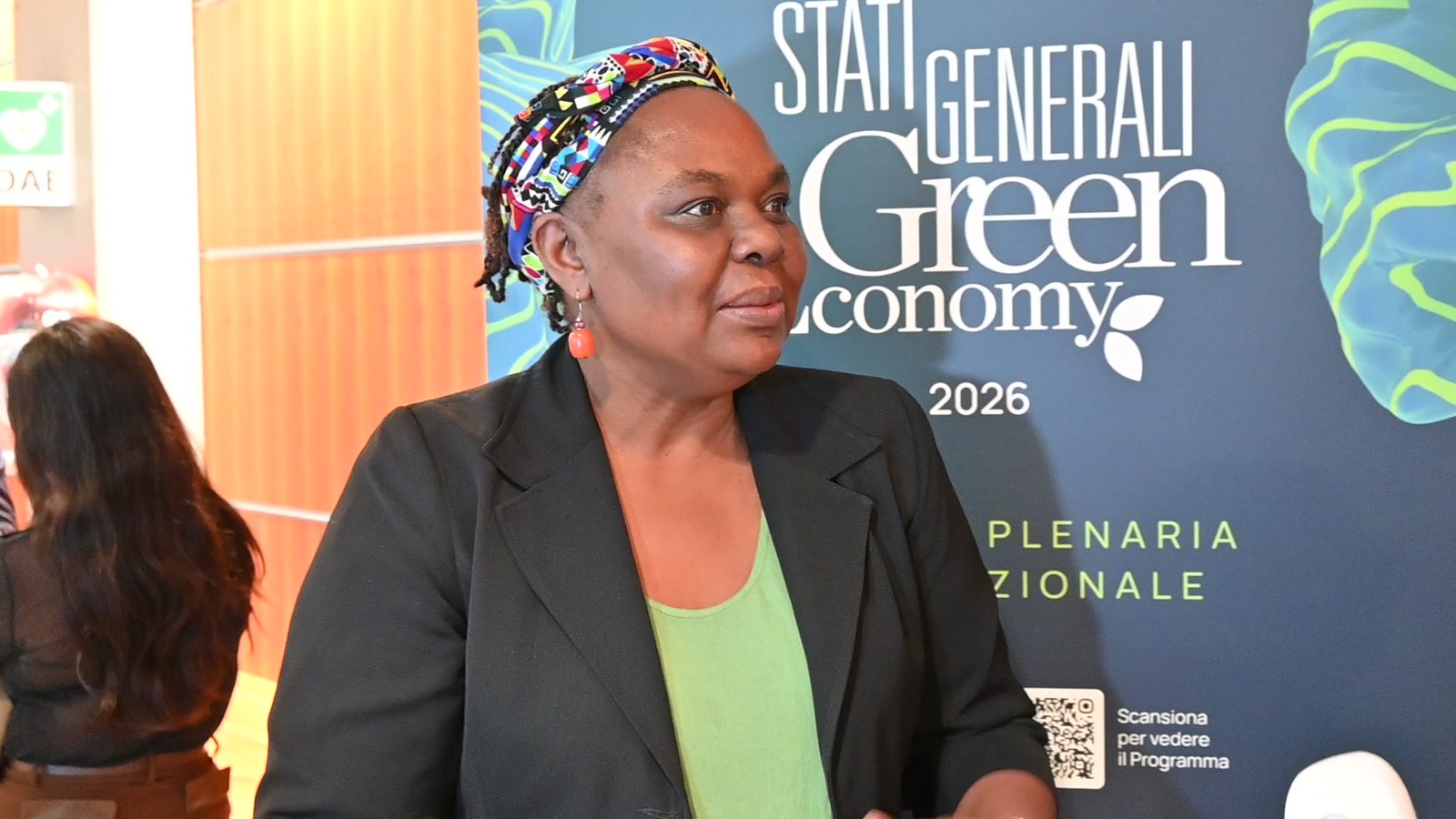
The fair's program reached well beyond water. Alice A. Oluoko-Odingo, an associate professor of geography at the University of Nairobi, discussed a project in Kenya in which women plant small forests of their own; it began with about 12 women and now has more than 50. When the women asked for food as well as trees, the project turned to more sustainable farming: they keep small dairy goats and "use the manure to fertilize their farms," she said.
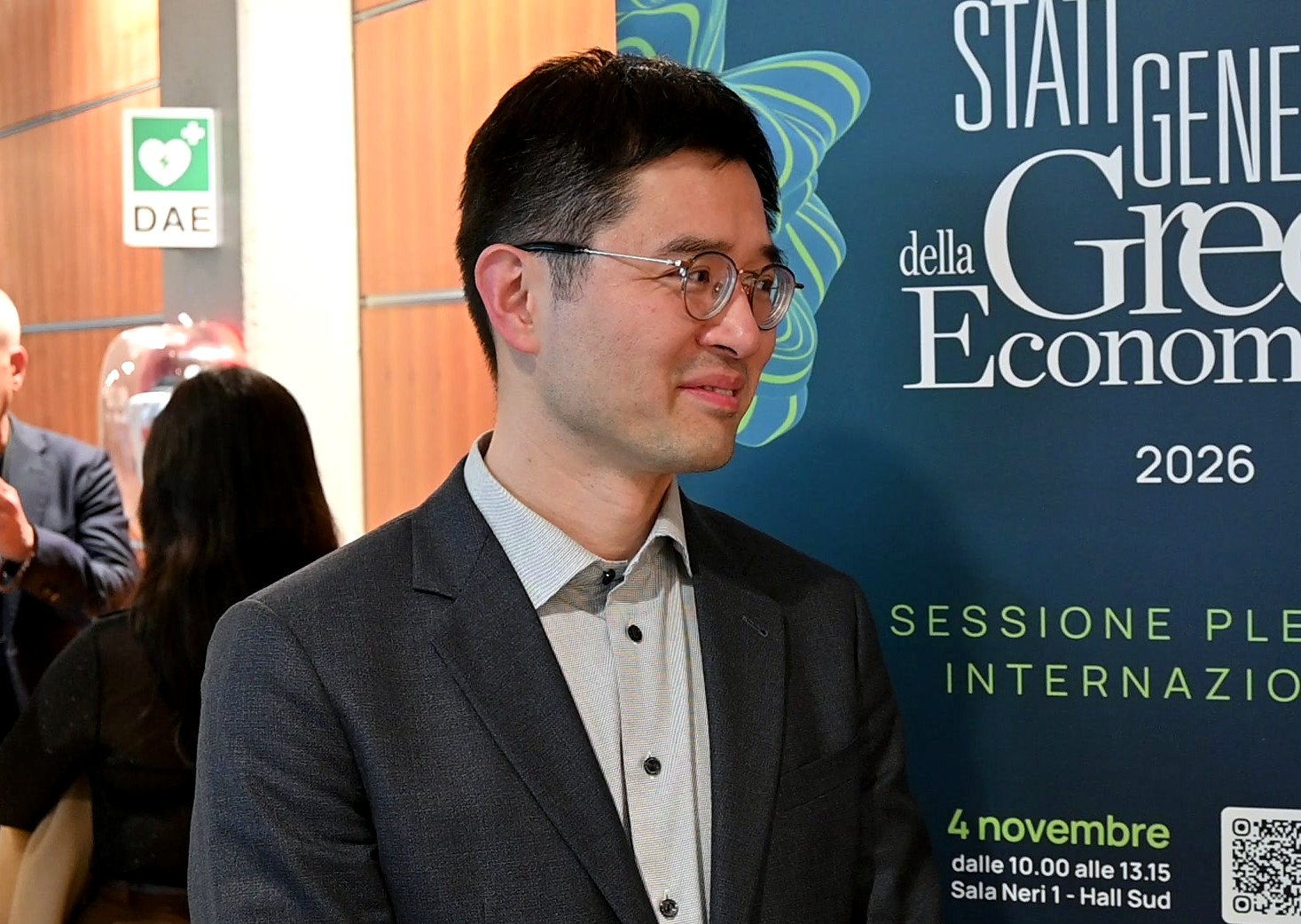
Junming Zhu, associate dean of the School of Public Policy and Management at Tsinghua University in Beijing, mentioned that one subject of his talk was China's low-carbon environmental policies. His group has also collected the environmental, social and governance (ESG) reports of companies worldwide, he added, and studies emissions trading and how companies align their interests with sustainability.
Where the loop stands
Over four days, Ecomondo brought more than 1,800 exhibiting brands and about 200 events to Rimini, according to the organizer, with a program that reached from water treatment to farming and low-carbon policy. For water, the interviews and the rules read together describe a loop that is closing unevenly. Europe now asks for treated wastewater to be reused and for larger plants to remove micropollutants by 2045. The list of what treatment has to take out keeps growing, from farm nutrients to traces of medicines and particles of plastic, and how some of these spread and how harmful they are is still being studied. Keeping contaminants out of the water at the source, as two of the researchers urged, does not have to wait for those answers. In a circular economy, the same water is meant to come back again and again, and at Ecomondo 2026, researchers and officials showed where that loop already holds and where it still leaks.
Sources
- en.ecomondo.com
- United Nations University (UNU-INWEH), "Global Water Bankruptcy", January 2026
- Directive (EU) 2024/3019 on urban wastewater treatment (recast)
- Commission Delegated Decision (EU) 2024/1441, method for measuring microplastics in drinking water
- World Health Organization, fact sheet "Antimicrobial resistance"
- Qian N. et al., PNAS, 2024 (nanoplastics in bottled water)
- Leslie H.A. et al., Environment International, 2022 (plastic particles in human blood)
- SEACURE, EU project (CORDIS)
- LIFE CASCADE, EU LIFE project