A Gamma-Ray Glow Near a Distant Pulsar Joins the Hunt for Cosmic PeVatrons

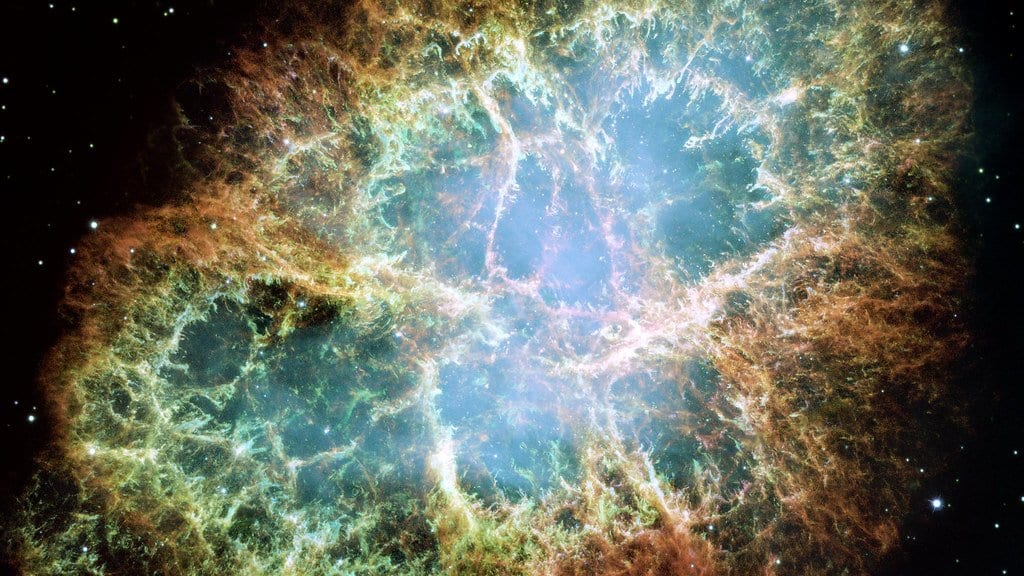
Somewhere in the galaxy, particles get flung to energies that dwarf anything a human-built collider can reach. Astronomers call the engines behind them PeVatrons, sources able to accelerate cosmic rays into the petaelectronvolt range, and finding them is one of the open problems in figuring out where the highest-energy cosmic rays are born. Confirmed examples are still rare.
An analysis from the LHAASO Collaboration adds a fresh candidate to the short list. Using the Large High Altitude Air Shower Observatory in Sichuan, the team examined an extended source of very high-energy gamma rays coincident with the pulsar PSR J2238+5903. Published on the arXiv repository, the study reports the source spread across about half a degree of sky, with a signal detected at 7.9-sigma above 100 TeV. That threshold is the reason it earns a PeVatron flag: light at those energies usually traces particles accelerated well into the PeV regime.
What the source actually is remains open. The gamma rays could come from a pulsar wind nebula, the bubble of energized particles a rapidly spinning neutron star blows into its surroundings. Or the relatively large size of the emission could point to a halo of electrons and positrons that have leaked out of such a nebula and drifted into the surrounding space. The data, on their own, do not yet force a choice between the two.
That ambiguity is why the finding represents a promising "PeVatron candidate", which is a source worth deeper study rather than a confirmed accelerator. If the discovery holds up, it will add one more marker on the map of where the galaxy's most energetic particles are born.