Chinese Academy of Sciences Team Resolves Detail Below Pixel Size
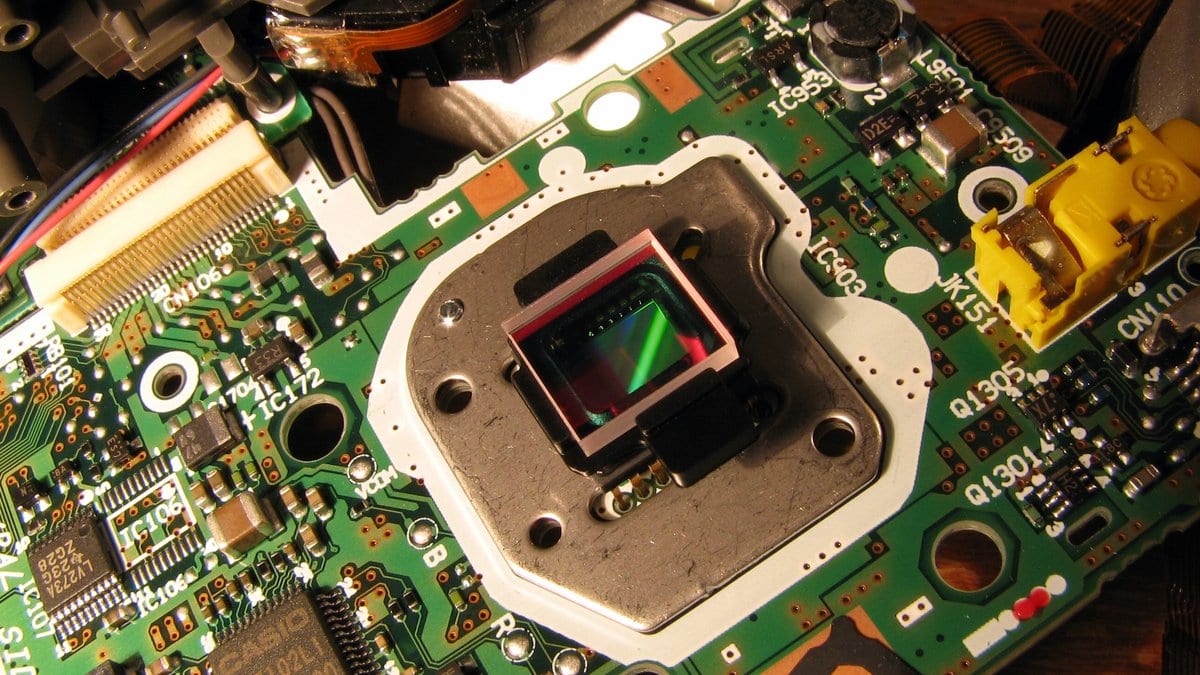
Researchers at the Chinese Academy of Sciences have reported an imaging method that samples detail finer than the physical pixels of a digital camera sensor, without changing the sensor itself. The work was published Oct. 15, 2026, in Communications Engineering.
A sensor's pixels normally set the limit on how fine an image can be, because nothing smaller than one of those light-sensitive squares gets recorded. Jinchao Liang, Ze Zhang and colleagues at the Aerospace Information Research Institute in Beijing report cutting the smallest sampled unit to one sixteenth of a pixel and say the method raises a sensor's resolution and pixel count.
The method, which the team calls pixel-segmenting imaging, starts from the fact that a pixel is not equally sensitive across its whole area. Using a custom optical setup and an evolutionary algorithm, a search that improves by repeated trial and selection, it maps how efficiently each part of a pixel turns light into signal, then uses that map to pull back detail missing from the original picture.
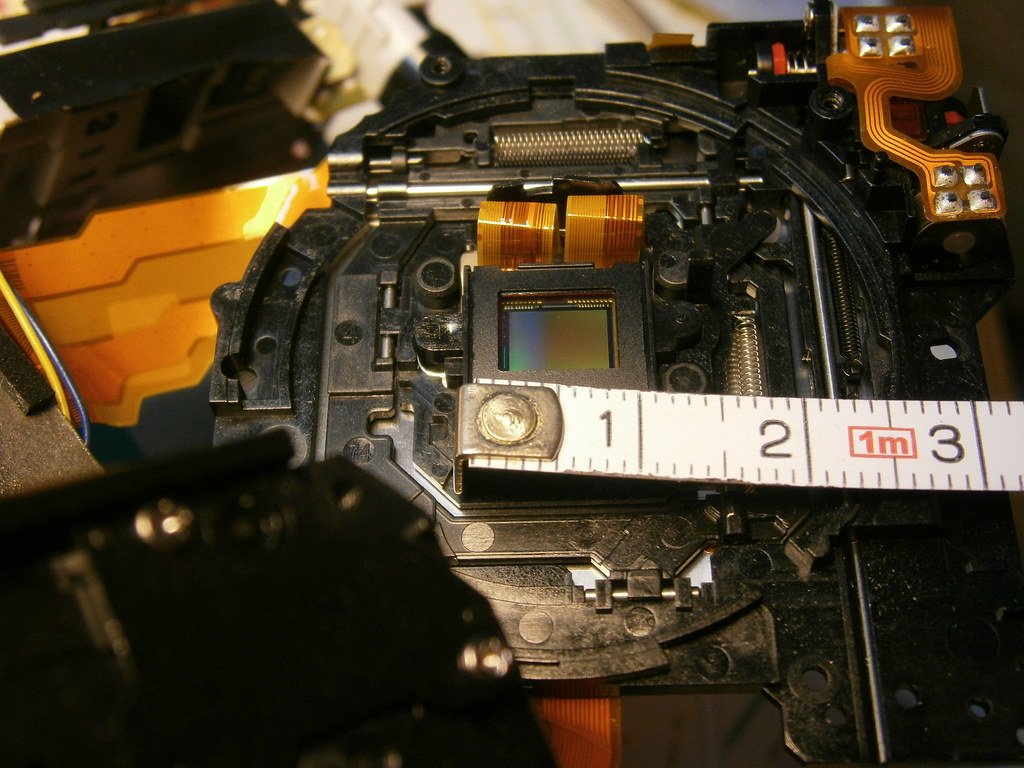
The team reports two image-quality scores rising on its test images. The modulation transfer function, which tracks how much contrast a system preserves at a given line spacing, came out 2.3 times the original value. The structural similarity index, which scores how closely a picture matches a reference, came out 3.1 times higher. Both were measured at a line spacing of 25 line pairs per millimeter.
The authors contrast their approach with deep learning super-resolution, the software route that infers missing detail, and write that such methods rarely overcome the limit set by pixel size. Their method measures a physical property of the sensor instead.
Sources
- Communications EngineeringPeer-reviewed