A Gene-Silencing Drug Built for One Child: The SCN2A Epilepsy Case
For the family of the older child, the milestone was not measured in laboratory readouts. It was watching a 14-year-old, after years of severe seizures and developmental delay, get up and walk across a room without help at 15.
That outcome sits at the center of a study published on July 21 in Nature Medicine, describing what happened when clinicians treated two children carrying mutations in a gene called SCN2A. The gene encodes part of a sodium channel that helps nerve cells fire. When one copy carries a certain kind of mutation, the channel misbehaves, and the result can be a devastating form of epilepsy that begins in early childhood and stalls development.
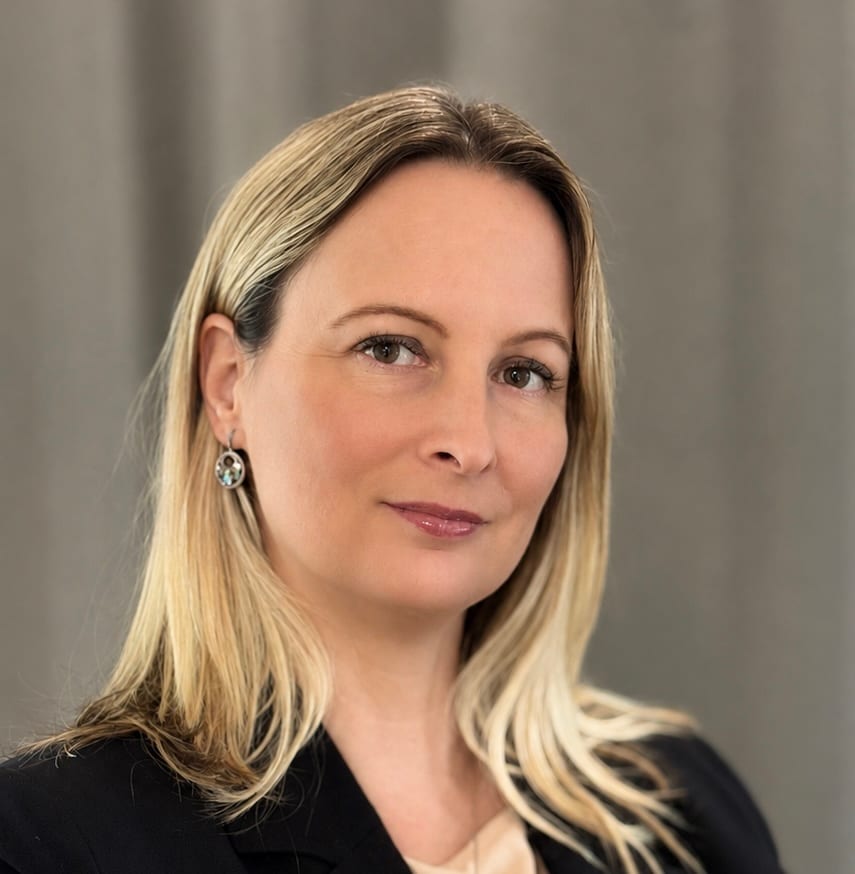
The team, led by Dr. Olivia Kim-McManus of the University of California, San Diego School of Medicine, did not reach for a standard drug. They designed one for each child.
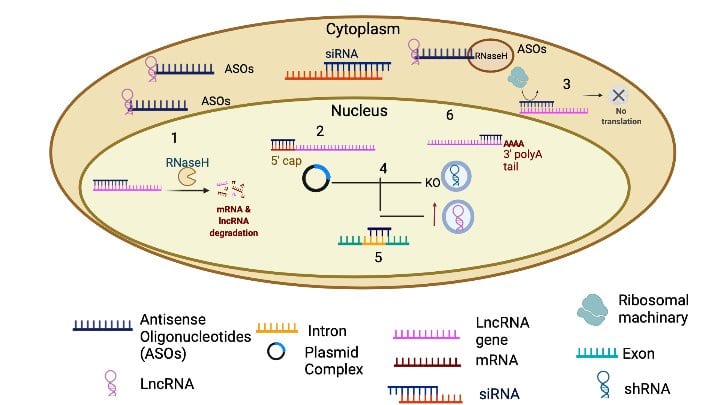
The tool was an antisense oligonucleotide, or ASO. These are short, lab-made strands of genetic material that latch onto a specific stretch of a cell's RNA, the working copy of a gene's instructions, and mark it for destruction before it can be turned into protein. The trick here was selectivity. A person carries two copies of SCN2A, one from each parent, and in these children only one copy was faulty. A blunt drug that silenced both would strip away healthy channel function too. So the researchers built each ASO to be allele-selective: to recognize and silence the mutant copy while sparing the healthy one.
Because every patient's mutation is different, the drug had to be different too. This is the logic of what researchers call an n-of-1 trial, a study designed around a single individual. The UC San Diego team delivered each tailored ASO directly into the spinal fluid every two to three months, giving it access to the nervous system.
The reported results, gathered over roughly two years, were substantial. The older child's seizure frequency fell by about 90%, reaching stretches without seizures. The younger child, aged nine, saw a smaller but real drop of about 26%. Both were able to reduce their other anti-seizure medications. The paper also describes gains in motor skills, language, and everyday functioning, along with improvements in gastrointestinal symptoms, and reports no serious adverse events over the treatment period.
A note on how new this is, because the framing matters. This is not the first antisense oligonucleotide aimed at SCN2A; a separate case was reported in the same journal in 2025. What distinguishes this work is the allele-selective, individualized design, a drug engineered to hush one broken copy of a gene in one specific patient. "When we really think about precision therapy in a personalized way, you can't get more personalized than that," Kim-McManus said.
For rare genetic diseases, where a mutation may be shared by only a few people on earth, the one-patient-at-a-time model is one of the few plausible routes to treatment. As Kim-McManus put it, the idea is spreading beyond academia into the pharmaceutical and biotech industry.
Sources
- www.nature.com
- Nature MedicinePeer-reviewed
- today.ucsd.edu
Medical Disclaimer: This content is provided for general informational and educational purposes only. It is not medical advice and should not be used as a substitute for professional medical advice, diagnosis, or treatment. Always consult a qualified healthcare professional regarding any medical condition, concern, symptom, or treatment decision.