Two Ancient Genomes From Japan Reveal Two Peoples on Separate Paths

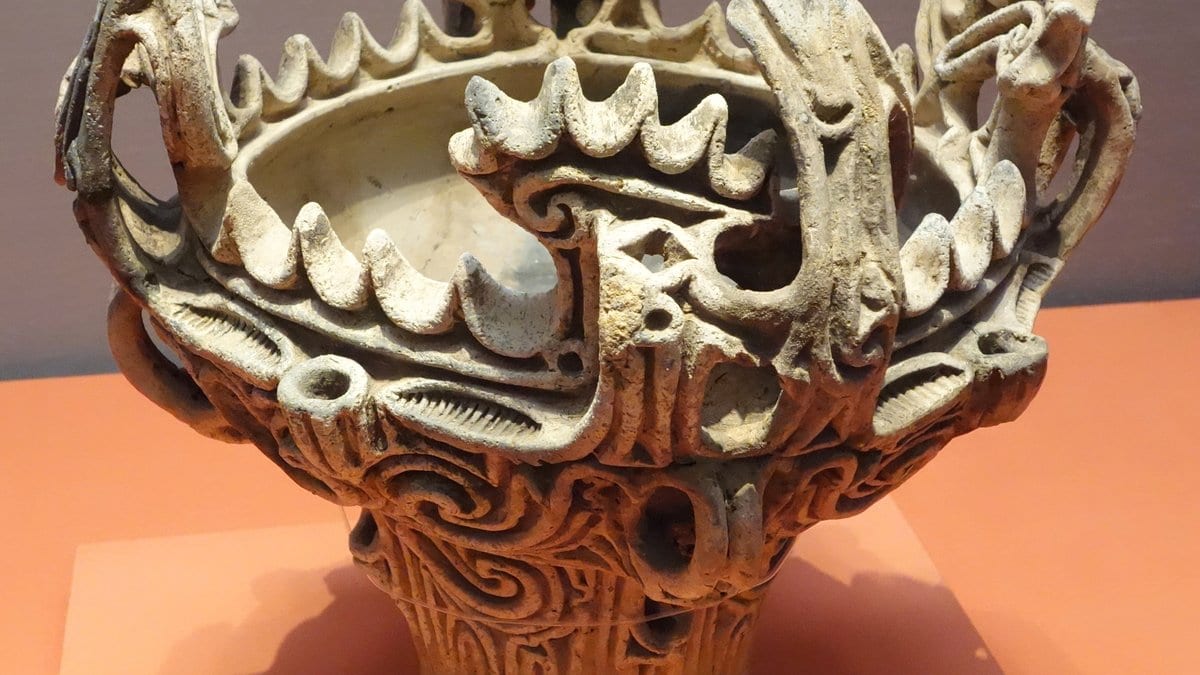
Ancient DNA is a discipline built on luck. It survives best in cold, dry, stable ground, which is why so much of what we know about deep human history comes from Europe and northern Asia. Japan, warm and humid, is a hard place for old DNA to last, and that has left a frustrating gap in the genetic story of one of the most-studied populations on earth.
Two newly sequenced genomes go some way toward closing it.
Writing in the Proceedings of the National Academy of Sciences, researchers report high-coverage genomes from two individuals from mainland Japan: one from the Initial Jomon period, the long era of hunter-gatherers who occupied the islands after the last Ice Age, and one from the Middle Yayoi period, the later era associated with the arrival of rice agriculture and new populations from the Asian mainland. "High-coverage" is the crucial phrase. Where earlier work in the region had to squeeze conclusions from degraded scraps, these genomes are well enough preserved to read in fine detail, among the best-preserved ancient genomes yet recovered from Japan.
These two genomes show a clear divergence. The Jomon and Yayoi lineages, the genomes indicate, followed different paths in the millennia after the Ice Age. The Jomon represent a deeply distinct, long-isolated population; the Yayoi profile connects instead to the broader peopling of continental Eurasia, consistent with the idea that Yayoi ancestry arrived from the mainland and mixed with the existing Jomon population. Modern mainland Japanese carry a blend of both, and higher-resolution genomes make it possible to trace how that mixture came together.
One detail concerns diet. The study reports on the amylase gene, which governs how well the body breaks down starch; people with more copies of it digest starchy food more efficiently, and copy number tends to rise in populations that eat a lot of starch. According to the reporting around the paper, the Jomon individual already carried extra copies of this starch-digestion gene before large-scale rice farming reached Japan, which would suggest the genetic groundwork for a starch-heavy diet was in place before the agriculture that made such diets common.
That amylase detail deserves a flag. The published PNAS paper sits behind a paywall and could not be read in full for this article; the finding is corroborated through the authors' own preprint and the coverage surrounding the study, and the specific claim that the Jomon carried extra amylase copies before farming is best treated as plausible and consistent with the lineage narrative rather than fully nailed down here. Readers, and editors, should weigh it accordingly against the published text.
Despite this limitation, the main finding stands. Two genomes will not settle every question about how Japan was peopled, but reading them at high resolution, in a region where the DNA usually does not survive, clarifies our understanding of the region's early history: two populations, two trajectories, and and how they eventually merged to form today’s population.
Sources
- Proceedings of the National Academy of SciencesPeer-reviewed