Warming Seas Are Carrying Radio Signals Farther Past the Horizon
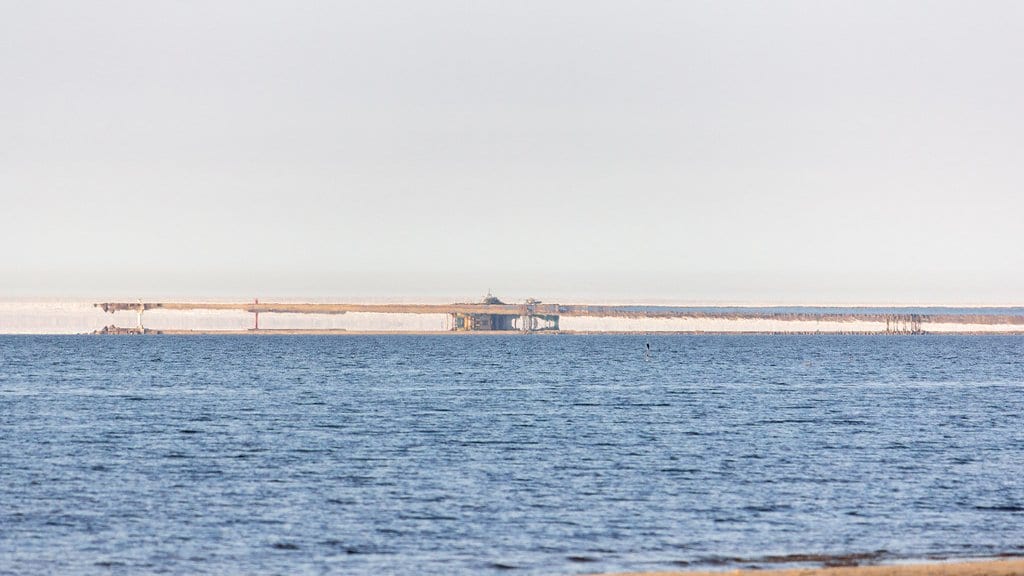
A study published Oct. 15, 2026, in Nature Climate Change finds that the thin layers of ocean air that carry radio and radar signals far past the horizon have grown more frequent, stronger and deeper over mid- and low-latitude seas since 1940.
Atmospheric ducts, as the layers are called, both extend a signal's reach and create shadow zones where a receiver picks up nothing. The study says the shift has implications for maritime communication, radar and navigation, and that standard radar and communication models do not account for them.
The team worked from ERA5, a continuous record of past weather built from observations and a forecast model, covering 1940 to 2025. Across those oceans, three things rose together: how often a duct was present, how strongly it trapped signals, and how high its top sat. The portion of the change the authors tie to global warming comes to about 3% more occurrence and nearly 60 meters of added height.
The authors report that warmer air over the ocean holds more water vapor and that rising air then cools less with height, leaving the lower atmosphere more stably layered. That stability favors the temperature inversions in which ducts form.
Over the high-latitude Southern Ocean and Antarctica, the trend runs the other way, with ducts there becoming less frequent and weaker. The authors attribute the reversal to surface warming weakening Antarctica's strong low-level temperature inversion, helped by the loss of sea ice.
The authors report that the long-term trend follows global warming rather than natural cycles, with the increase speeding up alongside the rapid warming that began in the late 1970s. They report that the El Niño cycle drives the year-to-year swings, concentrated over the equatorial Pacific.
The analysis counts only the lowest trapping layer at each point and does not resolve evaporation ducts, the shallow kind that forms just above the water, because the lowest level in the ERA5 model sits at 10 meters. The paper is open access, and the authors have posted their data and analysis code on Zenodo.
Sources
- Nature Climate ChangePeer-reviewed