NASA Finds a Crater That Formed on the Moon in 2024
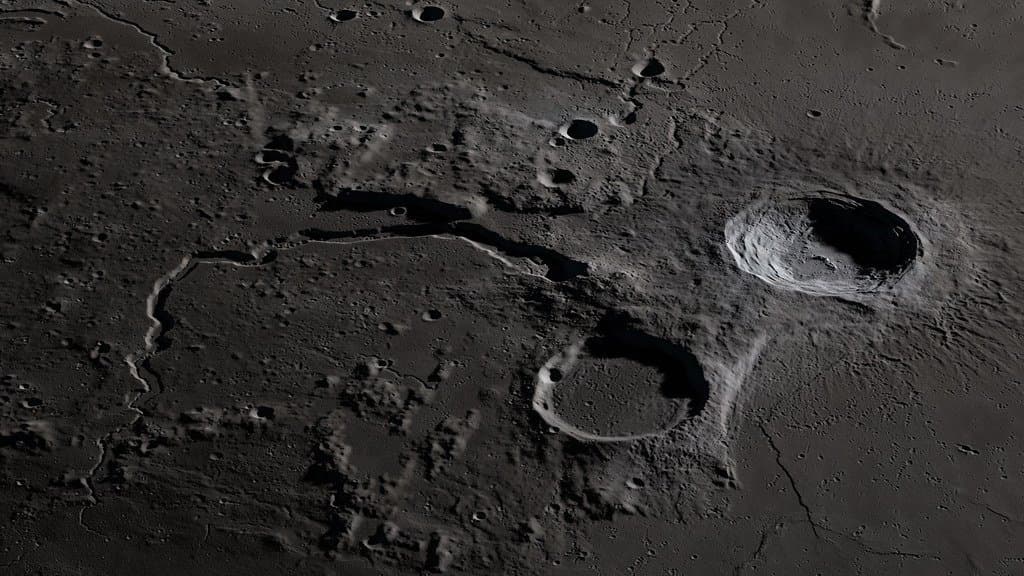
NASA says a crater 728 feet across (222 meters) formed on the Moon's eastern edge sometime between April 11 and May 22, 2024. It was found only in October 2025, when an image analyst spotted it during a routine data-quality check of imagery from the agency's Lunar Reconnaissance Orbiter. NASA calls it the largest newly formed crater ever found in the solar system.
In its announcement, NASA says the discovery shows the value of the orbiter's data as the agency works toward a lasting human presence and wider scientific and commercial activity on the Moon.
The crater is 141 feet deep and has been officially named McGetchin, after the lunar scientist Tom McGetchin. NASA attributes it to a comet or asteroid about the size of a three- to six-story building and dates the formation window from before-and-after orbiter images of the same ground. An impact that large is expected about once a century, or less often.
Robert Wagner, an image-processing specialist from Intuitive Machines who works with the orbiter's camera data, was scanning a global Moon map when a bright spot ringed by a dark halo caught his eye. "I just stopped, dropped everything, and started looking into what that spot was," Wagner said. The debris pattern spanned hundreds of pixels. "It was by far the most obvious impact debris pattern I've ever seen in one of these images," he said.
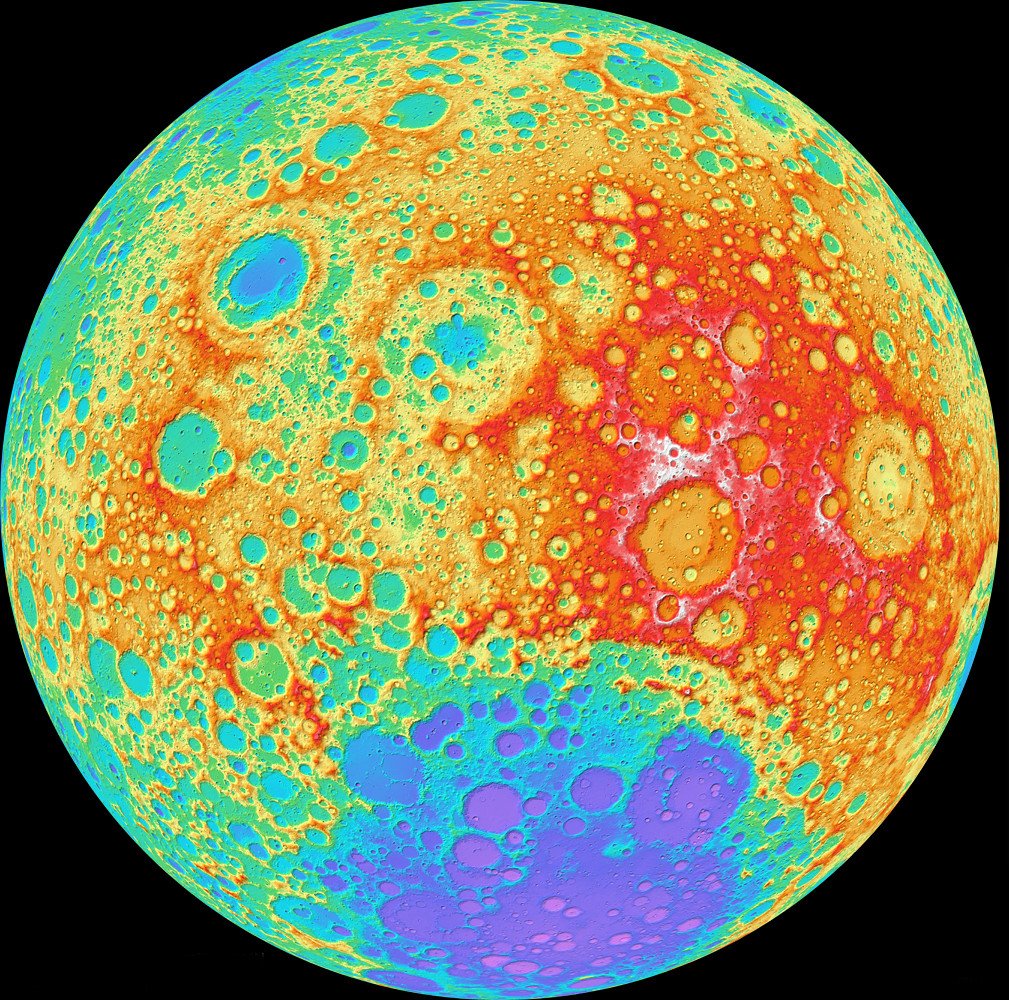
The orbiter's thermal instrument later measured a patch about 4 miles wide around the crater that runs 16 °F cooler at night than the ground beside it. Researchers reporting in a second paper say the impact fluffed up the regolith, the Moon's loose surface rubble, leaving it less dense and less able to hold heat. Changes like that could affect how rover wheels interact with the surface.
NASA says both findings were reported in Science Advances, and that the size and force of the object that dug the crater are expected in a later paper.