Astronomers Find a Candidate Stellar Eruption Fast Enough to Escape Its Star
Astronomers have identified a candidate coronal mass ejection, a cloud of gas thrown clear of a star, in spectra of an exceptionally large flare on an M dwarf, a small cool star. J. Wang and J. Y. Wei of the Chinese Academy of Sciences and colleagues say the candidate can be identified at high confidence. Their report was published Nov. 19, 2026, in The Astrophysical Journal Letters.
The authors write that coronal mass ejections "potentially play an important role in shaping the habitability of exoplanets," and that firm detection of flare-associated ejections on remote stars "remains a challenging task at the current stage."
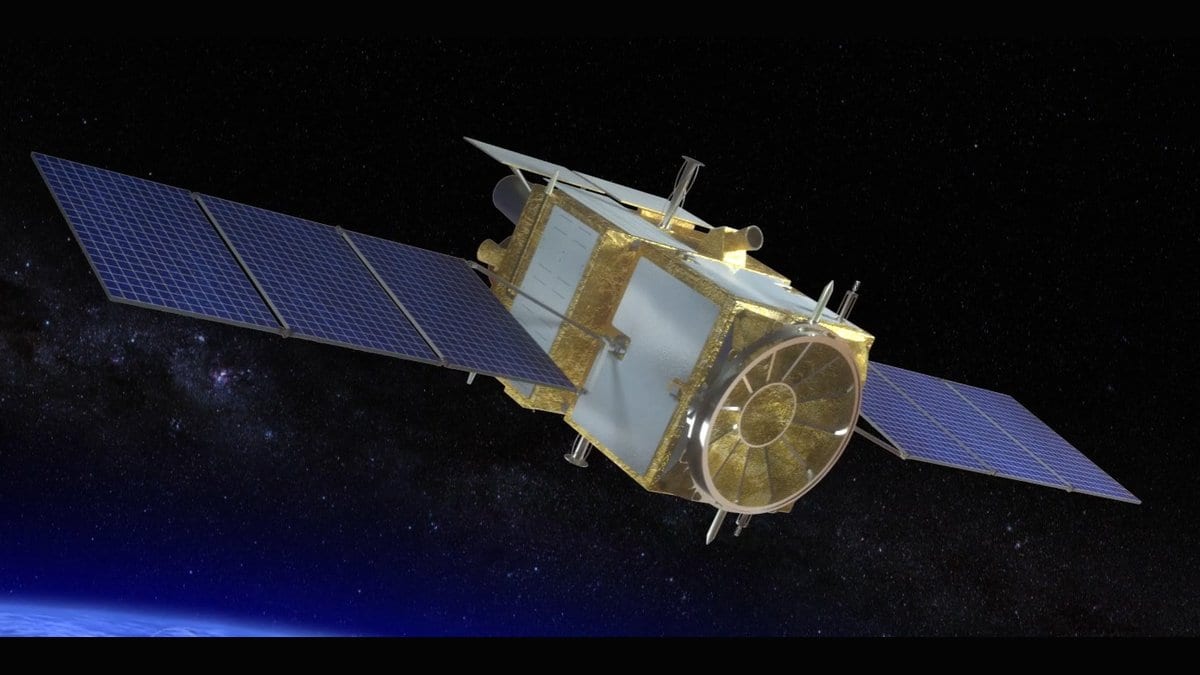
The paper reports that the superflare, designated GWAC 251130A, was caught by the SVOM/GWAC high-cadence survey for transient events, which triggered the follow-up spectroscopy. The star brightened by about 2.5 magnitudes in red light. The candidate ejection shows up as a broad hydrogen line shifted toward blue wavelengths, a sign of gas moving toward the observer. Its maximum projected velocity is about 1,500 kilometers per second, which the authors call "the second highest among all reported stellar CME candidates."
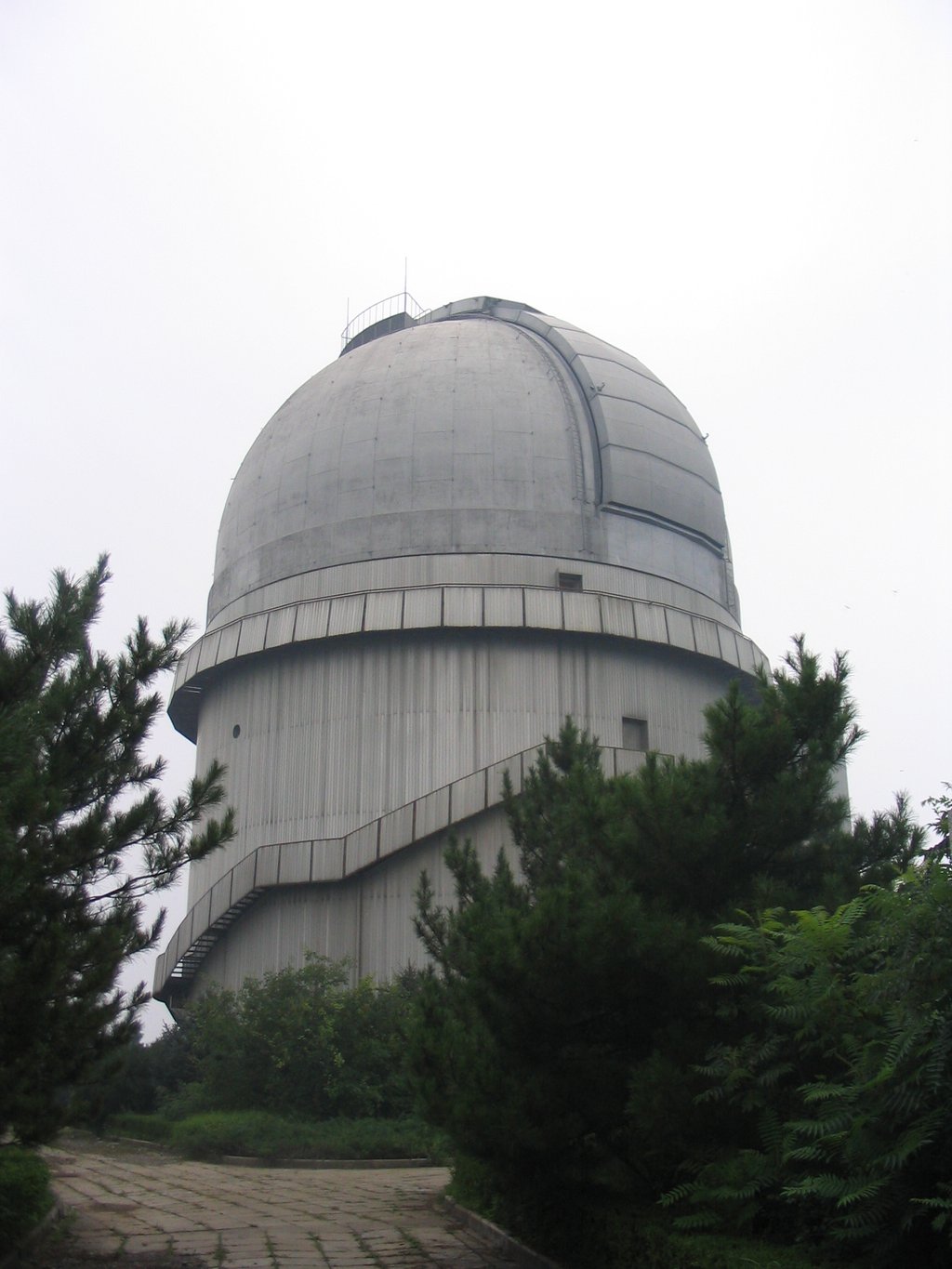
According to the paper, the candidate's velocity is more than twice the star's surface escape velocity, the speed gas needs to break free of a star's gravity — one of only two reported events to exceed that threshold.
The spectra also show two further signatures after the broad emission faded, which the authors identify as chromospheric evaporation and condensation: the upward and then downward flow of gas low in the star's atmosphere.
From the same spectra, the authors estimate the ejected mass along the line of sight and its kinetic energy, and write that the pair reinforces a pattern seen before, in which stellar ejections carry slightly more mass with lower kinetic energy than solar flare and ejection events.
Sources
- The Astrophysical Journal LettersPeer-reviewed