Water High Above Venus Shifts From One Year to the Next
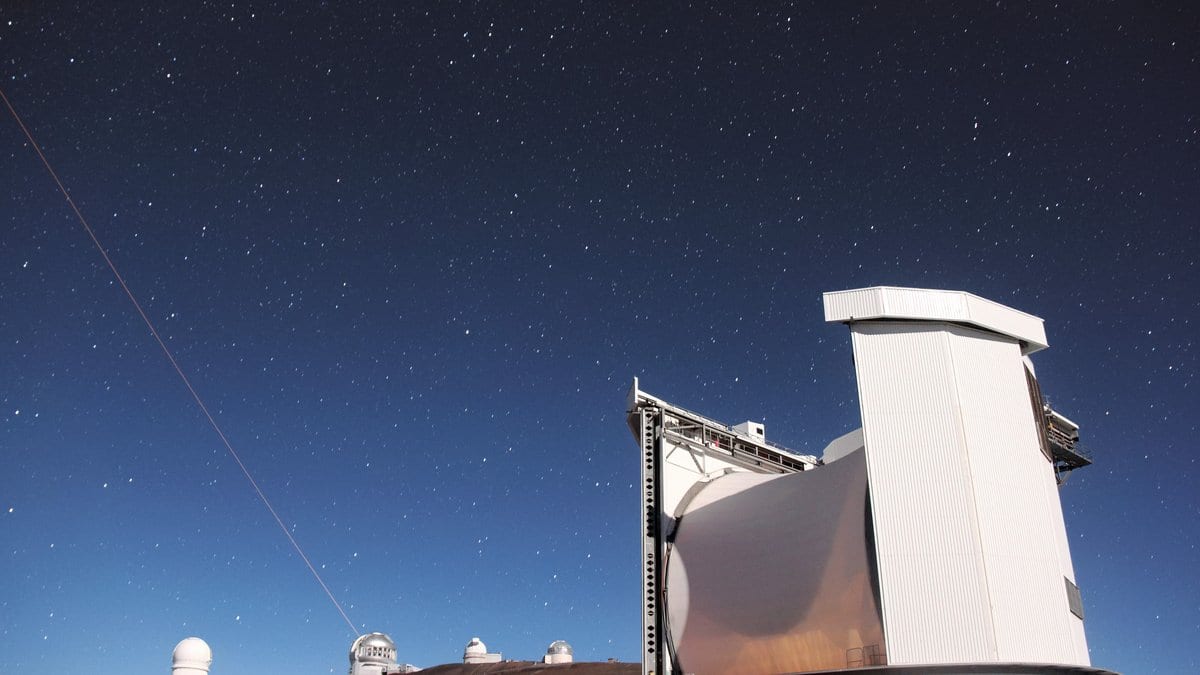
Three observing campaigns with the East Asian Observatory's James Clerk Maxwell Telescope on Mauna Kea in Hawaii have found that the amount of water high in Venus's atmosphere changed from one year to the next, a shift the authors say has not been identified there before. The data were taken in February 2022, July 2023, and August and September 2023.
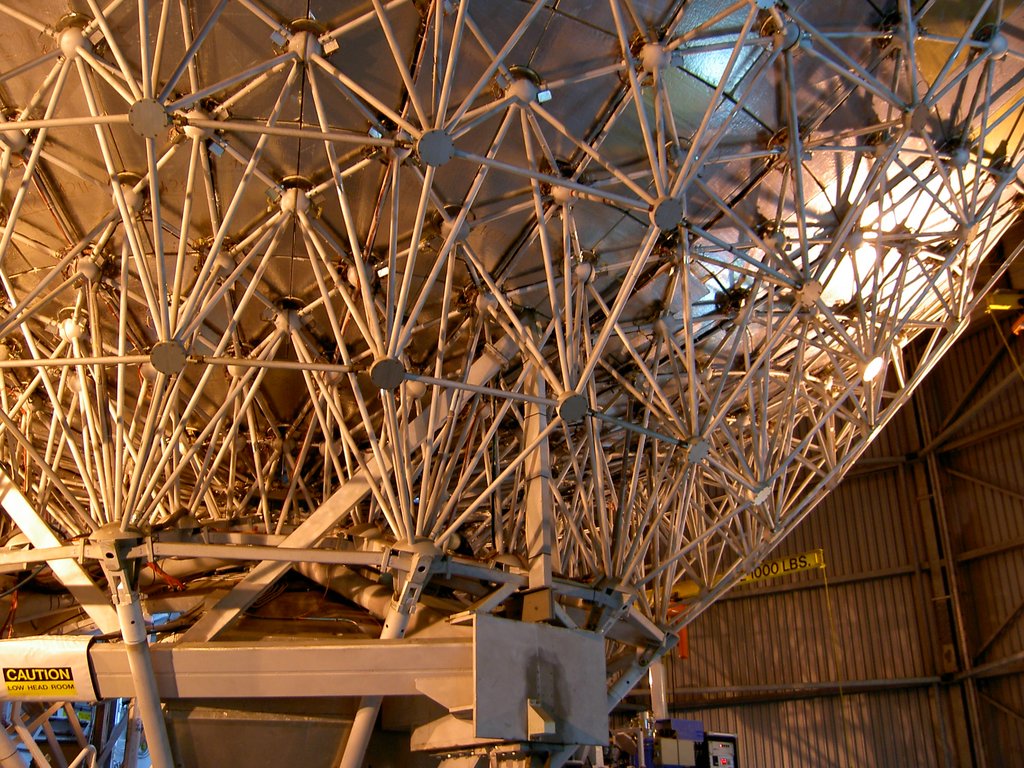
Water vapor and sulfur dioxide drive the chemistry that builds Venus's sulfuric acid clouds, and the paper says earlier observations of this layer were too sparse to tell a passing fluctuation from a lasting trend. Wei Tang of Imperial College London and colleagues set out to separate the two, measuring both gases almost daily at altitudes of about 80 to 110 kilometers, above the cloud deck.
The team reports that the average amount of water fell from 154 parts per billion in the first campaign to 65 and 89 ppb in the later two. Sulfur dioxide went the other way: undetectable in the first campaign, it averaged 23 ppb in the second and 46 ppb in the third. The preprint states that "long-term variability in H2O is identified here for the first time."
The authors read the two changes as linked. Sulfur dioxide rising from the cloud deck is oxidized, and the product reacts with water to form sulfuric acid vapor, so more of one leaves less of the other. Cloud-top measurements by a separate group, taken at nearly the same three periods, also found less sulfur dioxide in the first period, the team notes.
The telescope does not see ordinary water: it measures HDO, a heavy form of the molecule, which the team converted into a water amount using a published ratio of the two forms. The paper is a preprint; no journal version has appeared, and it is listed as accepted by Monthly Notices of the Royal Astronomical Society. Water was not the point of the project: its main target is phosphine, a gas the paper calls a potential sign of life, whose reported detection the team set out to check.
Sources
- arXivPreprint