BepiColombo Is in Orbit at Mercury, but Not the Orbit ESA Planned
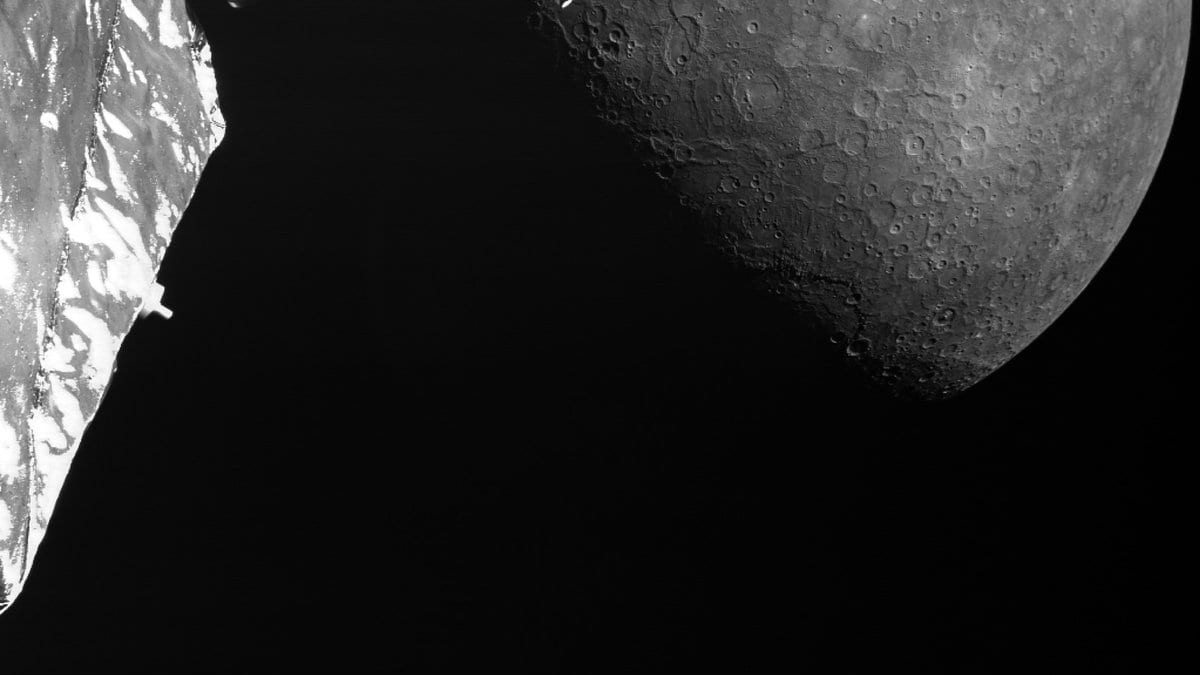
The European Space Agency says a software problem cut short the braking burn that put the BepiColombo spacecraft into orbit around Mercury on Nov. 21, 2026. When contact with Earth resumed, controllers found that the probe had put itself into safe mode, a protective state that stops all non-essential activity.
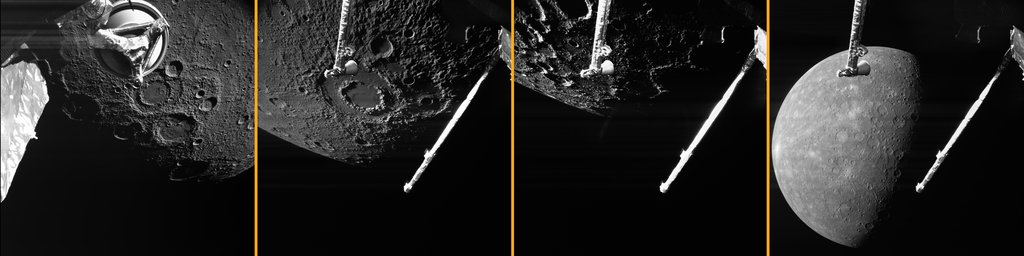
ESA said in an update published Nov. 23, 2026, that the spacecraft is in a stable orbit around Mercury — but one that takes 75 hours to go around, rather than the 58 hours planned. The remaining insertion sequence has already been adapted to the new path, with no extra burns needed.
The agency added that the change does not affect the planned Dec. 9, 2026, separation of the mission's two science orbiters, or the ability of ESA's Mercury Planetary Orbiter to reach its intended science orbit. The second orbiter, Mio, belongs to the Japan Aerospace Exploration Agency, ESA's partner on the mission.
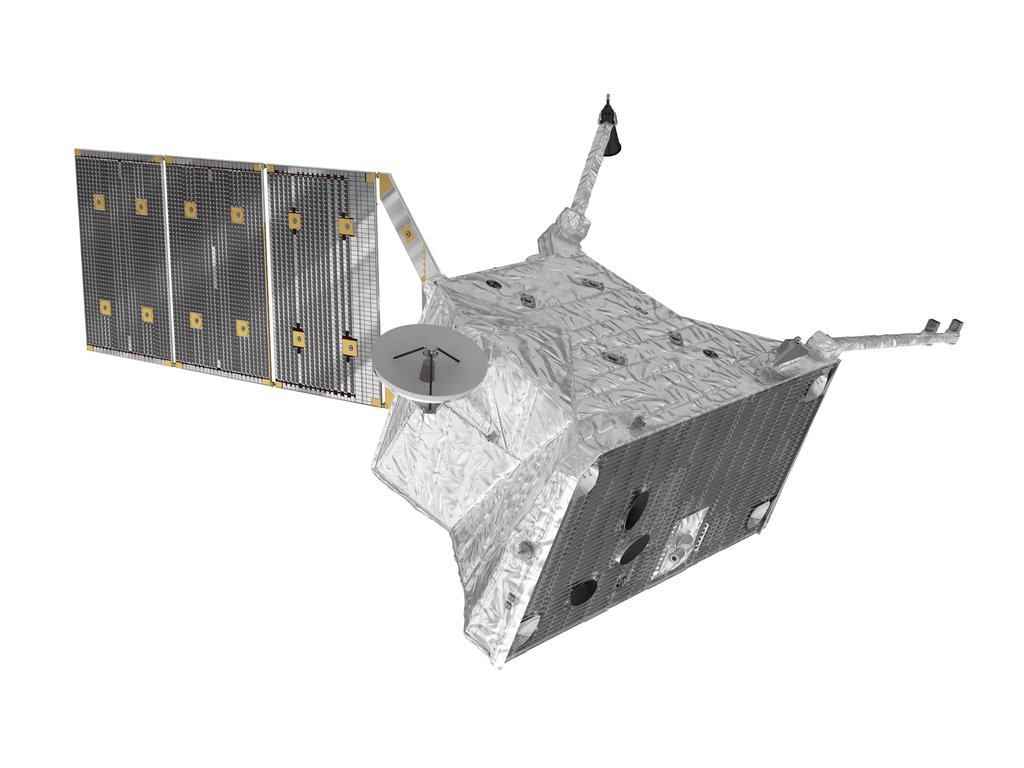
ESA's analysis of the spacecraft and trajectory data found that the burn ended early, delivering around 77% of the planned change in speed. Teams at its mission control center in Darmstadt, Germany, and at the lead spacecraft manufacturer Airbus have traced the anomaly to "a software issue involving attitude guidance and thruster control." The agency says the investigation is continuing.
Flight dynamics specialists worked through the night to establish which orbit the spacecraft had actually reached. "We confirm Mercury orbit capture!" announced Frank Budnik, ESA's BepiColombo flight dynamics manager.
Mercury orbit insertion is not a single burn. ESA says the sequence uses several shorter firings timed for the spacecraft's closest approach to the planet, because one long burn would carry it past that point and waste propellant. Each firing is designed from the orbit the previous one achieved.
ESA also calls the arrival a first: entering orbit around another planet using what it terms "weak stability capture," arriving at lower speeds than is typical for planetary missions. Science operations are due to begin in April 2027.