Scientists Find the Switches That Keep a Spare Blood Gene Shut Off
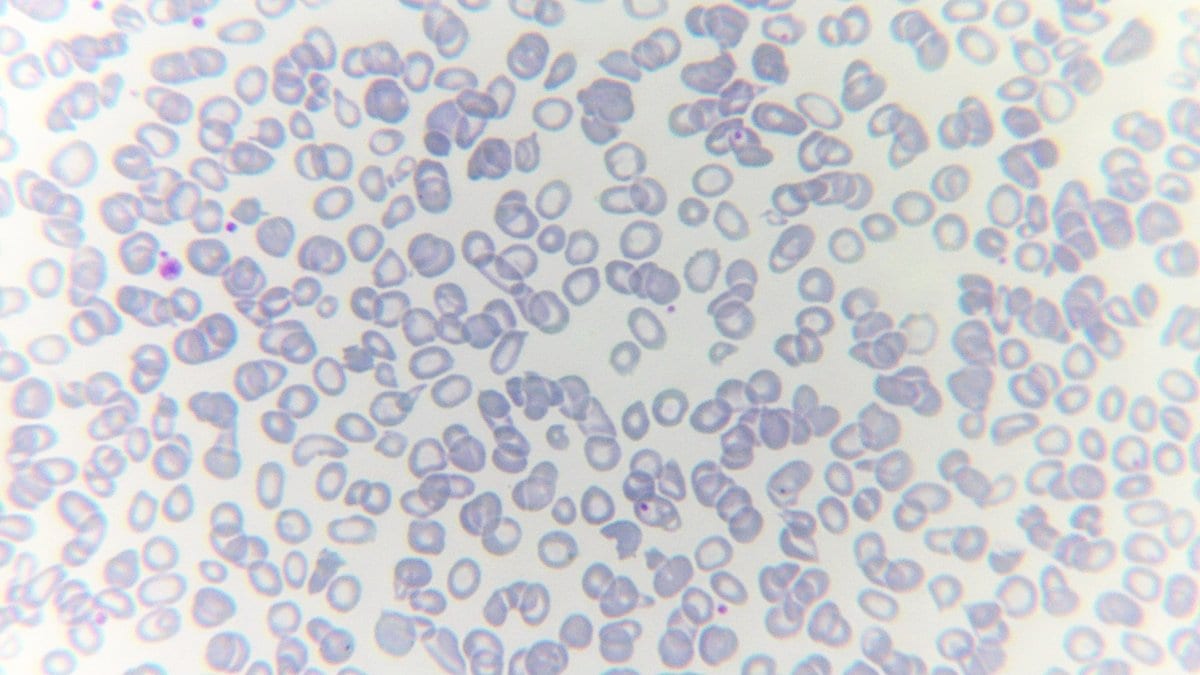
Siyu Liu, Douglas R. Higgs and colleagues at the University of Oxford have found the DNA switches that keep an embryonic blood gene shut off after early pregnancy, and report that disabling two of them turns the gene back on in mouse embryos and in blood cells grown from patients.
Zeta-globin is an embryonic stand-in for the adult alpha-globin genes that are missing or broken in alpha-thalassemia, an inherited anemia. Writing in Nature Genetics on Oct. 1, the group says the severe forms leave patients dependent on lifelong blood transfusions or on a stem-cell transplant that needs a matched donor. Zeta-globin normally shuts down 6 to 7 weeks into pregnancy and stays off for life.
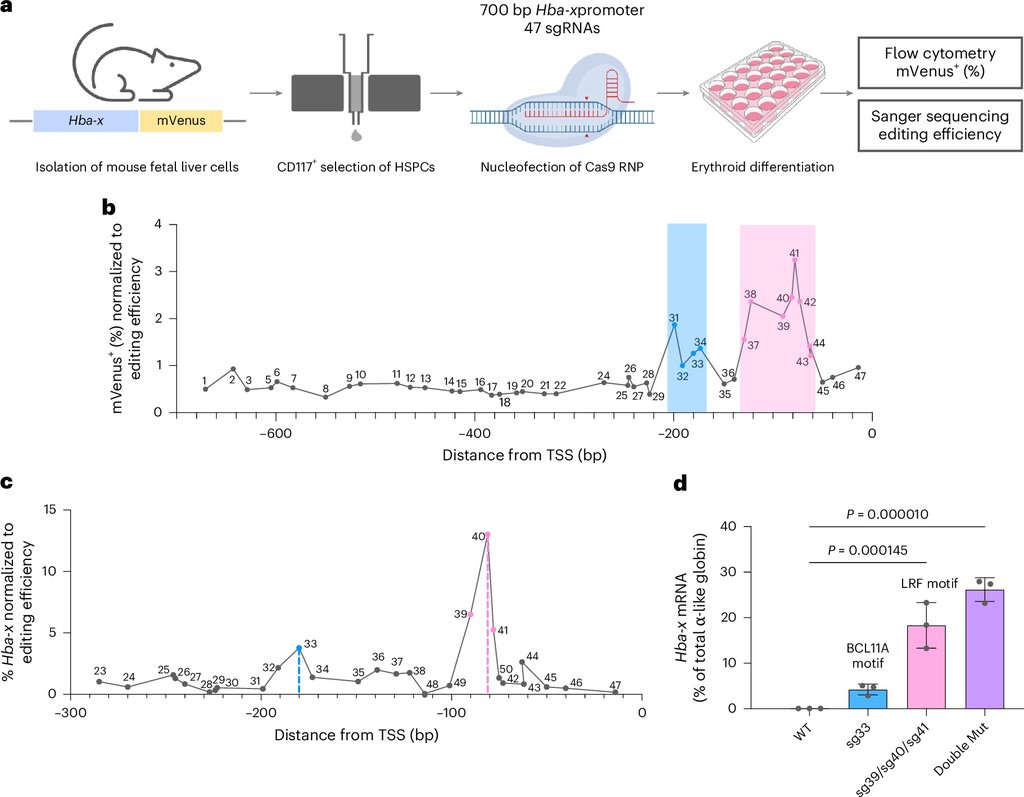
Using a genetically engineered mouse line, the researchers traced the silencing to a 4.4-kilobase stretch of DNA around the gene, a few thousand letters in all. Within it, they narrowed the effect to two short sites just in front of the gene, where two proteins that keep genes switched off, BCL11A and LRF, are predicted to bind. Disabling either site alone had a moderate effect; both together did considerably more.
In mice that carried both edits and the deletion most of these patients inherit, embryos reached embryonic day 17.5, late in development, with close to normal red blood cells. The same deletion on its own is lethal before birth. The team also edited blood cells grown from patients with hemoglobin H disease and from a 21-week fetus with the most severe form, Hb Bart's hydrops fetalis syndrome. In those cells, the share of working alpha-like globin rose from below 25% to about 50% once figures were adjusted for how many cells carried the edits. The authors describe 50% as benign rather than disease-causing. Nobody has been treated with the method.
The paper says the safety of such editing in human blood stem cells has yet to be established, including off-target effects and how long edited cells survive. Transplant experiments in animals are named as the next step. Four authors are listed as inventors on a pending UK patent application filed by Oxford University Innovation.
Sources
- Nature GeneticsPeer-reviewed

Medical Disclaimer: This content is provided for general informational and educational purposes only. It is not medical advice and should not be used as a substitute for professional medical advice, diagnosis, or treatment. Always consult a qualified healthcare professional regarding any medical condition, concern, symptom, or treatment decision.