Polluted Lakes Hold on to Less of Their Buried Carbon
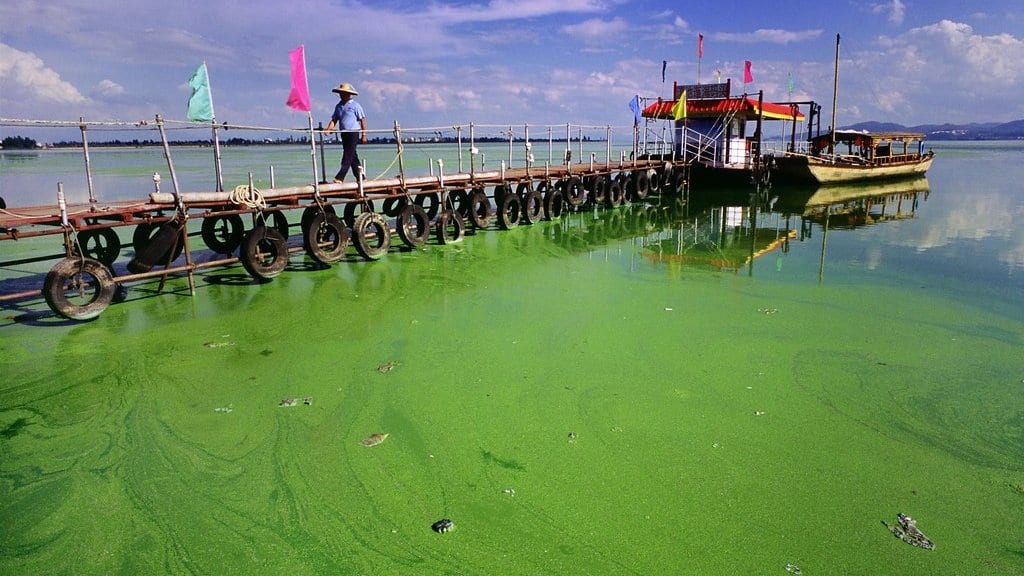
Nutrient pollution leaves more of the carbon buried in lake beds unprotected and easier to break down, according to a study published Oct. 2 in Communications Earth & Environment.
Lake sediments hold carbon for the long term partly because reactive iron oxides bind organic matter and shield it from the microbes that would otherwise consume it. Carbon that stays in the mud is carbon that is not in the air, and the authors say their findings mean the contribution lakes make to the global carbon budget needs to be reassessed.
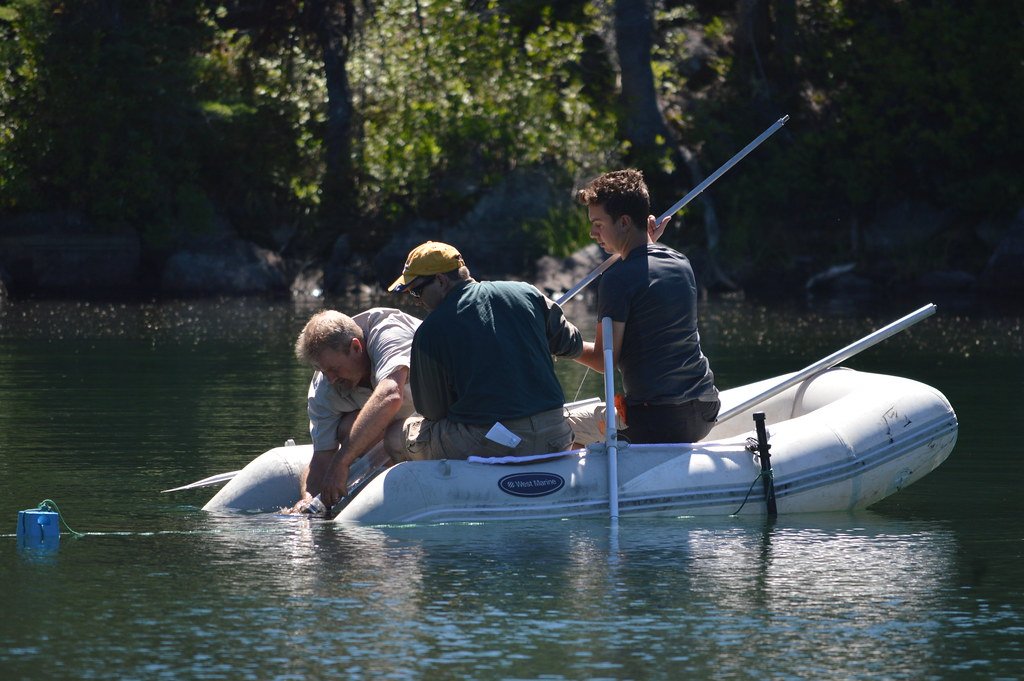
Youzi Gong of the Nanjing Institute of Geography and Limnology, Shiming Ding of Southeast University and their colleagues combined a global assessment of lake sediments with field observations and incubation experiments. Iron-bound carbon accounts for 16% of the total organic carbon in lake sediments and is buried at about 14 million metric tons of carbon a year in lakes worldwide. This is equivalent to about 27% of the iron-bound carbon sink in the ocean, from lakes covering only about 1.25% of the marine area.
Lakes prone to algal blooms, which are a sign of heavy nutrient loading, carry less iron-bound carbon than lakes where blooms are rare, and it makes up a smaller share of the carbon in their sediments. The team's field and laboratory work points to two causes acting together. Blooms drive repeated swings in oxygen at the sediment surface, and the organic matter algae supply is low in aromatic compounds, the molecules that resist decay. Both processes speed up the turnover of iron-bound carbon and leave less organic carbon attached to the iron minerals, with losses of up to about 68%.
Communications Earth & Environment is publishing the paper as the peer-reviewed accepted manuscript, carrying a permanent DOI, ahead of a final version of record. The study is open access, and the work was funded by the National Natural Science Foundation of China and by provincial and postdoctoral programs.
Sources
- Communications Earth & EnvironmentPeer-reviewed